

Note: This article includes several video clips that are essential to the story, so I strongly suggest that you read the web version, not the email version. Enjoy! — Paul
I really enjoy seeing how things are made, so it makes sense that I’ve always loved factory tours. Over the years, I’ve toured facilities that make candy bars, pretzels, potato chips, Tabasco sauce, ice cream cones, maple syrup, beer, whiskey, farm equipment, baseball bats, footballs, cigarettes, glass, musical instruments, Brannock Devices, Barbicide, New York City street signs, and probably a bunch of other things I can’t remember at the moment.
Those are all fairly mainstream products. But I recently toured a factory that makes something a bit more specialized — something I’d never even thought about until a few months ago: fabric flowers.
Fabric flowers, which are most often made from silk (although sometimes from cotton, wool, or other textiles), are used by dressmakers, milliners, film and theater costume designers, wedding planners, event planners, visual merchandisers, and pretty much anyone else who needs durable, lifelike flowers that won’t wilt and die. Hundreds of American companies used to make them, primarily in New York City, but the industry is now based largely in Asia. One U.S. manufacturer remains, however: M&S Schmalberg, which has been operating in New York since 1916 and is still headquartered in what remains of Manhattan’s garment district.

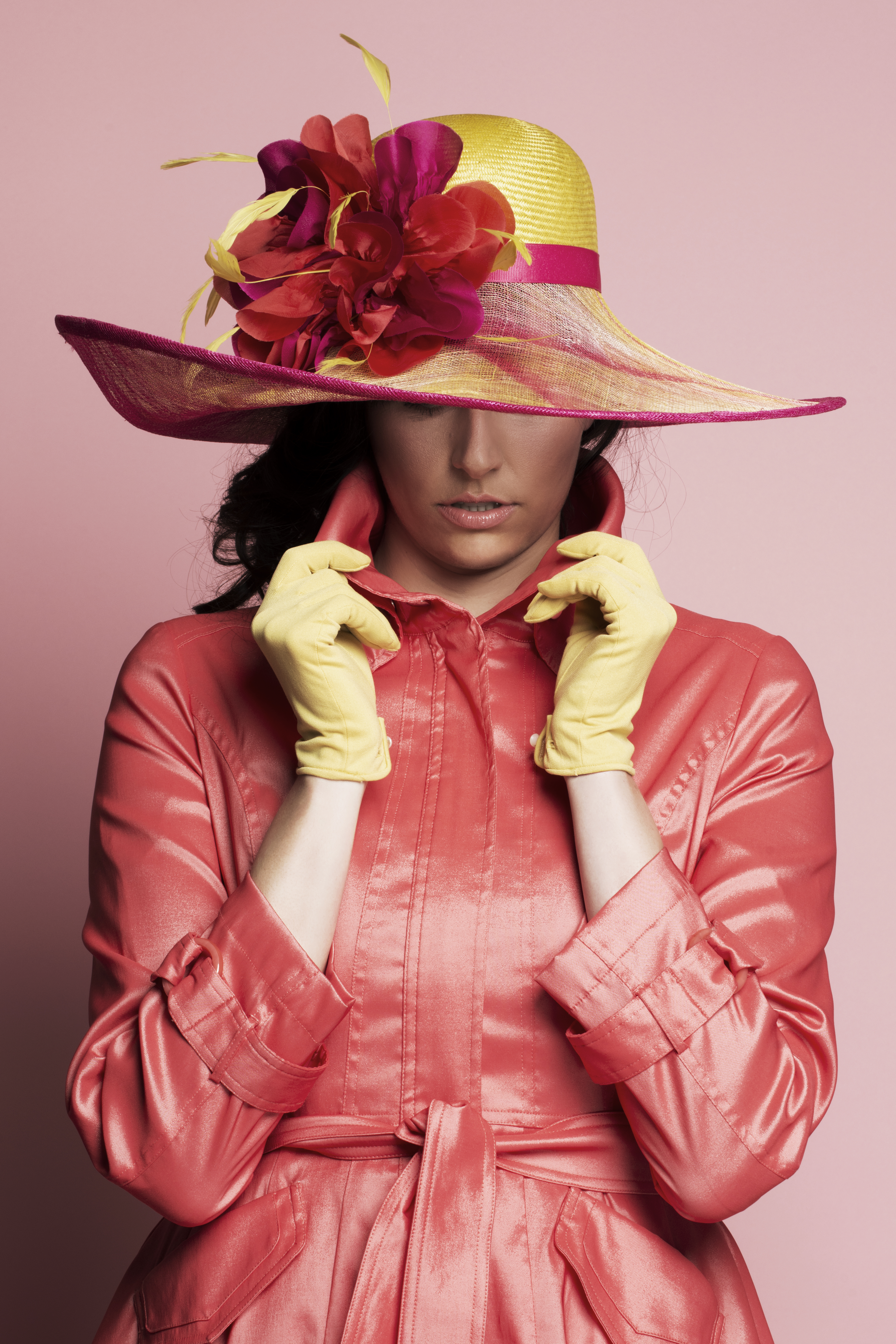
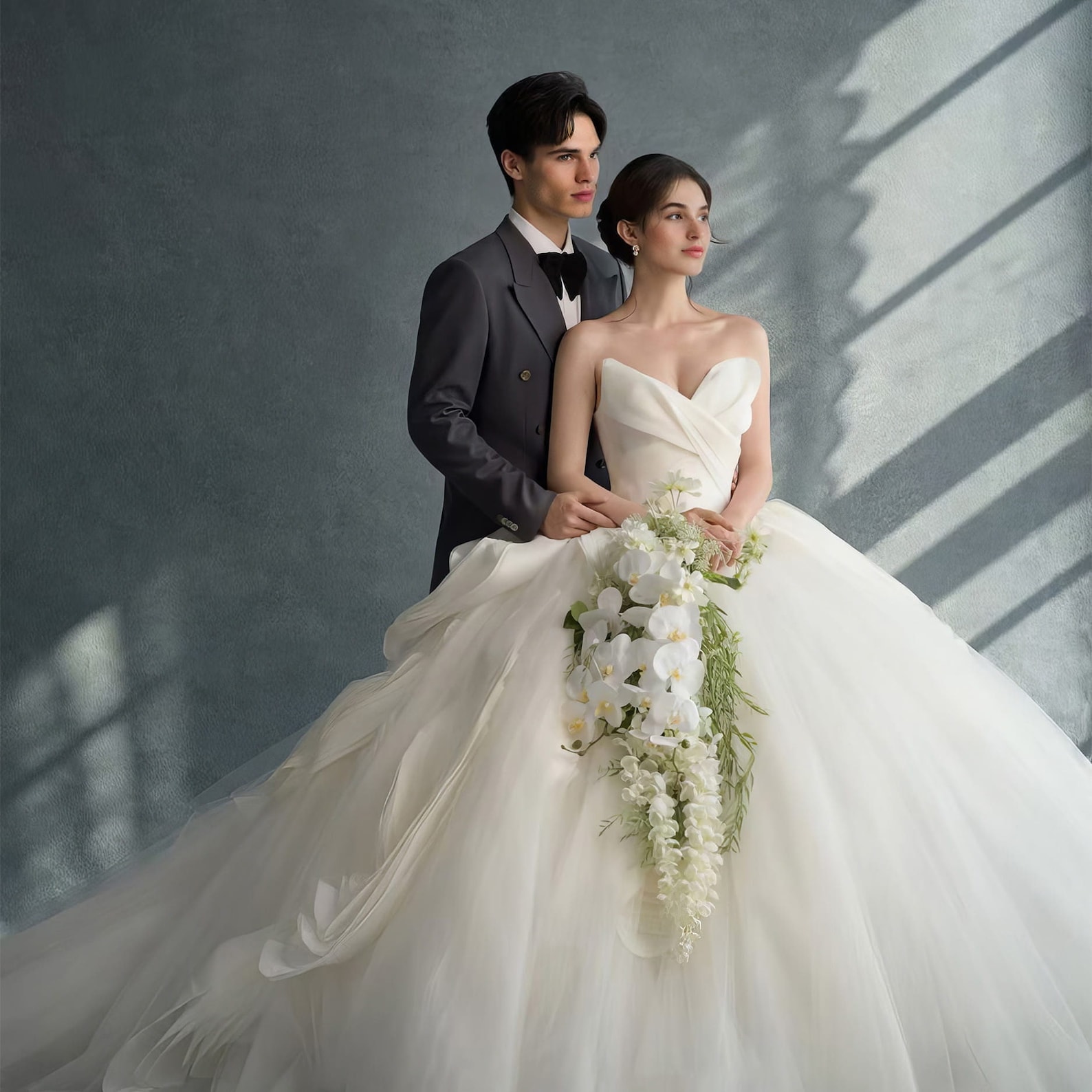
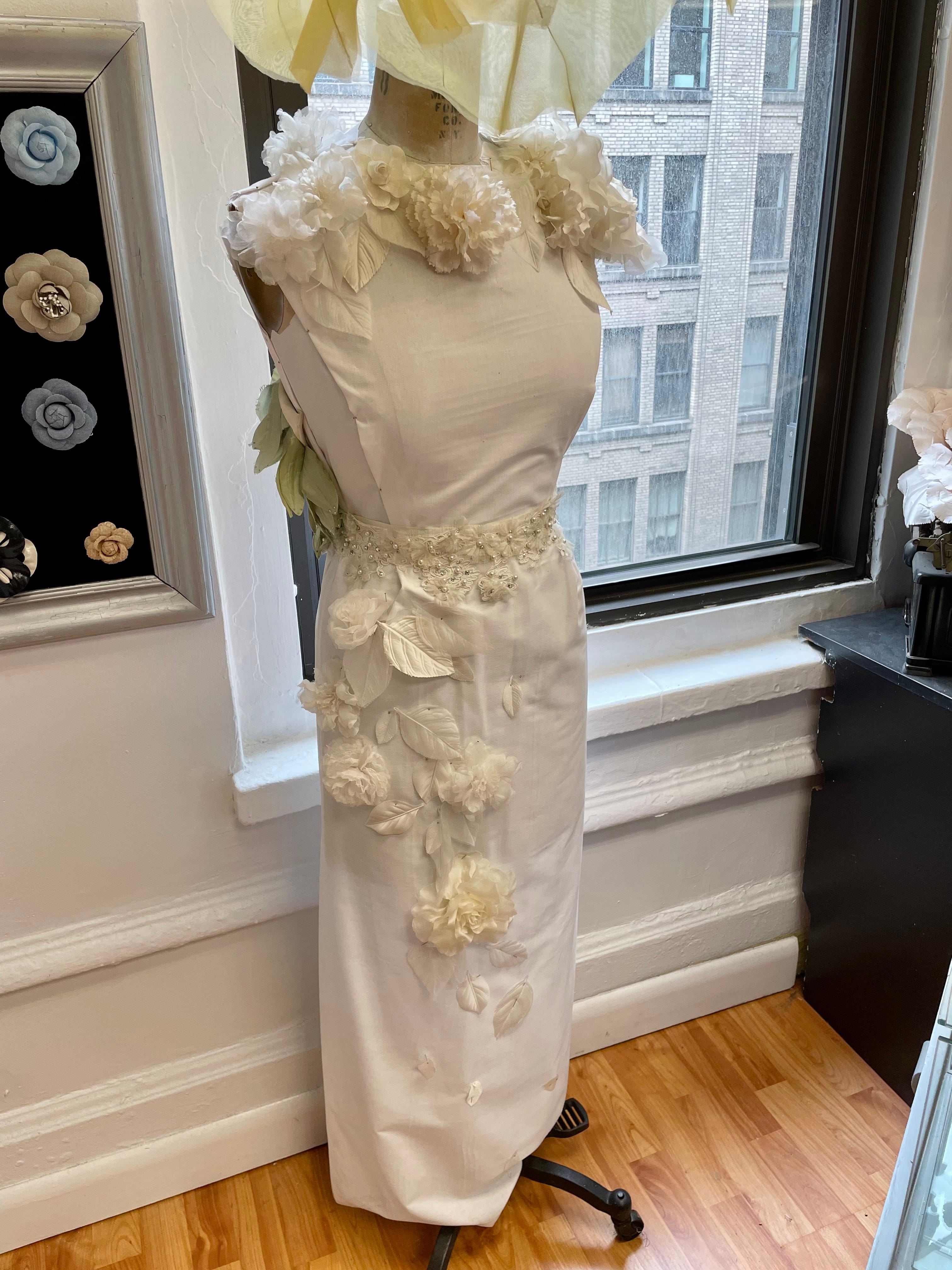
I became aware of M&S Schmalberg (and of fabric flowers in general) last October, when I saw that they were offering a factory tour. I wasn’t able to attend that one, but I jumped at the chance when they offered another one last month. And in a lucky break, there was only one other person in my tour “group,” so the two of us had a very personal tour experience with company co-owner Adam Brand, whose great-great-uncle founded M&S over a century ago.
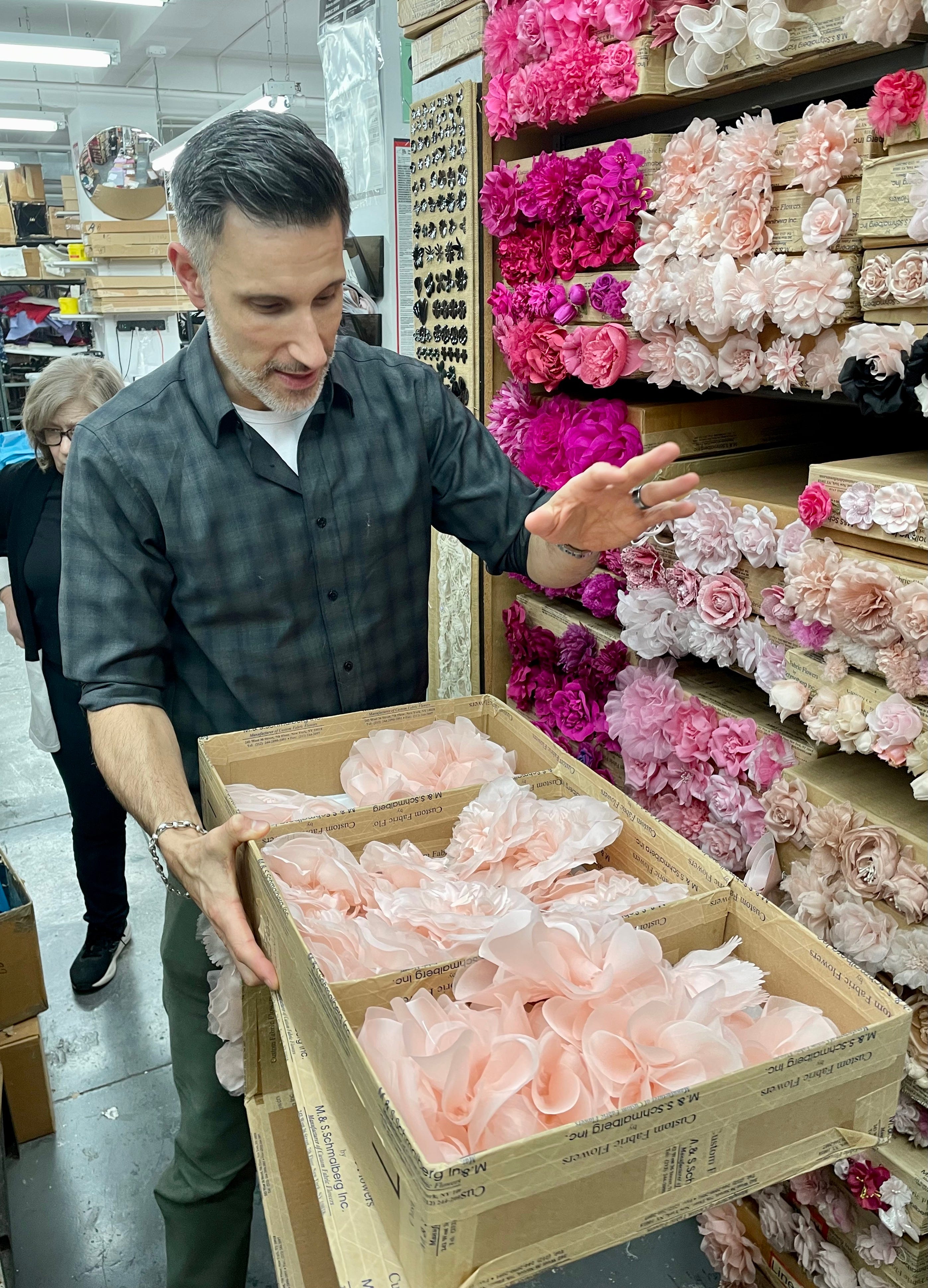
Brand spent a good 40 minutes or so just sitting down with us in the company’s reception area, giving us the M&S backstory, answering our many questions, and getting to know us a bit. Then he brought us into the inventory area, which was filled with stacks of boxes, each containing various flowers that had already been made.


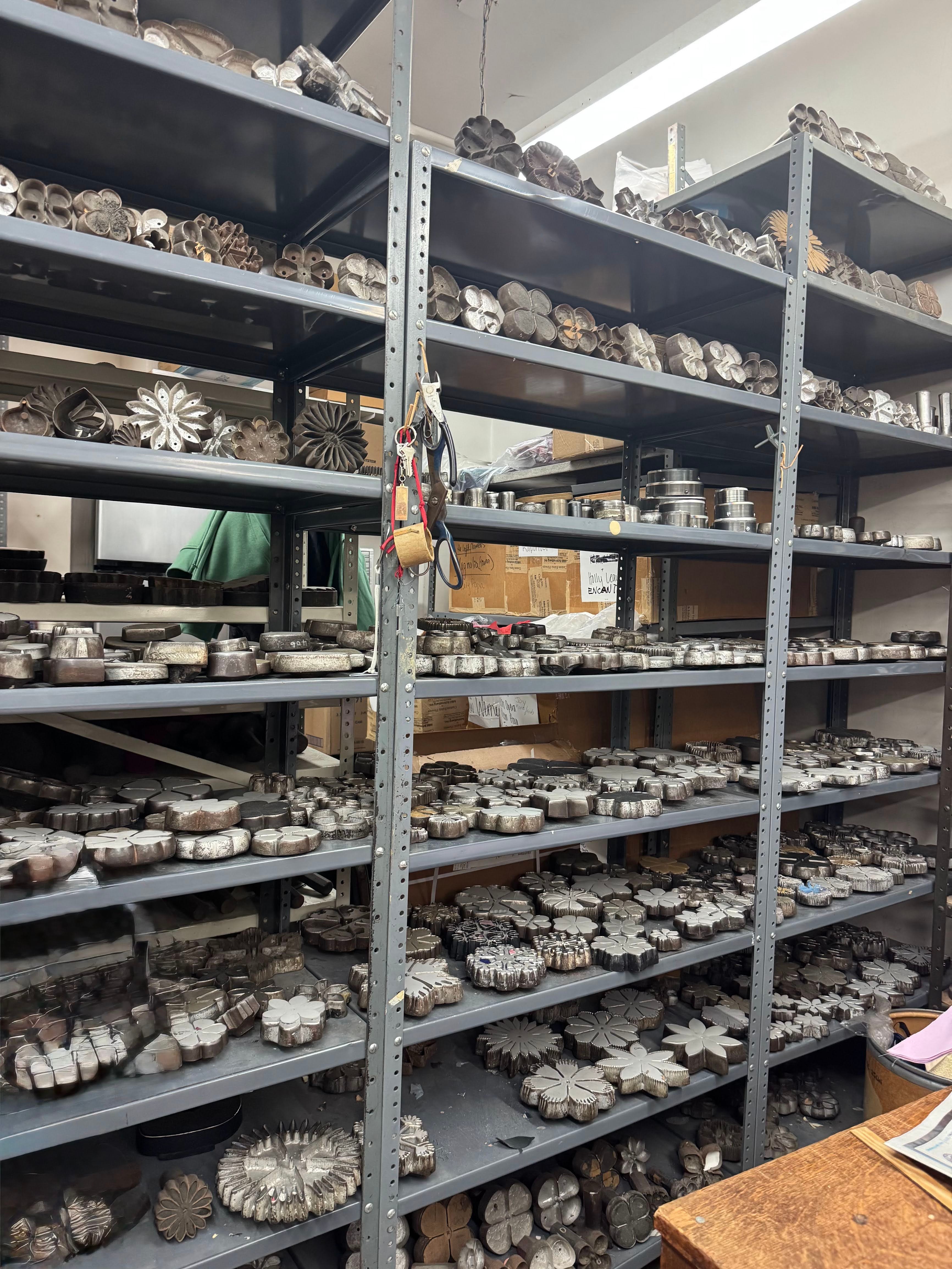
Then it was time to visit the production area, where we saw shelf after shelf of flower-shaped metal tools. First there were stamping dies, which are used to make floral cutouts in the desired fabric, sort of like using cookie cutters on dough.


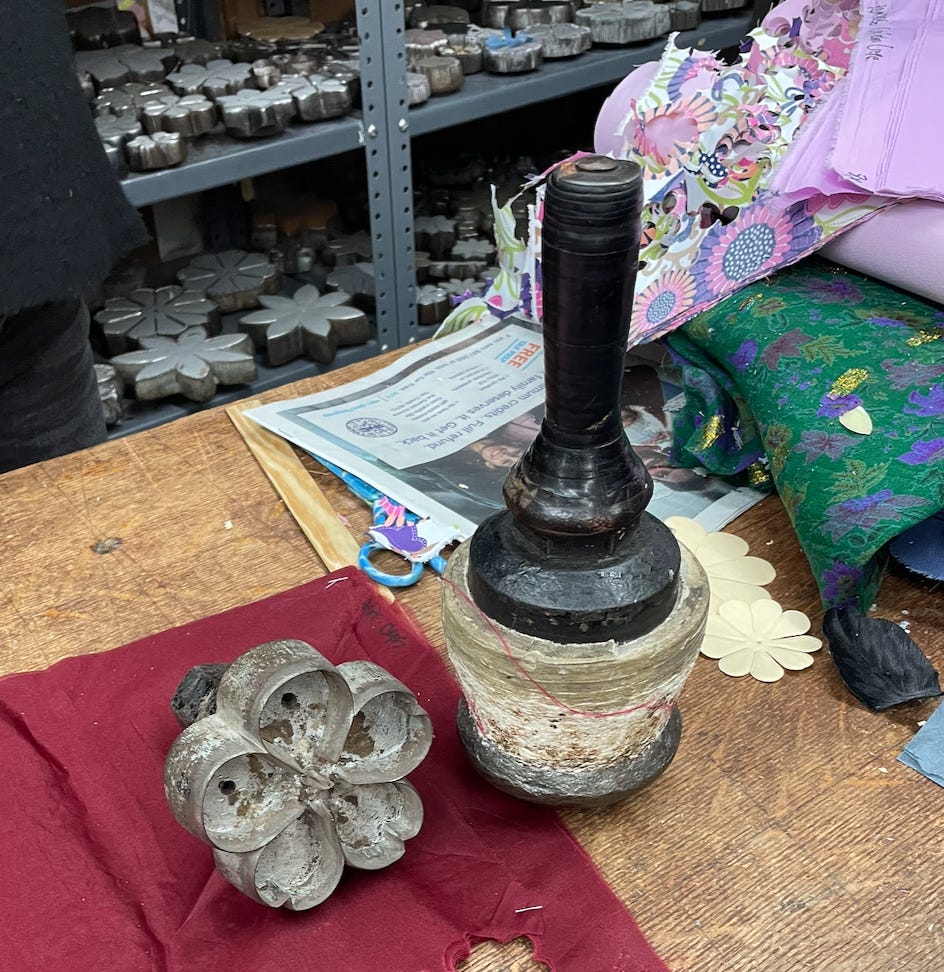
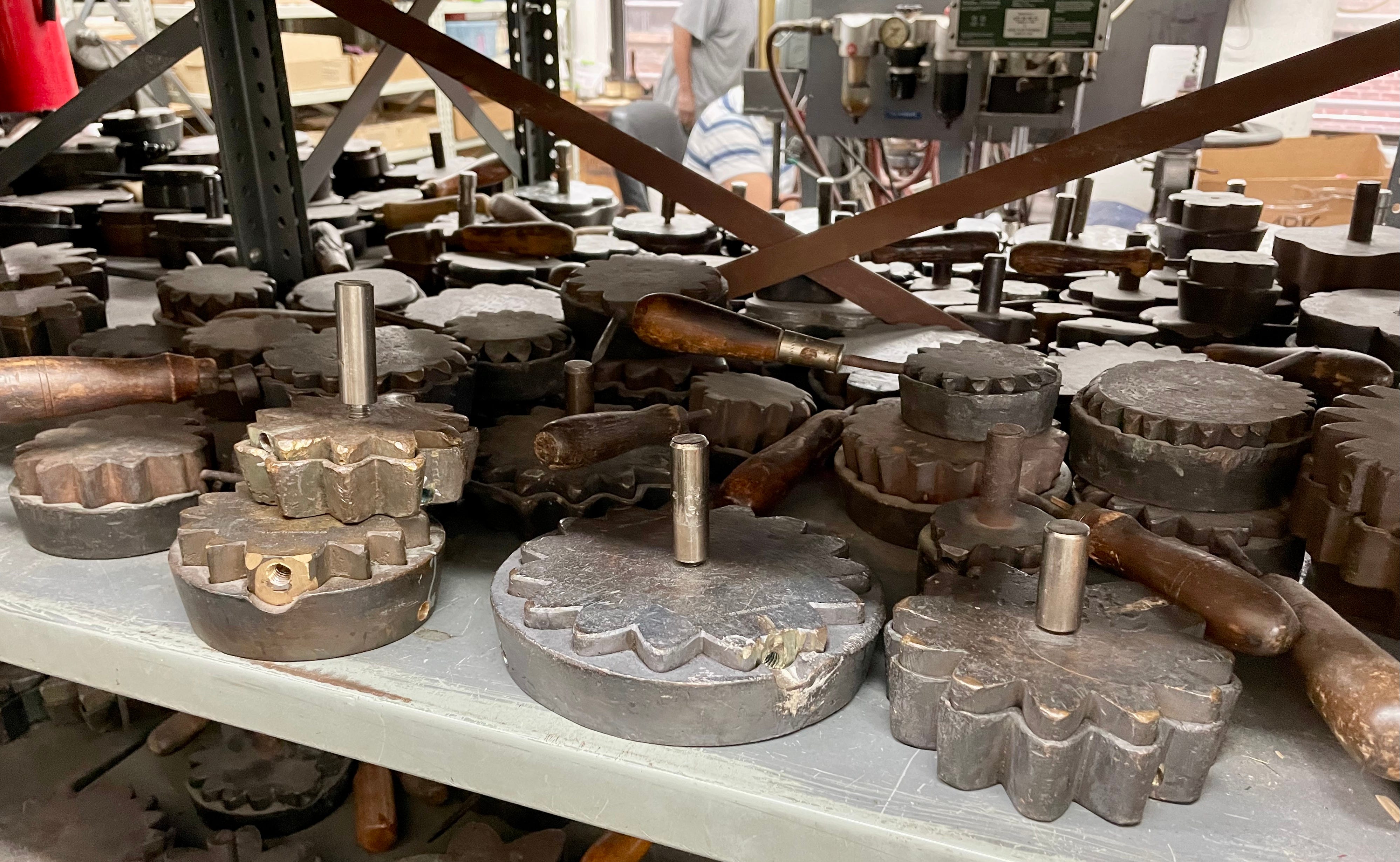
Back in the old days, Brand explained, a worker would have made the fabric cutouts by hitting the die with a large, primitive-looking hammer. The company still has several of these tools on hand, although they aren’t used much anymore.
Nowadays, the die is positioned over the fabric and a machine applies the pressure for a stack of neatly punched cutouts. Brand showed us the process with two different dies and a machine that he said was from the 1960s:
The flat cutouts are then pressed in heated metal molds, which provide curvature and depth to the fabric. Brand showed us how the same cutouts could result in very different floral shapes depending on which mold they were pressed into (this video is more than two minutes long, but it’s worth it — trust me):
In that video, Brand mentions that they use the hand-operated molds only for demonstrations and small orders. Larger orders are handled by machine-driven molds, as seen in this much shorter video:
Skilled artisans — some of whom have worked for M&S for decades — then use glue and wire to layer the molded fabric into finished artificial flowers, as seen here:
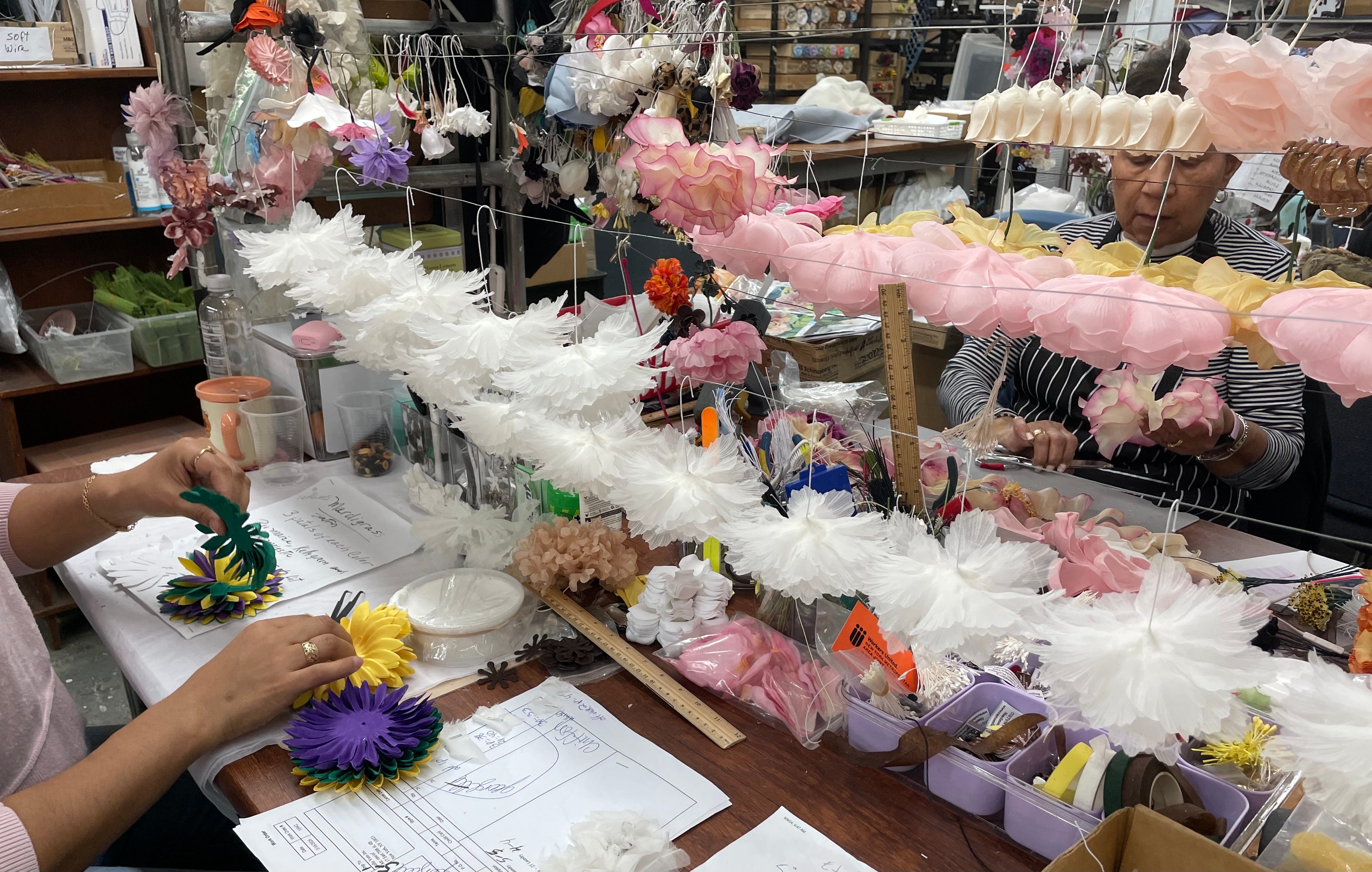
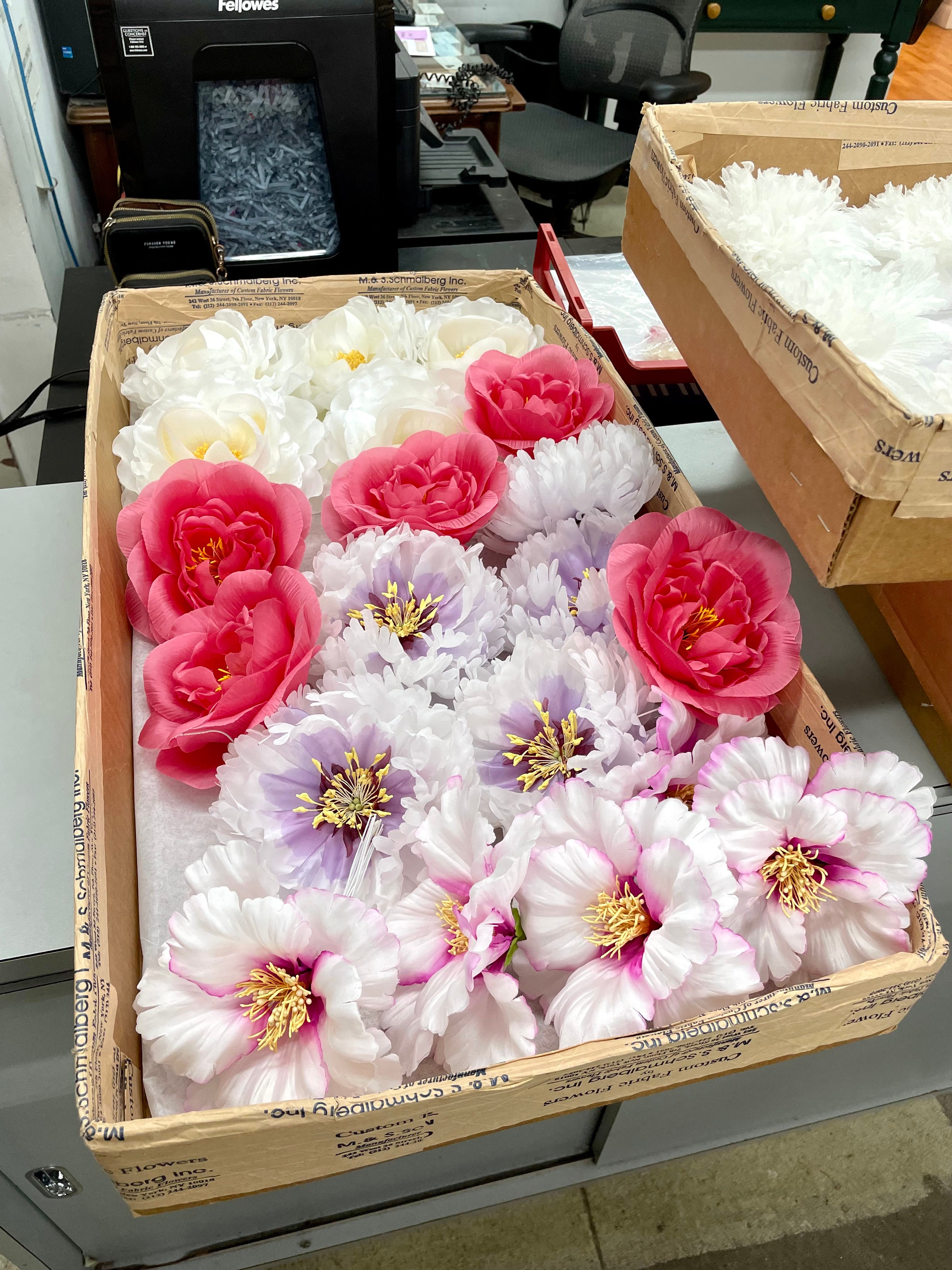
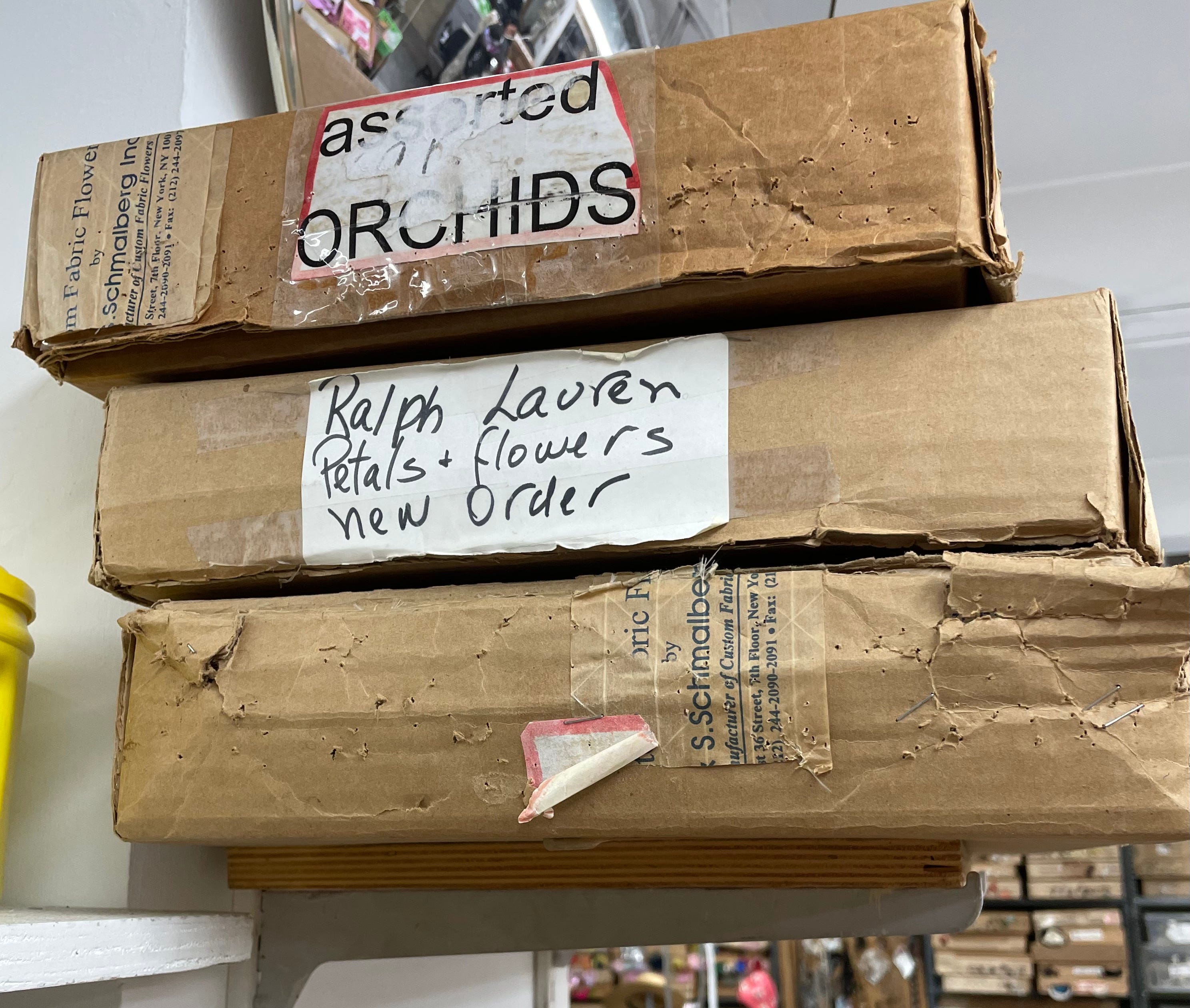
All of this takes place in a fairly humble-looking space on the seventh floor of a building on West 36th Street in Manhattan. It doesn’t have the feel of “big business,” but there are occasional reminders that M&S has some seriously big-name clients:
In the old days, M&S sold only to commercial clients. But they now do a brisk direct-to-consumer business on Etsy and Amazon. Brand said these sales now comprise 15% to 20% of the firm’s sales. (These orders are filled primarily with the premade flowers we saw in the inventory room, while commercial clients tend to have their flowers made to order.)
This was one of the best factory tours I’ve ever experienced. Scheduled for one hour, it ended up lasting twice that long (and I’m pretty sure Brand would have let us stay longer if we’d asked). If you want to take the tour yourself, there’s one being offered on April 16th, and I can’t recommend it highly enough. Meanwhile, you can learn more about M&S Schmalberg on their website.
(Special thanks to fellow tour attendee Rebecca Fleming for letting me use one of her photos in this article, and to Adam Brand for being such a gracious host.)

Inconspicuous News Roundup
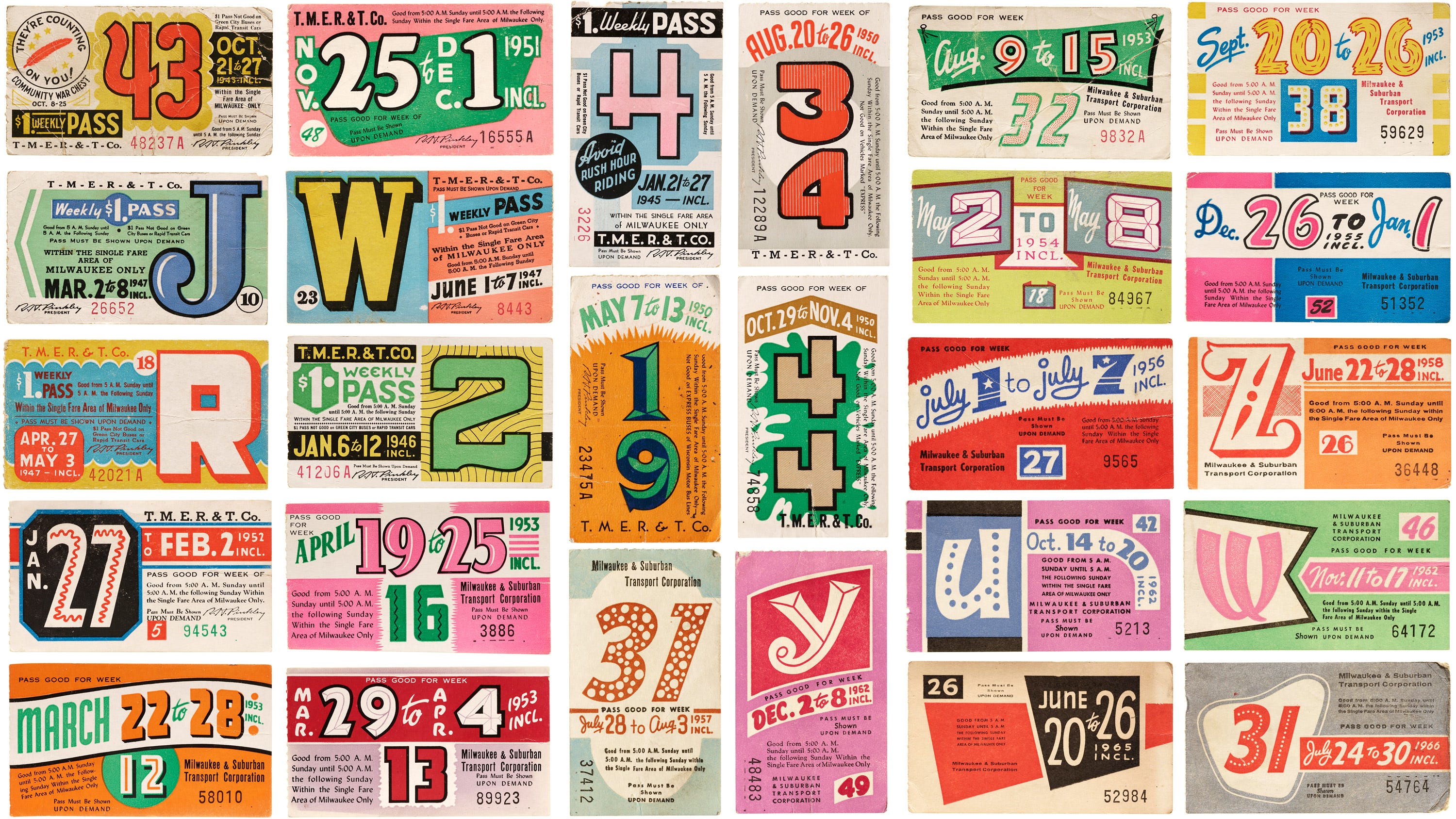
Holy shmoly, look at that amazing collection of old Milwaukee transit passes! Additional info here. (From Beth Mathews)
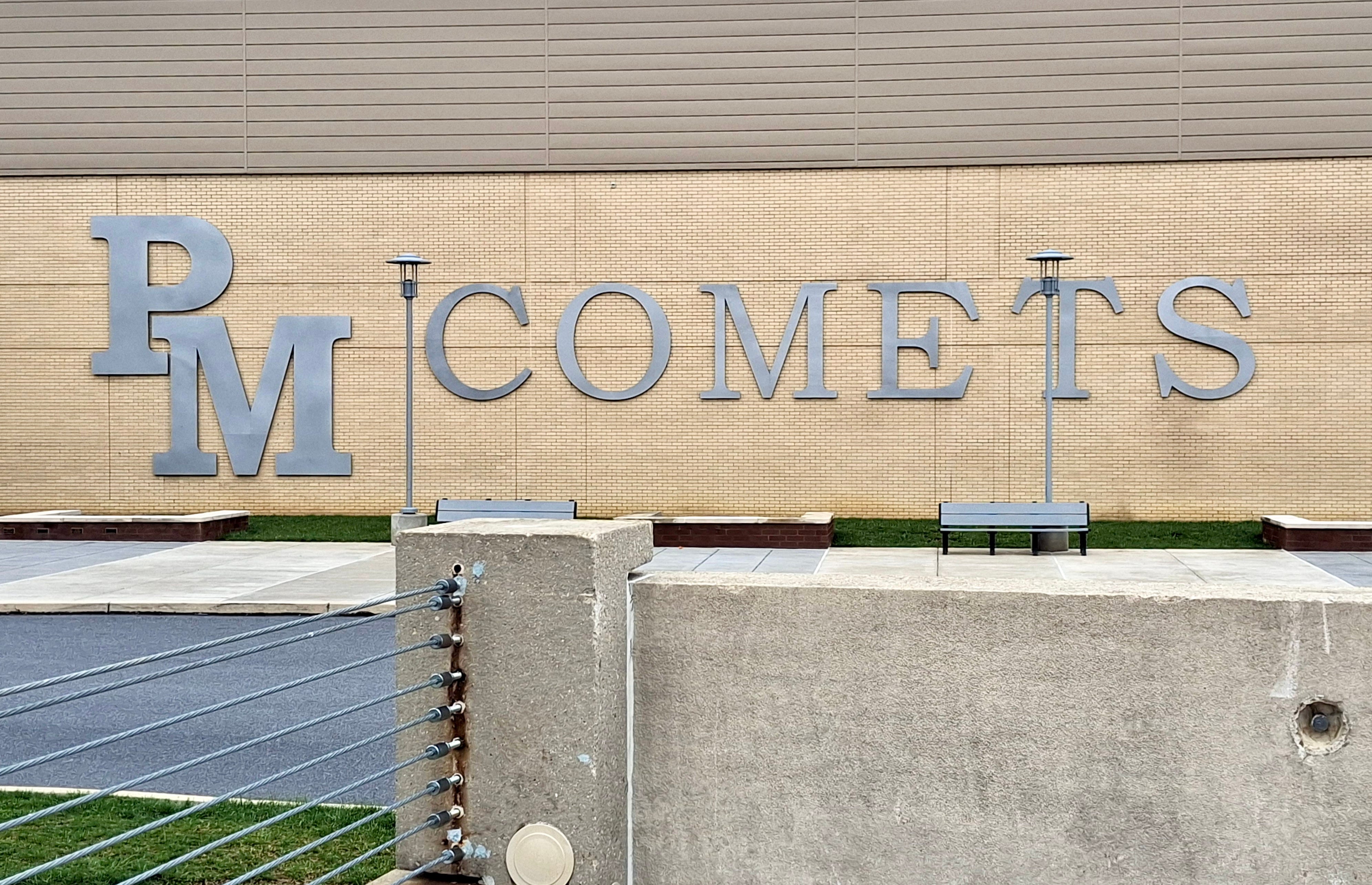
Our recent look at upside-down letters at Unity Temple and elsewhere prompted a note from IC reader Streeter Stuart, who teaches history at Penn Manor High School in Millersville, Pennsylvania. The school’s sports teams are called the Comets, so the gymnasium has “COMETS” spelled out on one of the exterior walls — including, unfortunately, an upside-down “E”:
Nice article about an Indiana neon sign shop.
Let’s say your job is to write definitions for a dictionary. How do you define orange, or green, or any other color? That question is at the heart of a new book that’s the subject of this very entertaining review.
Paul Lukas has been obsessing over the inconspicuous for most of his life, and has been writing about those obsessions for more than 30 years. You can contact him here.
Wow, what a fascinating tour! Thanks for showing us that. I'd love to take that tour.
I love that there are still people making things using skill and craftsmanship. Very cool.