

Note: This post is not paywalled. Enjoy! — Paul
As you all know, I’m a big fan of good design. But I recently learned of a project devoted to bad design, and I can’t get enough of it.
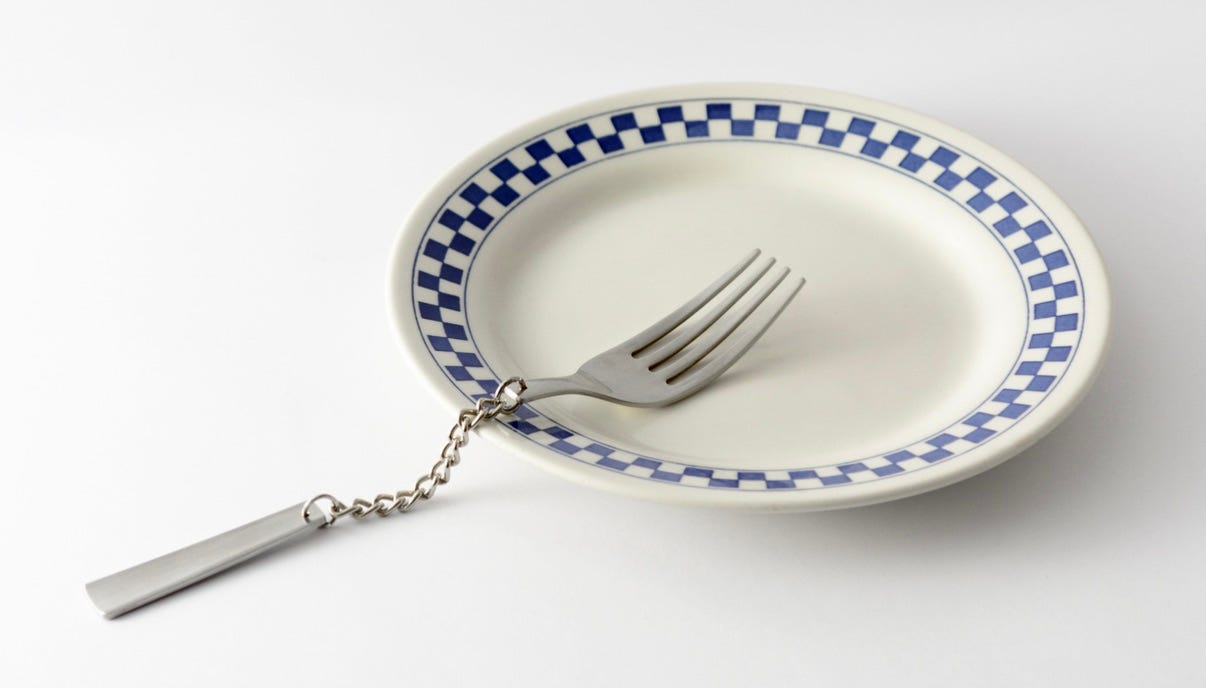
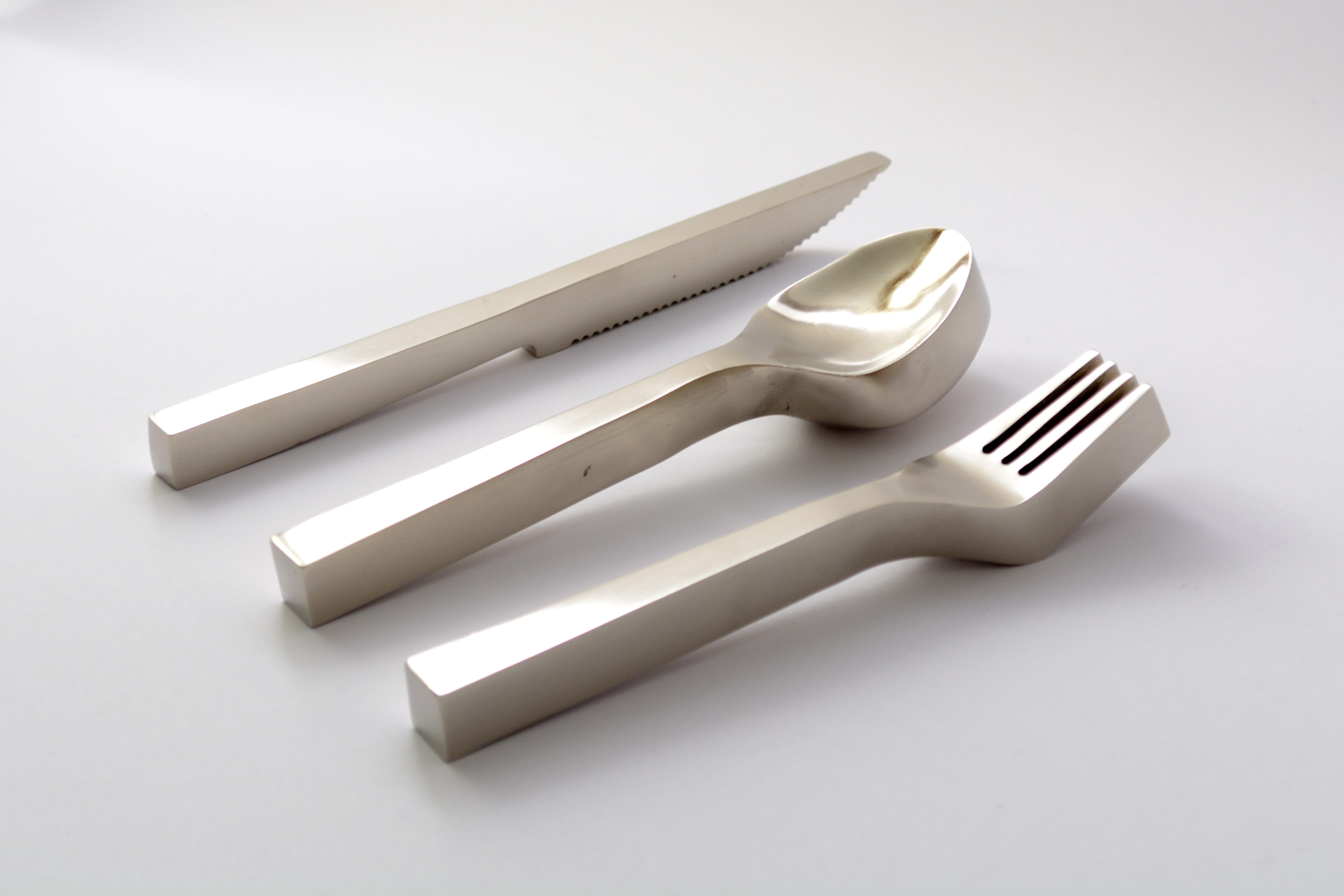
Welcome to The Uncomfortable, the brilliantly named brainchild of a Greek architect named Katerina Kamprani, who specializes in designing “deliberately inconvenient everyday objects.” My favorite is a fork with a chain handle (shown above), but almost all of her creations are clever, funny, and thought-provoking. Sometimes you have to see examples of bad design to make you appreciate how much we take for granted about good design.
Although I didn’t learn about The Uncomfortable until about a month ago (a reference to it showed up in my Facebook feed, a rare instance of the algorithm enhancing my life), Kamprani began the project back in 2011 and has gotten a fair amount of attention for it in Europe, where she’s had over a dozen museum and gallery exhibitions. The impetus for this success, oddly enough, was a series of failures: Prior to launching The Uncomfortable, Kamprani had dropped out of a master’s program and been fired from a job at an ad agency. She wanted to do something that involved humor but was finding architecture, which she’d studied as an undergrad, to be too stuffy and serious.
“Then I thought, what if objects were actually designed for a bad user experience, instead of a good one?” she recalled in a 2018 TED talk. “That was my ‘eureka’ moment. I finally found something smart and funny that has no responsibility to be practical. That was the core idea: to not be practical.” As she later said in a video interview with the website Culture Trip, “Basically, the project is a rebellious act. Whatever I learned in design school, I went and did exactly the opposite.”
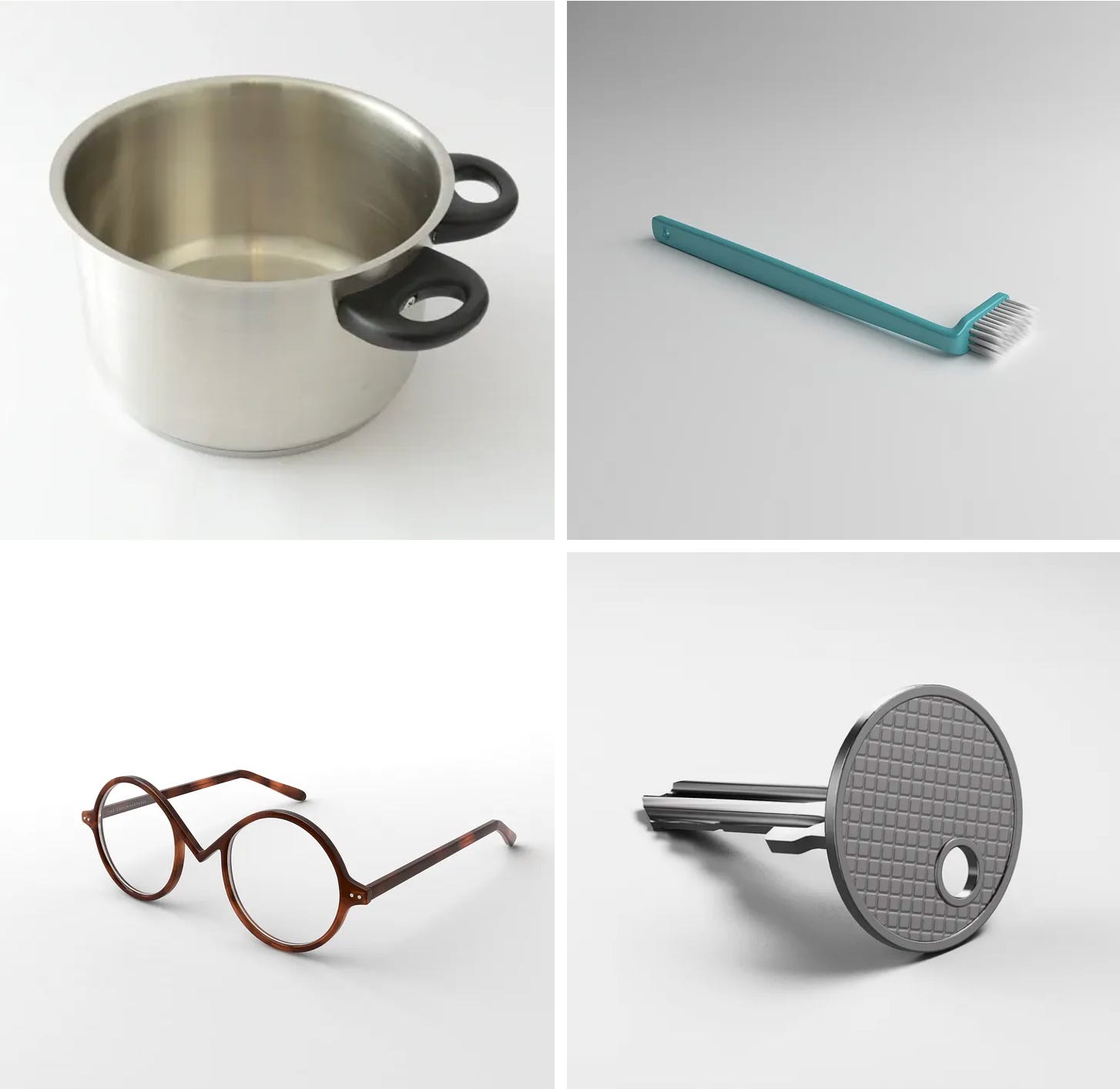
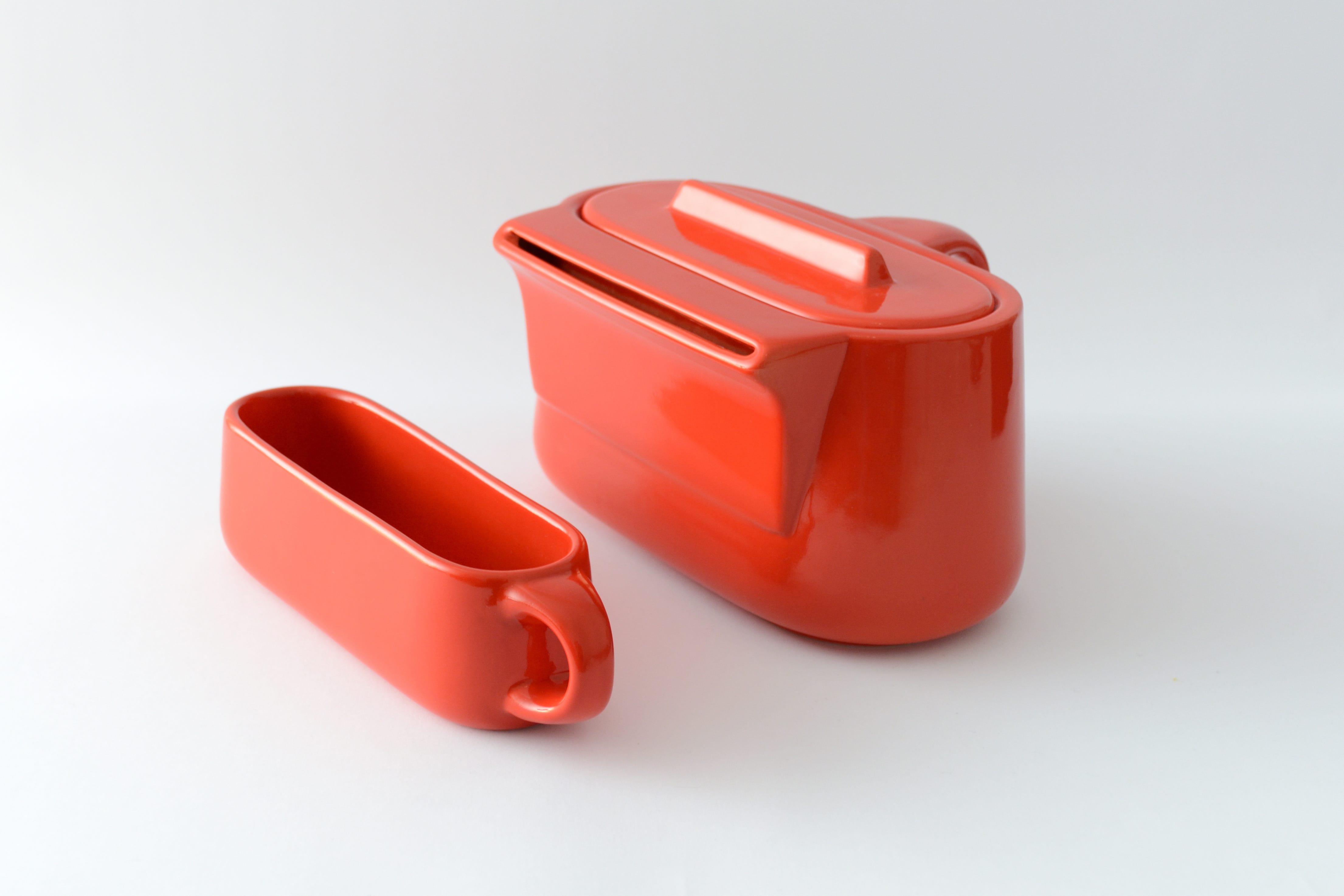
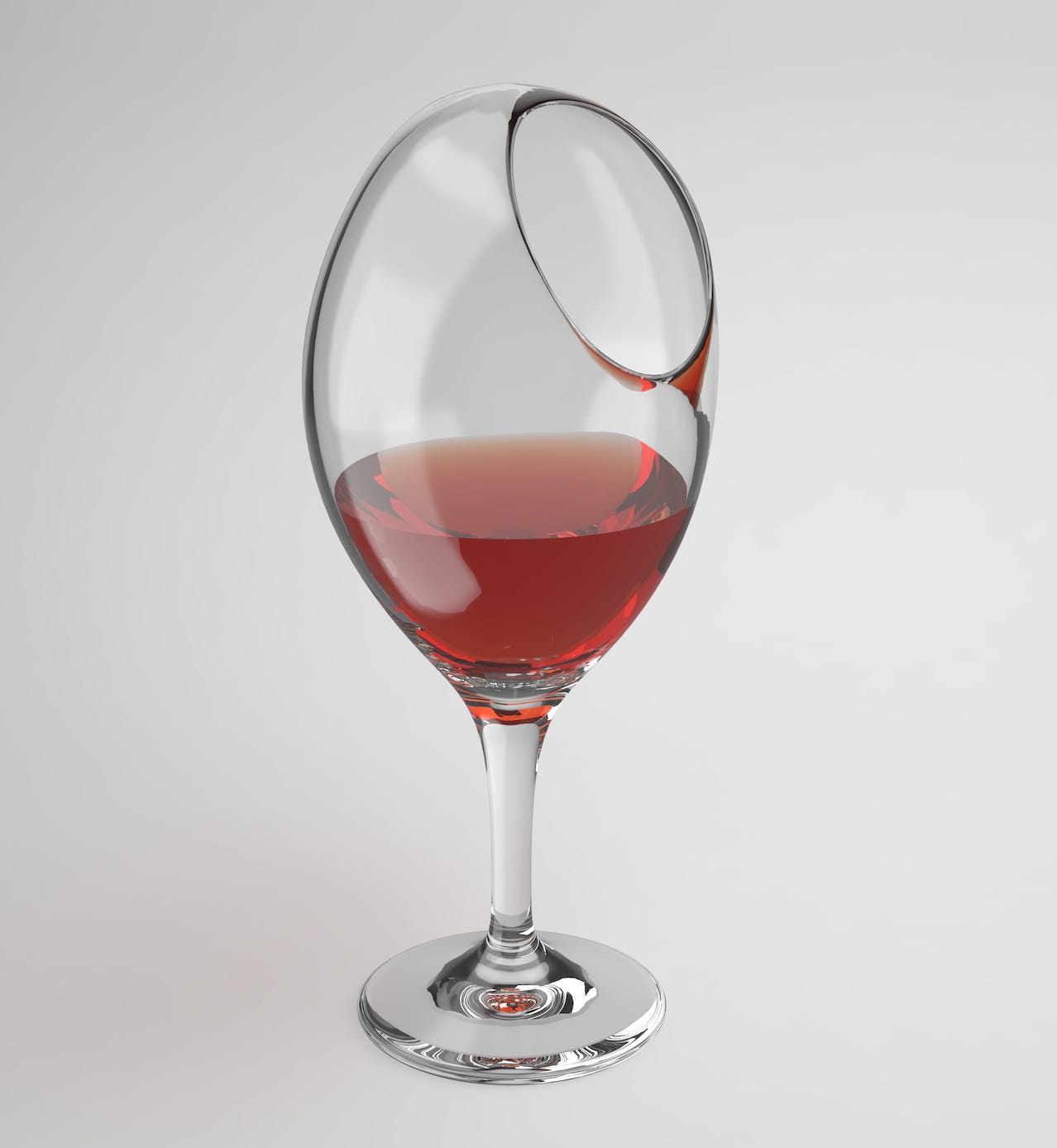
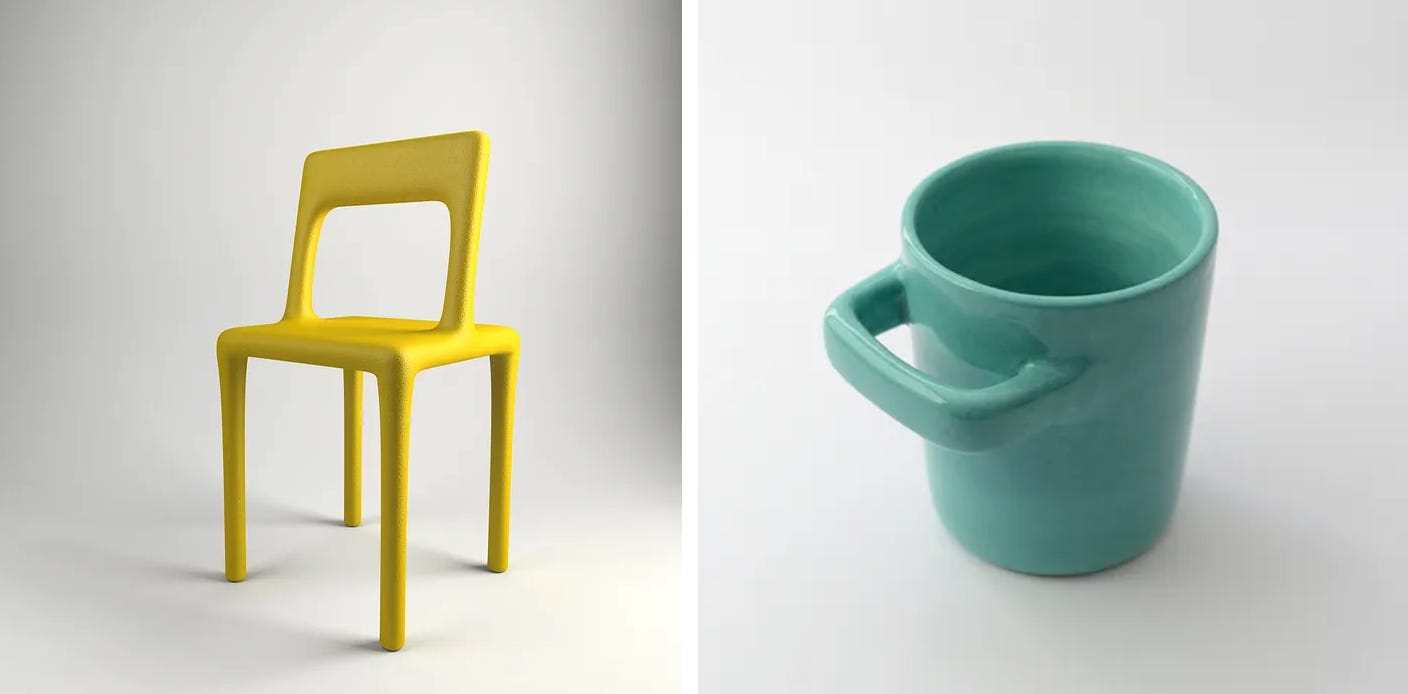
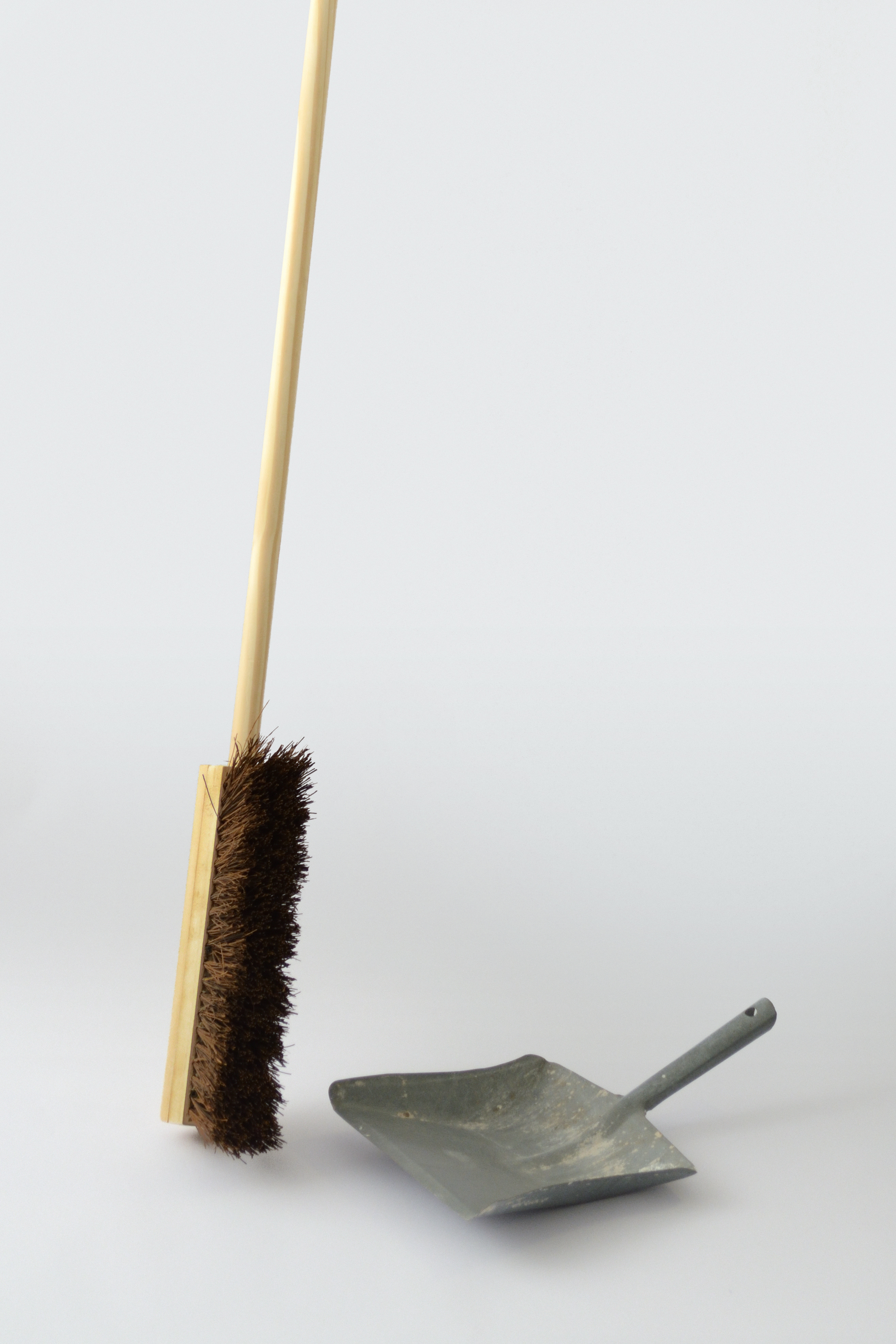
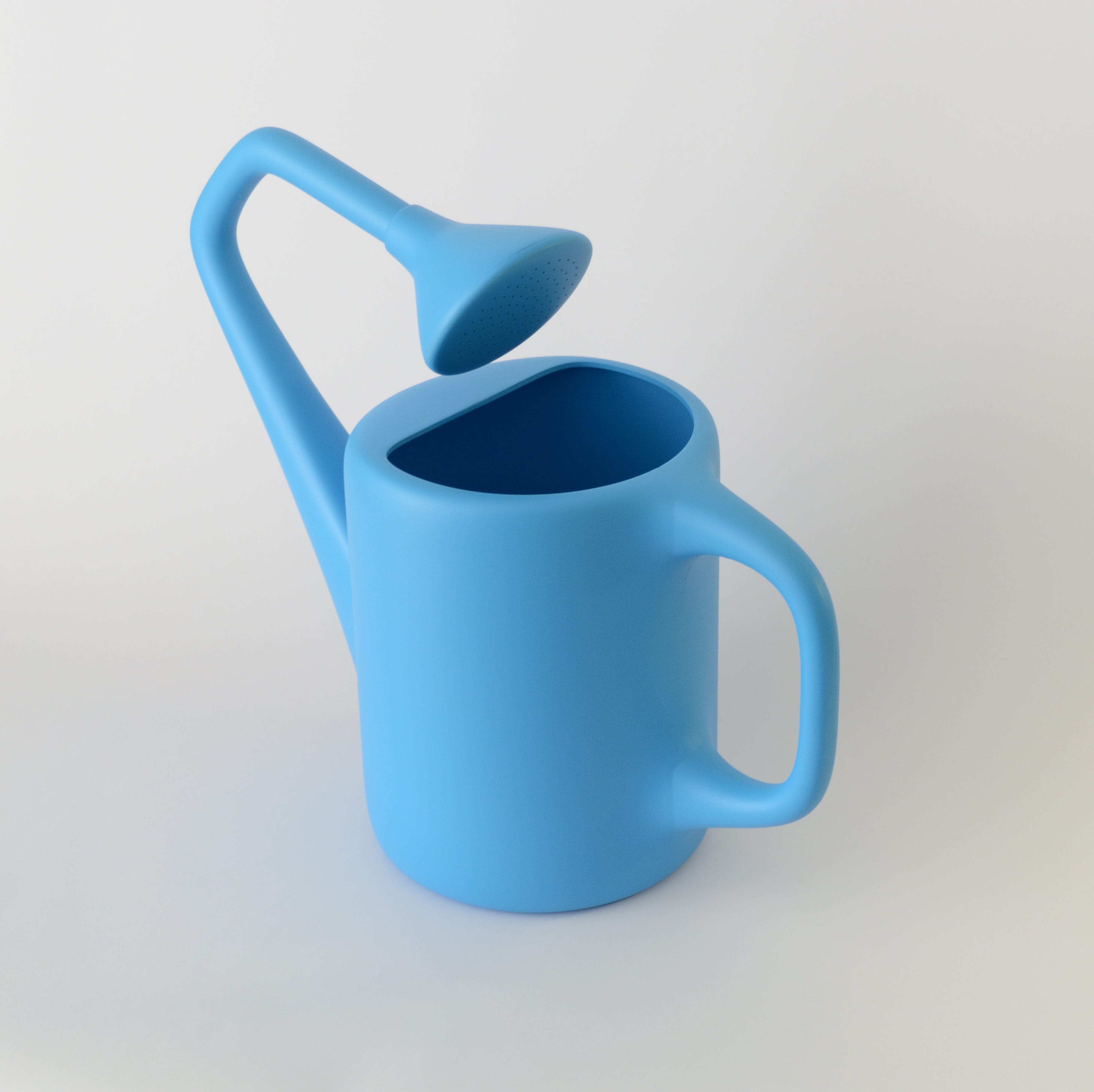
The Uncomfortable has its own website, where you can see dozens of the farcically impractical objects Kamprani has designed. Some exist only as 3D renderings (most of them strikingly realistic), while others have been brought to life as real-world prototypes. Because they’re all based on familiar forms — a fork, a wine glass, a watering can — they feel oddly subversive, as if Kamprani had mischievously scrambled their DNA to create a world of mutant products. Many of them, despite their functional deficits, are undeniably beautiful, providing a good reminder that aesthetics and utility don’t always align.
I wanted to interview Kamprani, but I figured she was probably tired of repeatedly talking about The Uncomfortable’s origins (having done a jillion interviews about Uni Watch over the years, I can relate), so I tried to come up with questions about how she and the project have evolved over the course of 15 years. Here’s a transcript of a video conversation we recently had, edited for length and clarity:
Inconspicuous Consumption: Do you still consider this to be an active project? Are you still creating inconvenient designs?
Katerina Kamprani: I mean, sparsely. I do still create these things — I created something like this the past new year — so yeah, it’s active, but not at the same pace as it once was.
IC: Are you surprised that the project is still going after so many years? Did you ever expect or plan for it to have such a long life?
Kamprani: I had no idea. As each success was happening, I was surprised by every step. Now I’m no longer surprised if I get an invitation for an exhibition or a request for an article or an interview. But when it was first getting started, I was like, oh, wow. I just started it for fun, so I didn’t expect for it to still be going on, to still have so much success.
IC: How many of these designs have you created so far?
Kamprani: Maybe 50 or 60. I’m not sure. I’m not counting, really.
IC: How many of those are digital renderings, and how many have resulted in real-world prototypes?
Kamprani: I would say it’s about half and half. For the first few years, I did only digital renders, and I was very hesitant about actually making objects. I thought the renders were nice, so why do we need objects that are useless? There was no point.
Then, in 2015, were the first physical products, which was very limited for three objects through collaboration with an ad agency. And then in 2017, I think, was my first exhibition, so I produced as many as I could with as much money as I had for that exhibition. Since then, I haven’t made many more.
IC: Are there any that have been produced in larger quantities than just the one single prototype?
Kamprani: Most of them are just one, but there are a few where I’ve done up to five pieces. Some mugs I did maybe two or three. The only bigger productions were for that first collaboration with the ad agency — they produced 20 of each object. It was the wine glass, the forks with a chain. And it was part of a mailing ad campaign, something like that. I don’t know what happened to the objects.
IC: What’s your typical creative process for these designs? Like, do you see an object like a fork or a glass and think to yourself, “Hmm, how would I make an uncomfortable version of that?”
Kamprani: Yeah, basically. When the project started, I would just pick an object and I would imagine what would be the different scenarios of it being uncomfortable. Brainstorming, mostly. And then I would just pick an idea that I liked best and I would do a 3D render. I usually dismissed the first, second, third ideas. Anything that was very obvious, I just wouldn’t do it. I would try and go deeper and deeper into just deconstructing the objects.
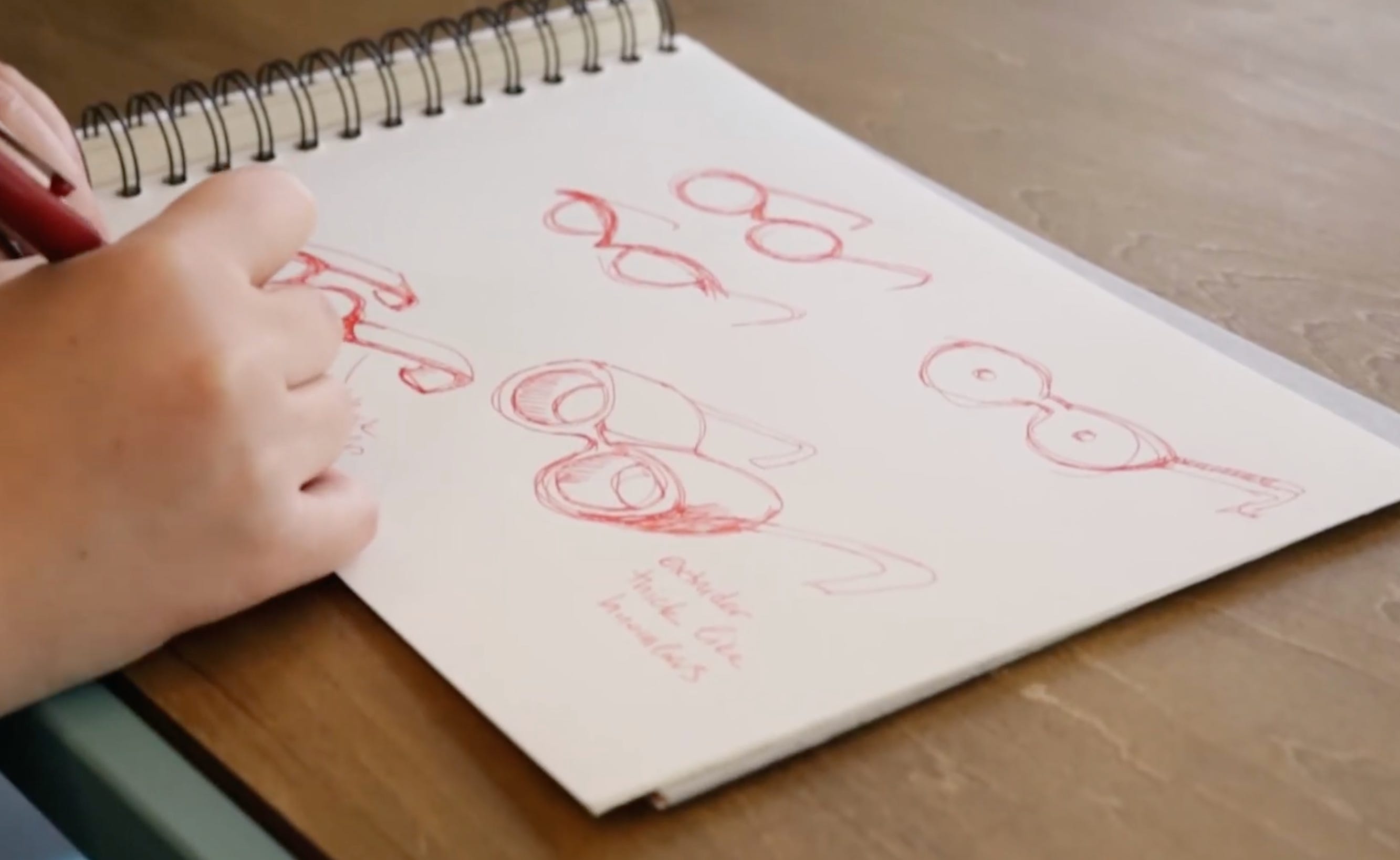
Kamprani [continued]: There were lots of discussions with friends, sometimes when we were out for drinks, because I thought it was funny, and they would give me feedback to let me know if I was on the right track.
Now I don’t really brainstorm — the ideas just come. Like, “Oh, that would be fun.” It’s not like analytical thing; it just comes like that.
IC: With AI getting bigger and more controversial and so on, have you used AI to create any of these designs?
Kamprani: No, no, no. Basically, one reason I’ve lost a lot of will to do anything is because of AI’s existence, and I don’t want to use it. Because I have zero personal time, zero time whatsoever to do anything, so sometimes I’m thinking, “Oh, I could do this task or that task so much faster if I used AI,” but I don’t want to use AI, so then I don’t want to do the task at all. So I don’t have the time to sit down and model something because I know there is a faster way, but I don’t want to use the faster way, so the thing doesn’t get done.
IC: It’s like a catch-22, if you know that phrase in English.
Kamprani: Yeah, exactly. Anyway, I don’t want to use AI. [Pause.] But that might change.
IC: Oh, so you’re open to that possibility?
Kamprani [after another pause]: I’ve been thinking that maybe if it is like a very local setup AI, and if I use it only for certain kinds of animation, like let’s say liquid animation. So maybe that, at some point. But for now it’s a hard no.
IC: What was your goal for this project at the beginning, and would you say you’ve achieved that goal?
Kamprani: There was no goal, really. Well, the goal was personal — what I wanted personally was to amuse myself. I think I was achieving self-expression without fully realizing it. I was just expressing something that I had in me, like being an artist, but not recognizing that I am an artist. I feel like there’s a very weird psychology behind it.
Basically, the goals were communication with other people, and having fun with showing a humorous side of me and people accepting it. That’s what I was achieving and what kept me going.
IC: Aside from the project’s longevity, which we already mentioned, what are the most surprising or unexpected things you’ve learned from the project, both in terms of what you’ve learned about design and what you’ve learned about yourself?
Kamprani: For one thing, I’ve learned more about how design can work, or not work, for people with disabilities. Because a lot of the products that we take for granted can be very challenging — very uncomfortable and inconvenient — for disabled people. So I’ve received messages from disabled people, telling me that the things I’ve created remind them of how they feel about regular design
I didn’t create the designs for that reason, but hearing from these people has opened up a whole different world to me. It’s helped me understand practical things that have to do with actual production — different processes, different materials, everything.
As for what the project has taught me about myself, having success was very weird with my day-to-day life. It’s very confusing, and it can be kind of like a weird burden, let’s say. I learned that about myself, and I’m still trying to cope with it. Now I’m coping better, but for the first few years, when I wasn’t expecting this success and it was happening, I had much difficulty taking it in.
IC: Following up on that, you mentioned earlier that you didn’t expect the project to go on for so long, and also that you don’t have enough free time in your day-to-day life. So do you ever find yourself almost resenting the project, or wishing that it didn’t define you so much in other people’s eyes?
Kamprani: No, no, no. I don’t resent it, because it’s actually given me a lot of good things. But what I’ve realized over the years is that this project is my way of avoiding doing something else. There was a point when I thought that I would just dedicate myself to this project, and it didn’t work because the creative process only comes when I procrastinate creatively, avoiding something else. If I’m happy, if I’m comfortable, I cannot do it.
IC: So if you’re comfortable, you can’t do The Uncomfortable. It lives up to its name!
Kamprani: Right.
IC: I think those are all my questions. Is there anything I haven’t asked that you want me to know about?
Kamprani: Very interesting questions! But there is a burning question that people ask me all the time, and you haven’t asked it.
IC: Oooh, what is it?
Kamprani: It’s “Why don’t you sell them?” Like, why don’t I put these things into production and sell them? I’m always getting asked that. So I can answer if you want.
IC: Yes, please.
Kamprani: When I did that first exhibition in 2017, people were wanting to buy the objects — “Oh, I want to buy this for my girlfriend.” A lot of people thought they’d be good as small knickknacks, like as presents. But if I do that, I will go from being an artist to a small business owner, and that’s something I don’t want.
IC: Why not?
Kamprani: I am a freelancer, an architect, I provide services. But I don’t want to ship stuff all over, I don’t want to be dealing with manufacturing logistics, things like that. And also it would be wasteful — like, a small knickknack isn’t the kind of thing I want to create.
IC: Are you also concerned that it would change your creative process, because you would start thinking about what would sell rather than what delights you?
Kamprani: Well, yes, I guess that’s what I’m saying. I would have to be someone who’s more concerned with sales.
And there you have it. Aside from the knickknack possibilities (which I think would be fun, although I totally understand Kamprani’s reasons for not wanting to go that route), I think these creations could also serve as educational tools for young children, teaching them about the importance of functional design.
But whatever — even without the objects being put into large-scale production, I love this project so much! If you feel similarly, check out The Uncomfortable’s website, keep up with Kamprani’s latest creations on The Uncomfortable’s Facebook page, and watch her excellent TED talk in the video below:
(Special thanks to Katerina Kamprani for sharing her time, expertise, and photos.)
Paul Lukas has been obsessing over the inconspicuous for most of his life, and has been writing about those obsessions for more than 30 years. You can contact him here.
This reminds me of the Aesop’s fable “The Fox and the Stork” where the fox serves soup in a shallow pan out of which the long-beaked stork can’t drink, and the stork serves food at the bottom of a long, narrow vase out of which the short-nosed fox can’t eat. Nice to see Fractured Fairy Tales getting a conceptual update! Bring forth the ghost of Edward Everett Horton and the spell will be complete!
Watched Katerina's video and loved it. The idea of what makes inovation and what makes an object successful are right on. Her design of uncomfortable objects is a winner. Thanks Paul for sharing. Fondly, Michael