

Exactly 101 years ago today — April 21st, 1925 — a woman who lived in or around the town of New Lexington, Ohio, received three pieces of mail. One was a card from a woman named Merle; she also received a letter from Mary W. and another letter from Marjorie W.
That same day, the New Lexington woman — let’s call her Lexi — mailed a letter to Clare McD. The following day, April 22nd, she sent a letter to Kim. The day after that, April 23rd, she sent a letter to Mary Wilson and also sent a letter and some flower seeds to Marjorie (presumably the same “Mary W.” and “Marjorie W.” from whom she’d received letters two days earlier) .
We know all this because Lexi kept a logbook, running almost 200 pages long, in which she meticulously recorded every piece of mail she received and sent from the start of 1917 through August of 1926, creating a nearly decade-long archival record of her postal activity. A quick flip-through video of the book is shown above, and here’s the two-page spread that shows the letters I just mentioned:
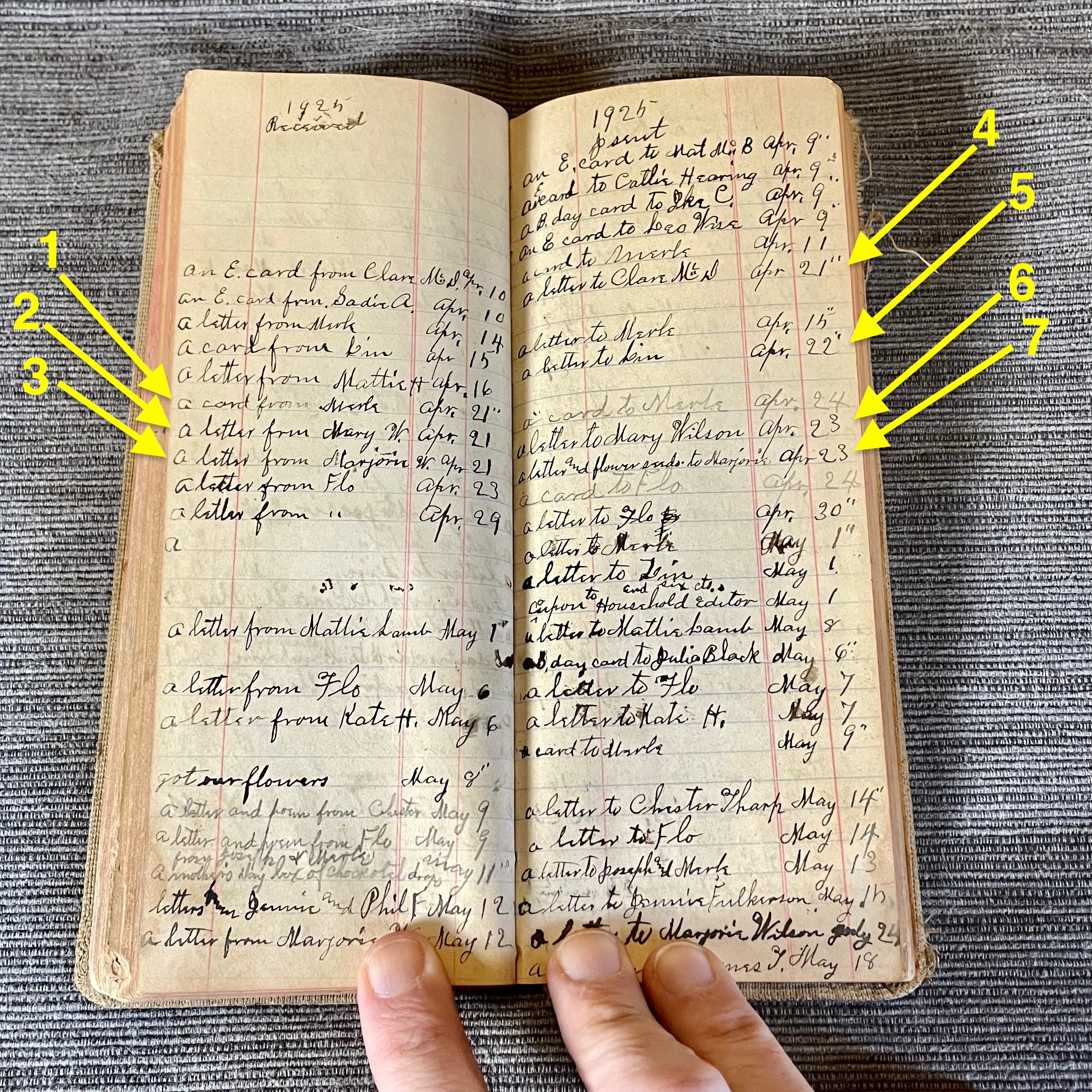
As you can see, the pages are headed “Received” on the left and “I sent” on the right. The numbered arrows correspond to the following entries:
“A card from Merle Apr. 21”
“A letter from Mary W. Apr. 21”
“A letter from Marjorie W. Apr. 21”
“A letter to Clare McD Apr 21”
“A letter to Kim Apr. 22”
“A letter to Mary Wilson Apr. 23”
“A letter and flower seeds to Marjorie Apr 23”
It’s one of the most brilliantly obsessive artifacts I’ve ever encountered. Lots of people save letters, but maintaining a record of your letters really takes things to the next level. I mean, I’ve written before about how I love mail, but Lexi must have really loved mail.

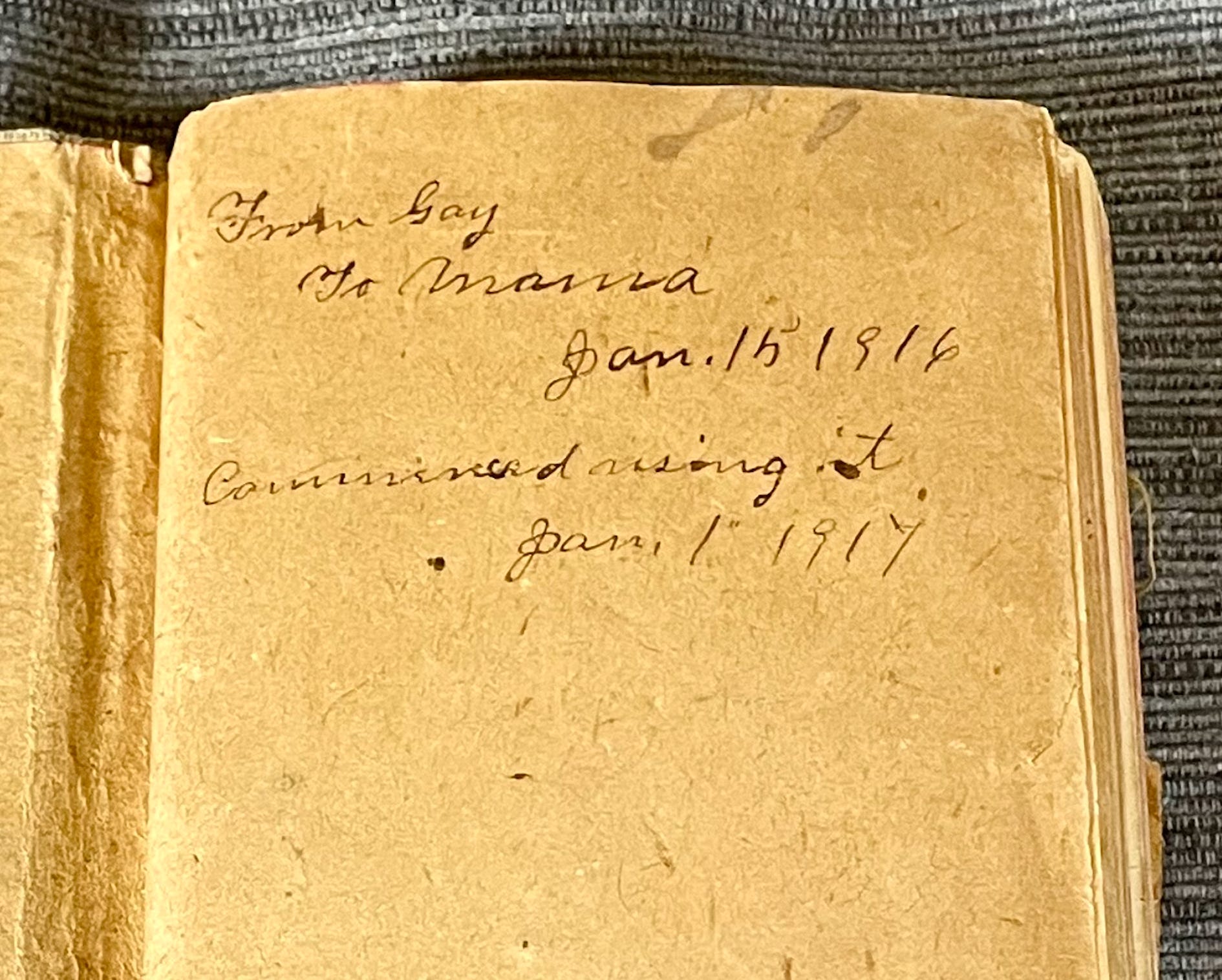
According to a note on the first page, Lexi received the logbook from her daughter Gay on January 15th, 1916. (As we’ll see in a minute, that date is significant.) But Lexi apparently didn’t want to begin her recordkeeping in the middle of a year, because she waited 11 and a half months until the following New Year’s Day — January 1st, 1917 — before she “commenced using” the logbook:
There’s something endearingly odd about receiving a gift from your daughter and then steadfastly refusing to use it for nearly a year, but Lexi was apparently a woman who adhered to strict protocols, and one of them was that she wanted to start the journal with a fresh year.
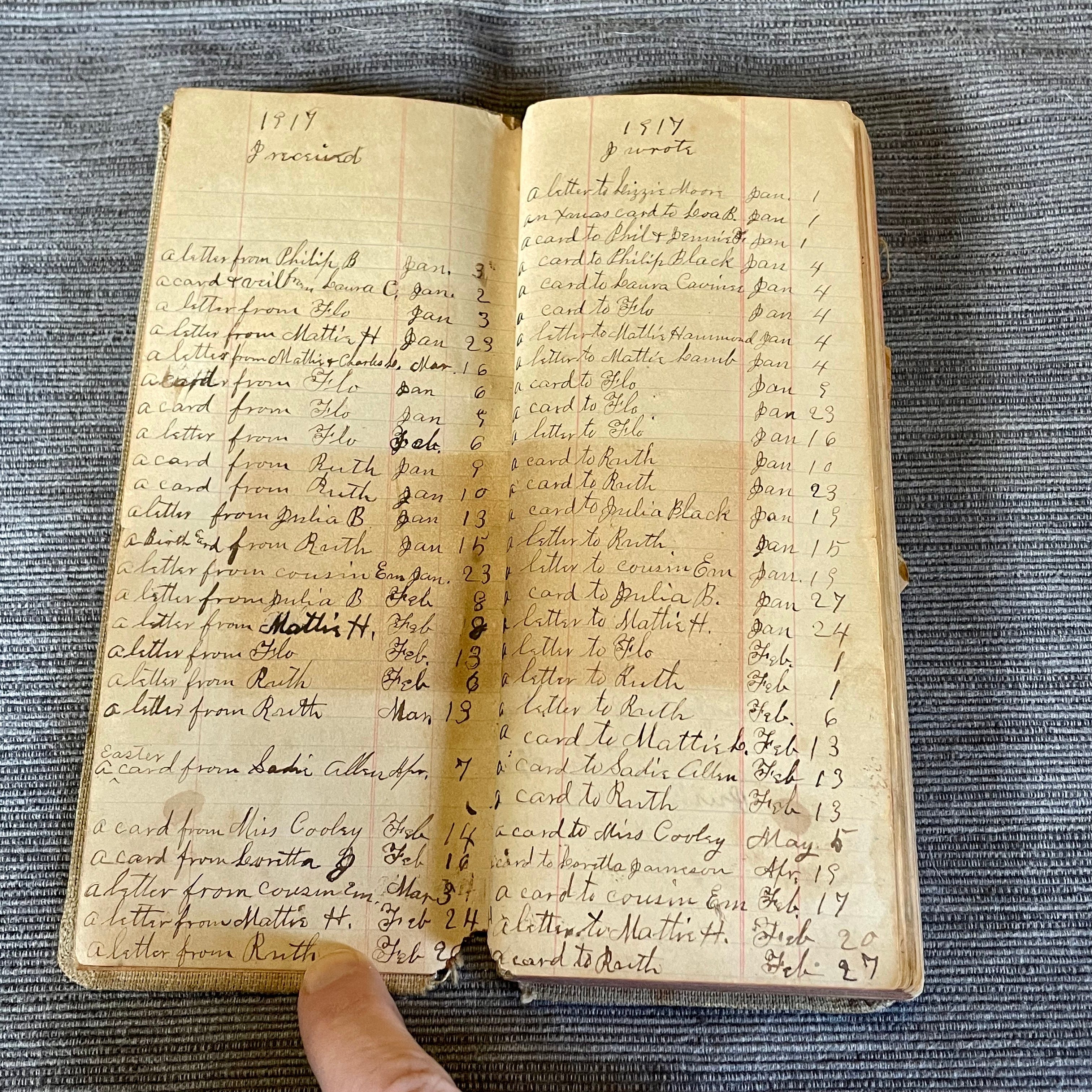
Lexi hit the ground running on that 1917 New Year’s Day, writing a letter and two cards (one of which was “an Xmas card” — a bit tardy to be doing that on January 1st!). She didn’t receive anything that day, of course, because there was no mail delivery on New Year’s Day, but she received a card from Laura C. on January 2nd, and letters from Philip B. and Flo the day after that:
It’s not clear why some of the entries are out of chronological sequence, a glitch that recurs here and there throughout the journal. That’s one of several mysteries surrounding this item, the biggest of which is Lexi’s identity. The eBay seller from whom I purchased the book told me he acquired it at an estate sale for an ephemera collector, so it’s not clear whether the ledger was a family heirloom or just a collectible. Either way, though it’s a remarkable document of epistolary activity.
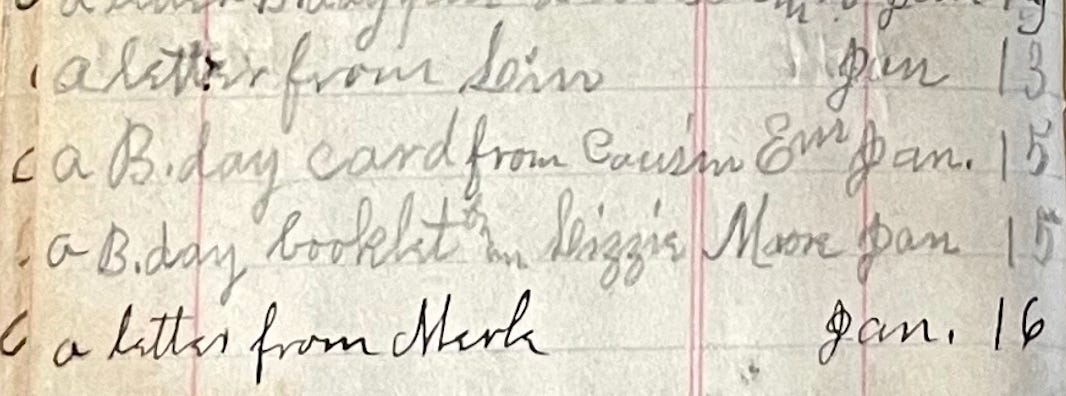
One thing we do know about Lexi is that she usually received at least one “B.day card” (and sometimes a “B.day letter” or even a “B.day booklet”) on or around January 15th. This apparently explains why Gay have her the journal on that date. Here, for example, are the relevant “Received” entries from 1923:
There’s also a hint that Lexi may have been expecting a child in the spring of 1918, because she received “a stork card” on May 15th of that year (although I think she meant to write “Mar. 15”):
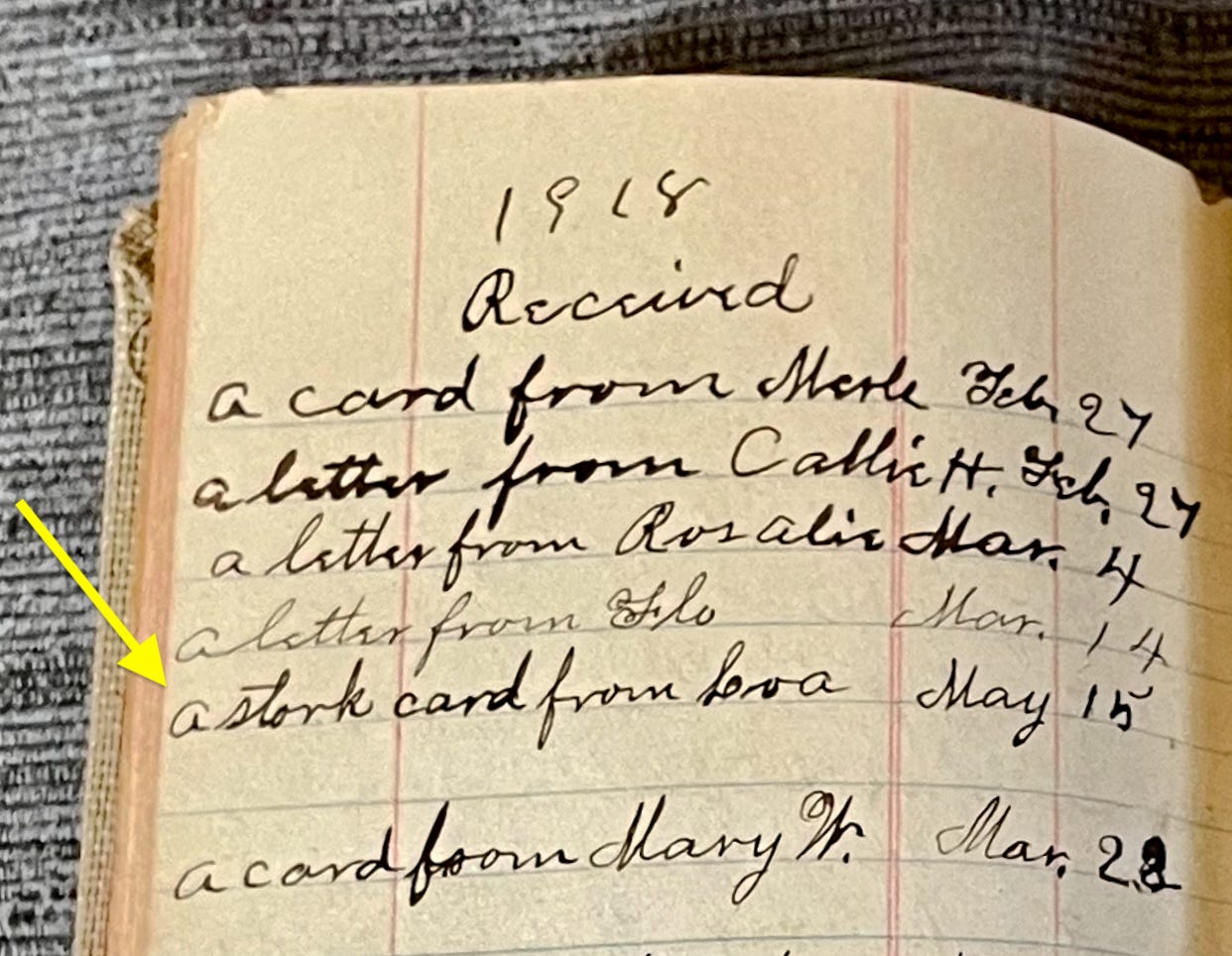
I couldn’t find any other references to stork cards, babies, or anything else of that nature, so maybe “stork card” referred to something other than a impending birth.
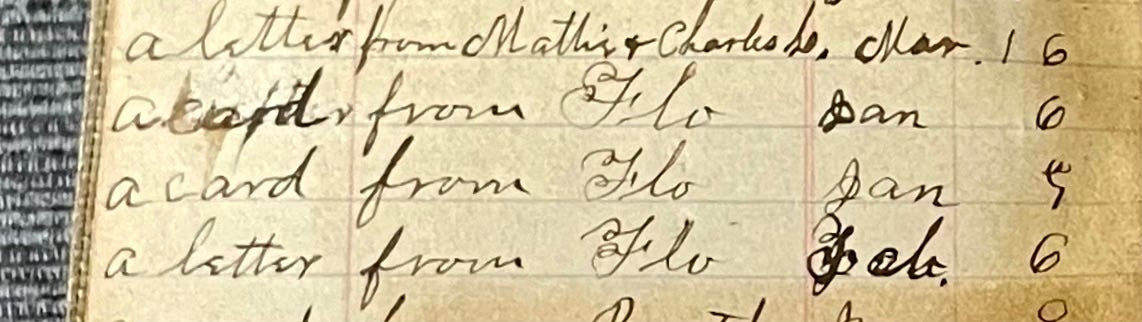
Certain names come up again and again in the journal. The one that appears most frequently is probably Flo, with whom Lexi maintained a brisk correspondence. It’s not clear if Flo was a friend or a relative, but I’m always happy to see her name as I page through the journal because Lexi had an extremely pleasing way of writing a capital “F,” full of flourishes and curlicues:
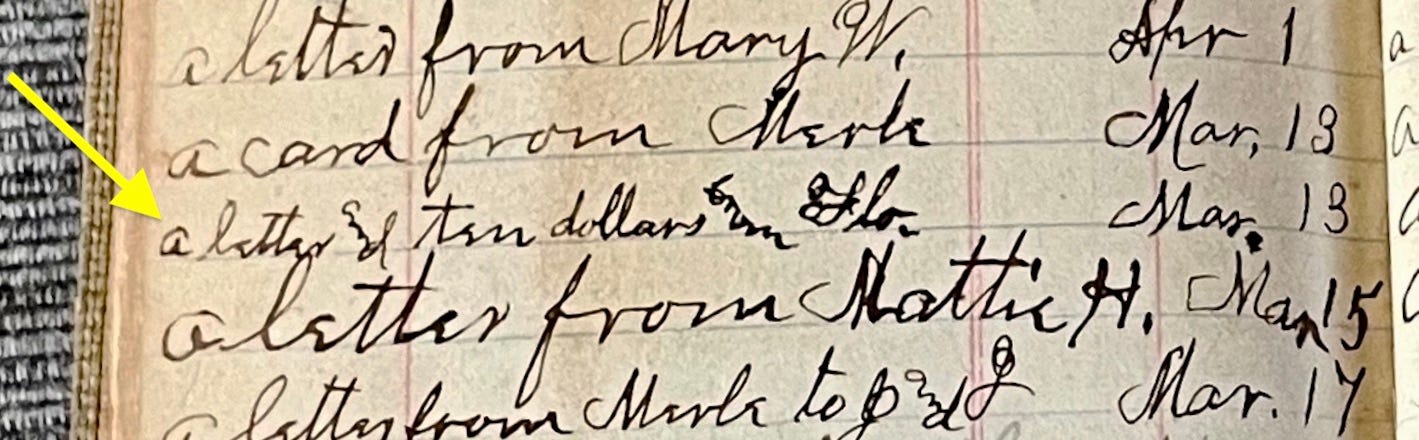
In March of 1919, Flo even sent Lexi 10 bucks (which is the equivalent of about $189 today!). Check it out:
A few other noteworthy details about the logbook:
The pages on the left are always headed “Received” or “I Received,” while the operative verb on the right-hand pages switches back and forth between “I Sent” and “I Wrote.” That’s not a big deal either way, of course, but it’s mildly surprising to see that Lexi, who was so fastidious about so many things, was a bit inconsistent in her terminology.
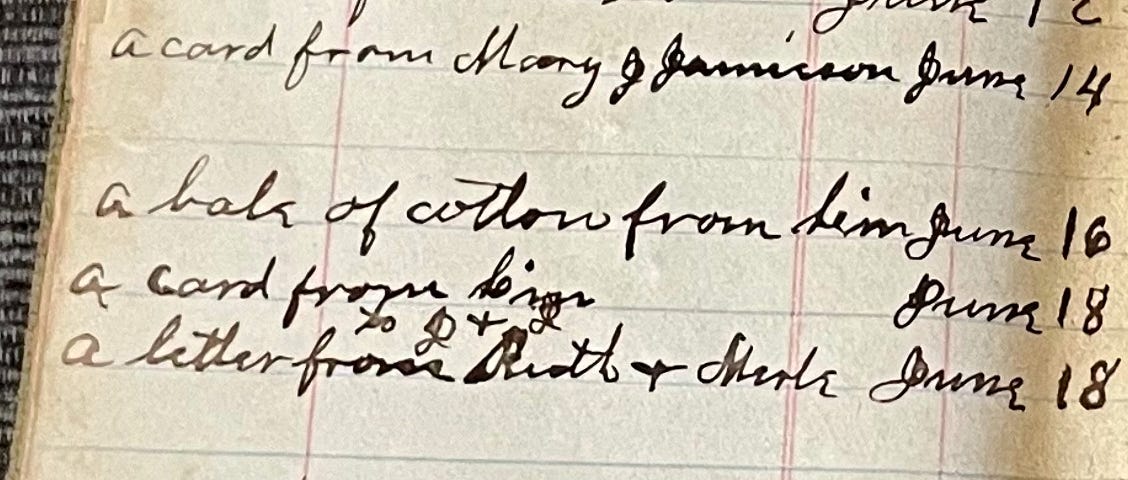
The entries occasionally refer to shipments that presumably arrived by methods other than the U.S. Postal Service. On June 16th, 1917, for example, Lexi received “a bale of cotton from Kim”:
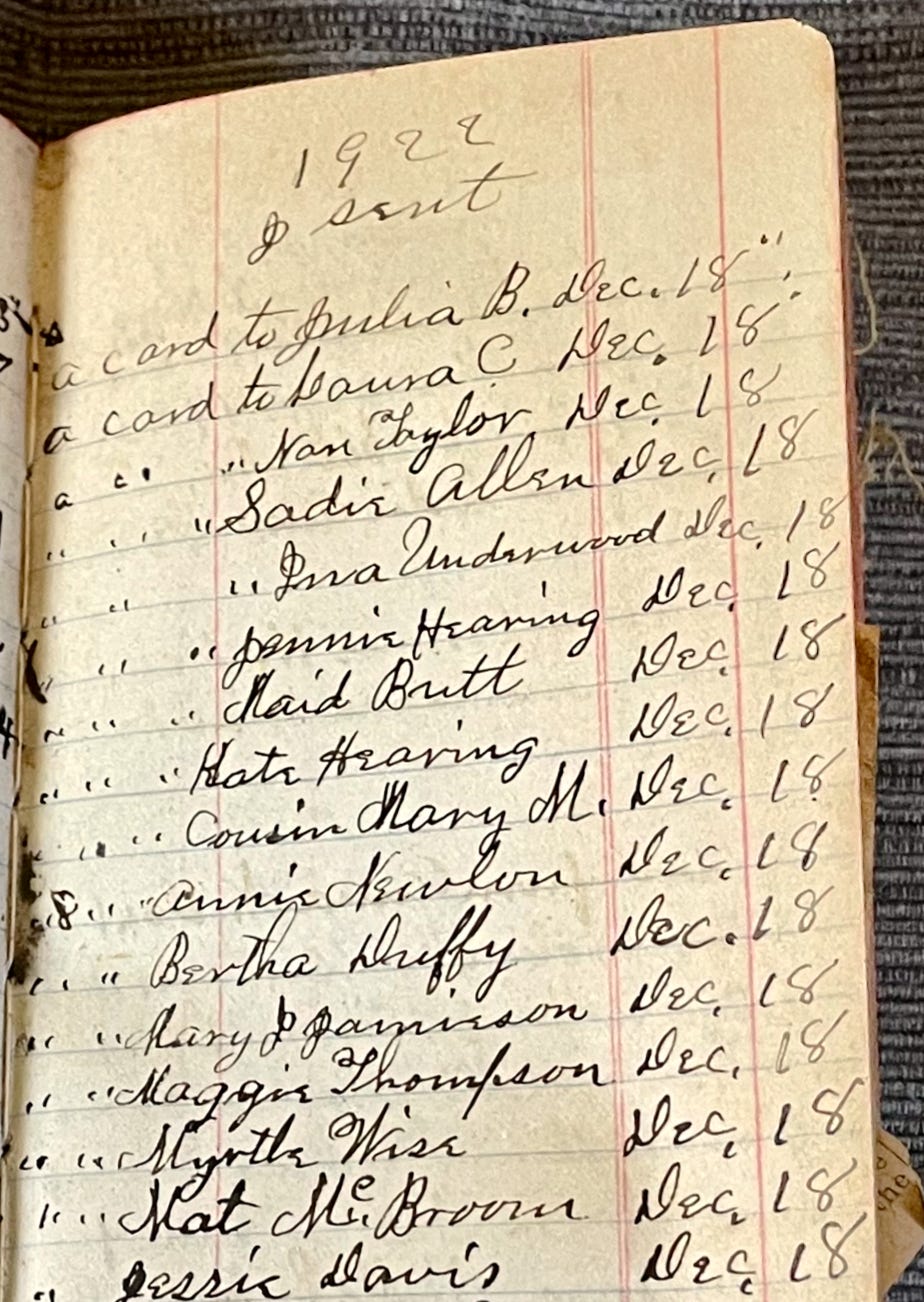
Lexi mailed out a lot of Christmas cards each year. Look how busy she was on December 18th, 1922:
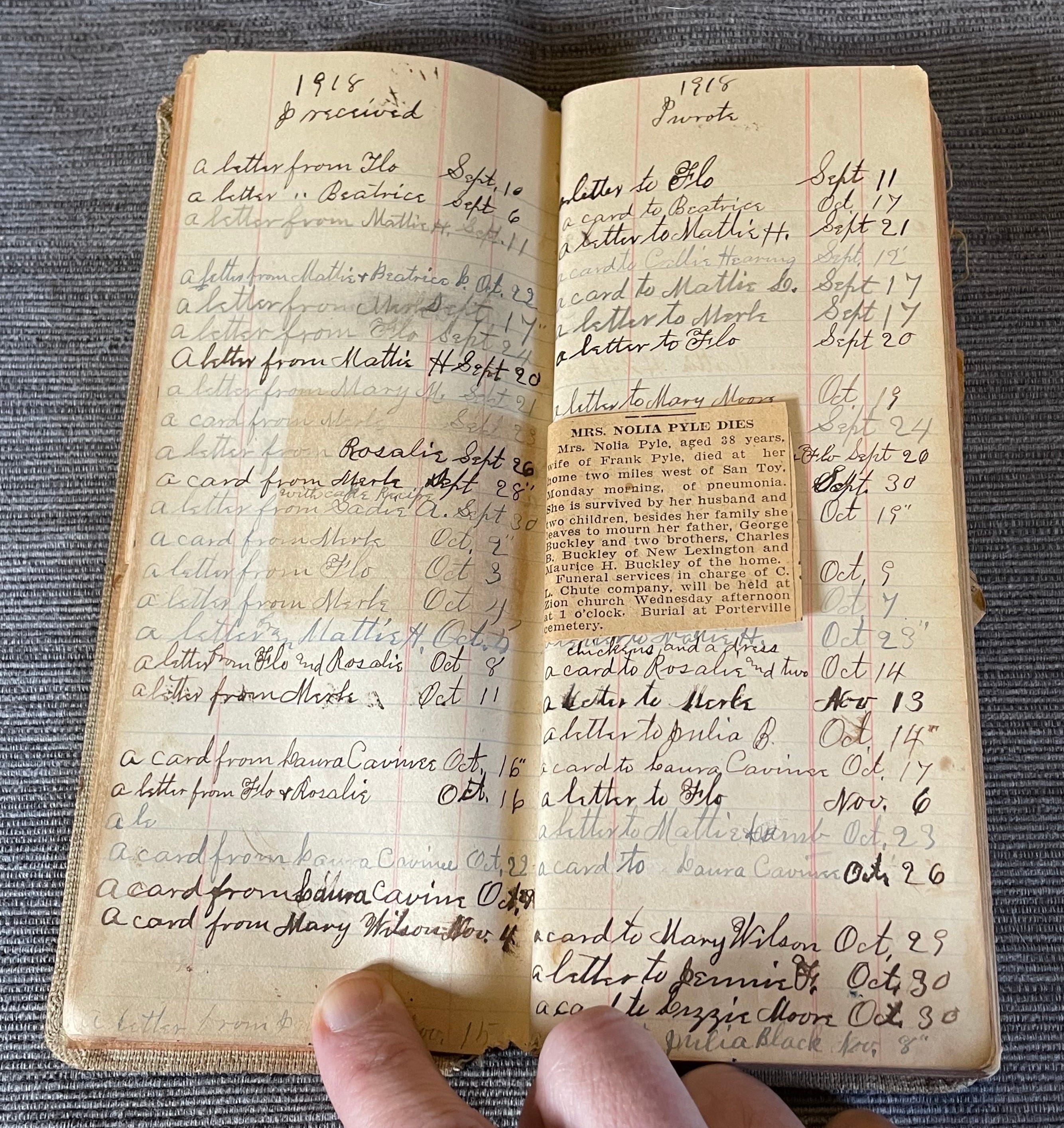
The journal came with some small slips of paper — mostly newspaper obituaries for people who lived in or near New Lexington — inserted here and there throughout the book. Most of them are not dated, but it seems reasonable to assume that they were contemporaneous with the pages where they appeared. Here’s a typical example, followed by photos of the various clippings:


The book’s final 18 pages are a hodgepodge of information, including addresses, birthdays, mentions of people who died, notable activities (“Visited Lillie Sellers Aug. 24th 1925”), personal milestones (“Ordered my new glasses Sept. 30th 1925, got them Oct. 7th 1925”), meteorological notes (“Jan. 28th 1925 at 4am: 20 degrees below zero”), local drama (“The store robbed the night of Apr. 30 1924, the second time this month”), and more. Here’s a typical spread from that part of the journal:
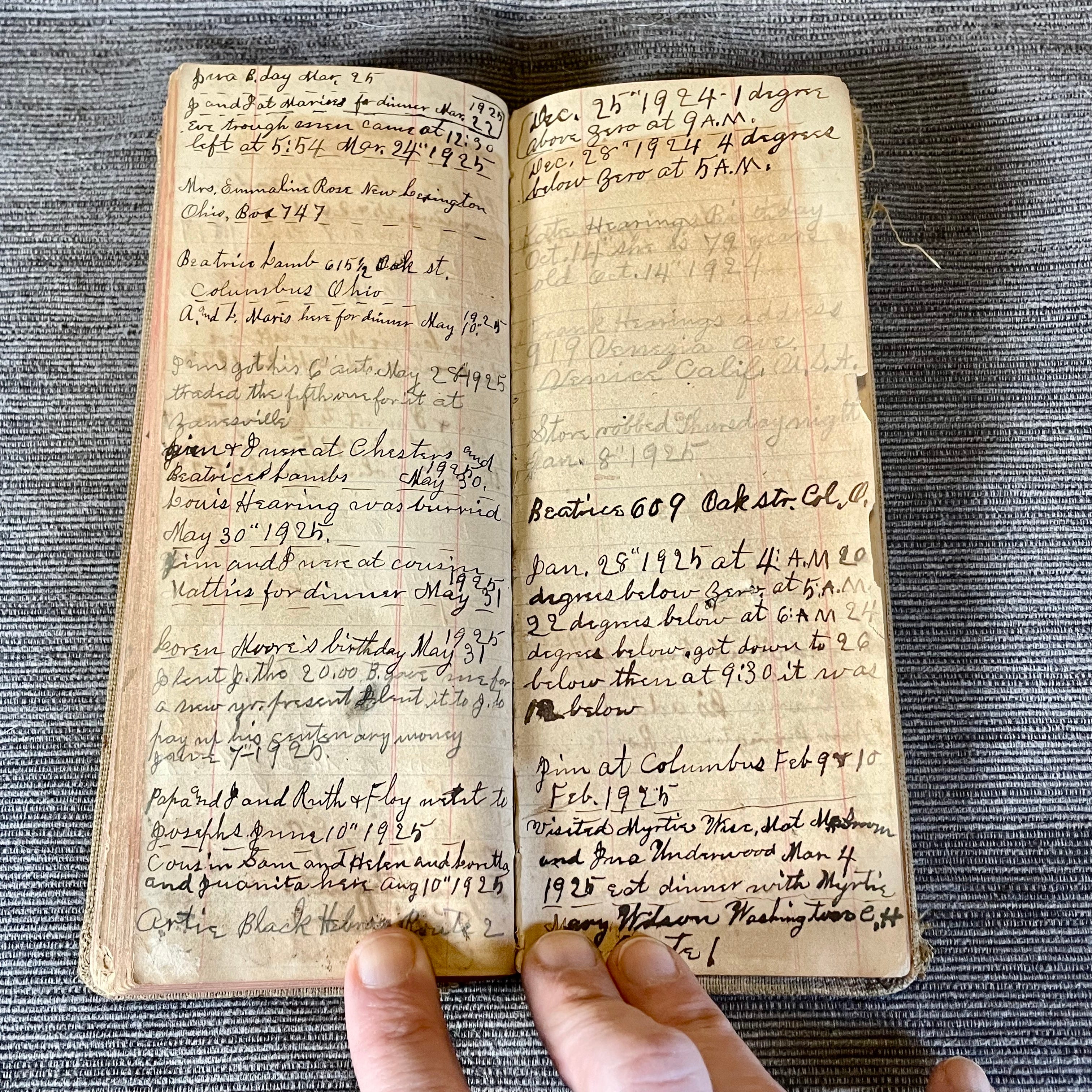
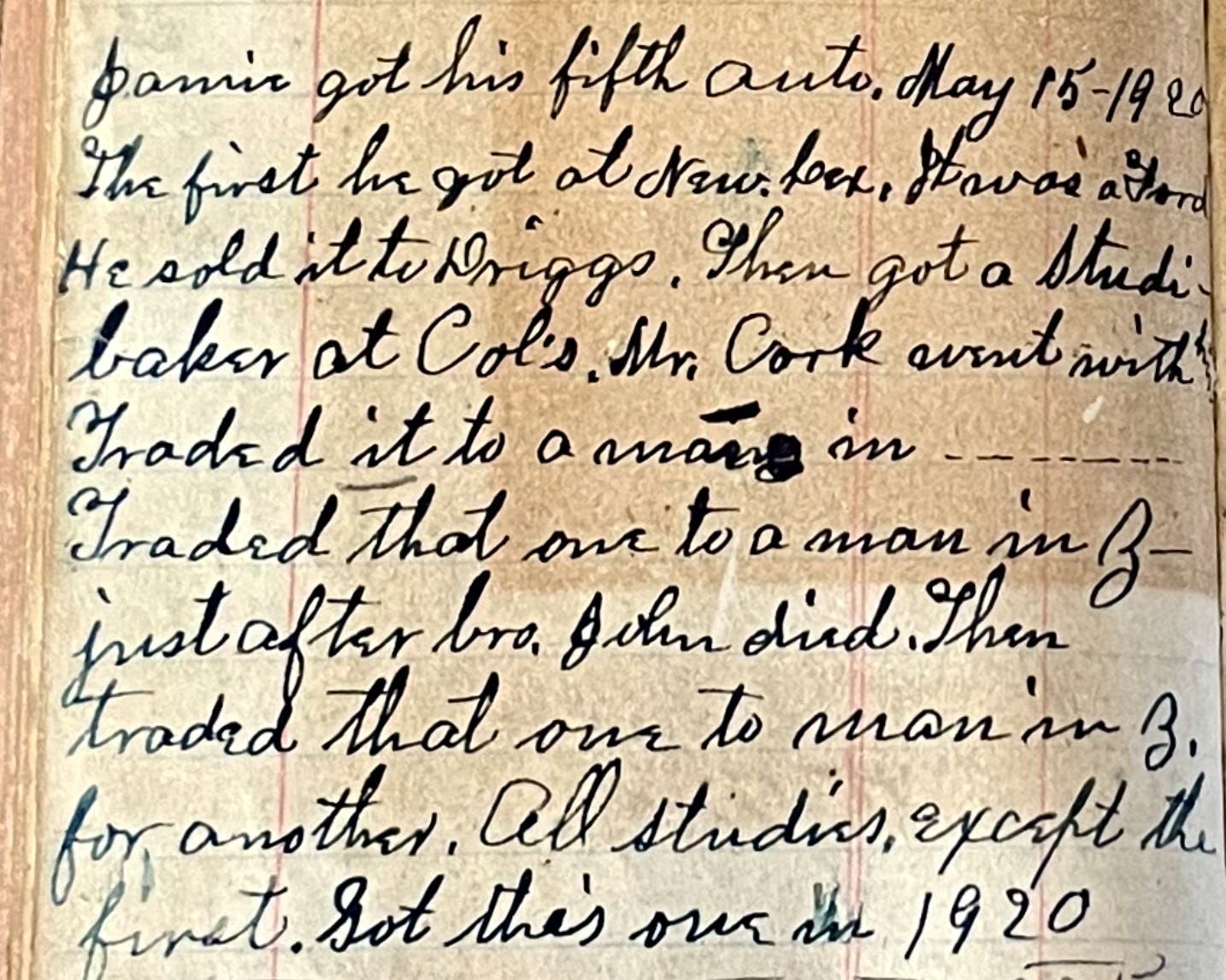
Car enthusiasts will enjoy this passage (transcription followed by a photo of the relevant page):
Jamie got his fifth auto. May 15 1920. The first he got at New. Lex. It was a Ford. He sold it to Driggs. Then got a Studibaker [sic] at Col’s. Cook went with him. Traded it to a man in [blank space]. Traded that one to a man in Z [this probably refers to the nearby city of Zanesville] just after bro. John died. Then traded that one to man in Z for another. All Studies, except the first. Got this one in 1920.
And so on. It’s all pretty amazing!
If you want to see what Lexi received or sent on a given date, you can see photos of the entire journal, sequenced chronologically, here. In addition, I’ve put all of those photos into a slideshow video, in case you find that easier to hunt through:
Hope you’ve enjoyed seeing this fascinating document! I’m fairly certain it contains lots of additional noteworthy details that I haven’t yet discovered, so maybe at some point I’ll do a follow-up post.

Inconspicuous News Roundup
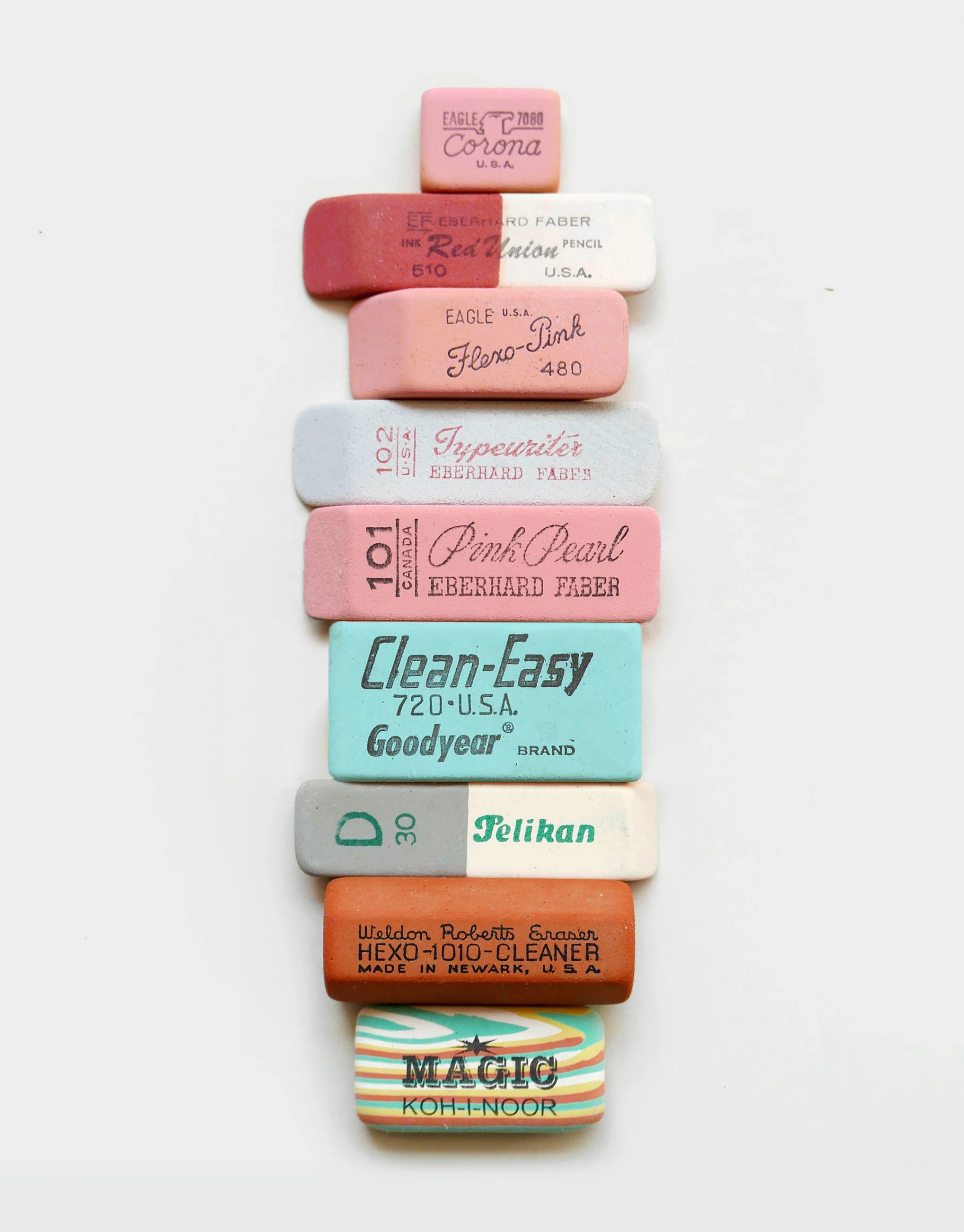
The photo above shows fun examples from a brilliantly inconspicuous design category: typography on erasers! Additional examples here. (From Mark Hurst)
Speaking of niche categories: I’m not a skier, so I’ve never thought about ski maps, but it turns out that they’re an interesting subsection of cartography — and there’s a really fun website featuring over 28,000 of them! (From Audrey Kalman)
Gotta love this history of the propellor beanie. (From Victor Klein)
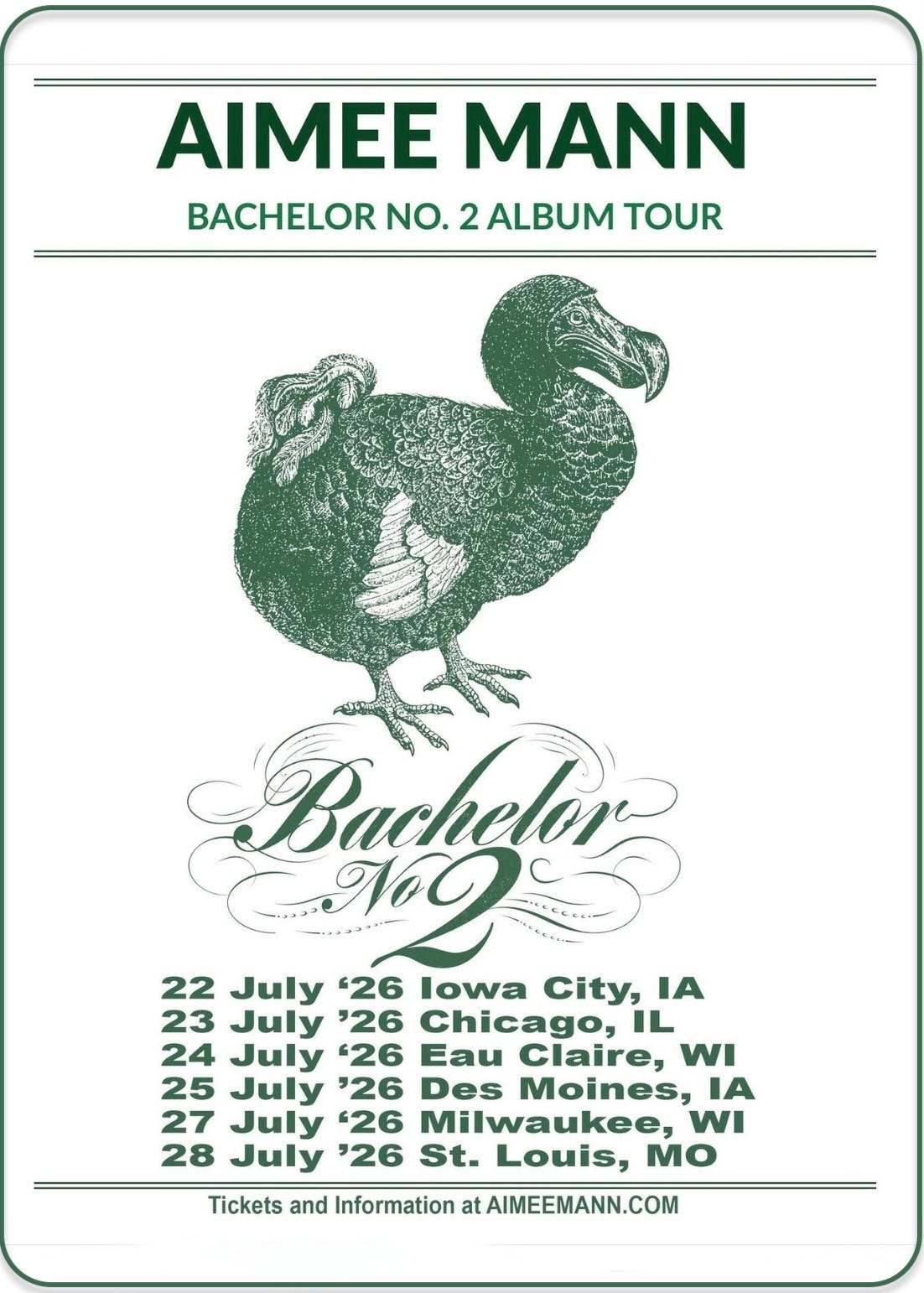
In a very strange development, the tour dates listed in this Facebook ad for Aimee Mann’s upcoming midwest tour alternates the use of proper apostrophes and improper single open-quotes:
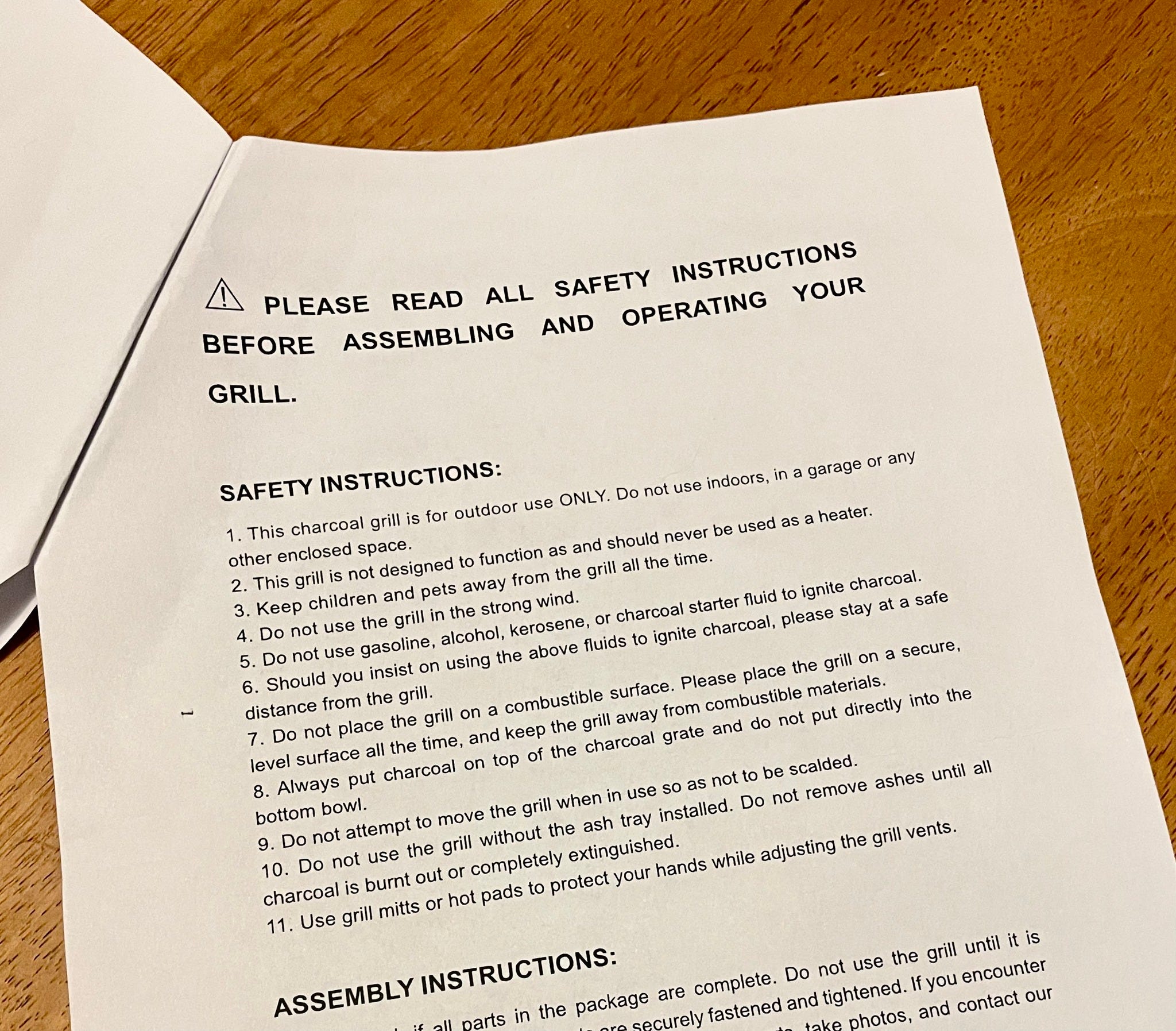
I just bought a new charcoal grill. It came with a list of safety instructions, and I was particularly amused by Nos. 5 and 6. Like, they assume you’re going to ignore what they just told you:
Paul Lukas has been obsessing over the inconspicuous for most of his life, and has been writing about those obsessions for more than 30 years. You can contact him here.
Fun stuff, odd but fun!. And now, thanks to Lexi, I don't feel so bad about keeping car gas fillup journals for the last 40+ years. Journals that I've never once had the need to refer to but I've kept anyway.
I’ll throw this out there for a reason she didn’t start using this book until 11.5 months after receiving it:
-She already had a different book she was writing in.
-Her daughter knew it was filling up, so got her a new one.
-Being the obsessive organizer she was, she held onto it until the following year started.
Of course, we’ll never know, but it seems pretty plausible that this isn’t her only letter log!
As usual, great fun, Paul!