


Note: Remember Scott Teplin, the artist who created all the super-cool faux fireworks? He recently texted me to say that he was at a “Museum of OBJECTS in Mexico City!” He sent along a few photos, which looked amazing, so I encouraged him to take more pics and then write about the museum when he got back to the States. This post is the result.
Also: This post is not paywalled. Enjoy! — Paul
By Scott Teplin
My family and I recently vacationed in Mexico City. Nestled in the heart of the city’s vibrant Roma Norte neighborhood is a hidden gem that nearly escaped our itinerary: The Object Museum (or MODO, short for Museo del Objeto del Objeto, or “the Object of the Object”).
To be honest, I was initially hesitant to step inside. Having grown up in Wisconsin, I developed a healthy distaste for the cluttered crap heaps featured in the infamous tourist trap the House on the Rock, and I worried that MODO might be more of the same. However, curiosity eventually won out, and I wandered in one afternoon to discover what turned out to be one of the most delightful museum experiences I’ve ever had.
The museum is a dedicated homage to the “object (i.e., the point) of the object,” showcasing vast collections of everyday items. Originally conceived as the private obsession of the mansion’s resident, Bruno Newman, who spent over 40 years collecting packaging and advertising, it has evolved into something of a localized record of material culture. Plus it’s just a well-curated collection of cool stuff.
Here’s a short video that pans around one of the museum’s rooms, which is packed with interesting displays:
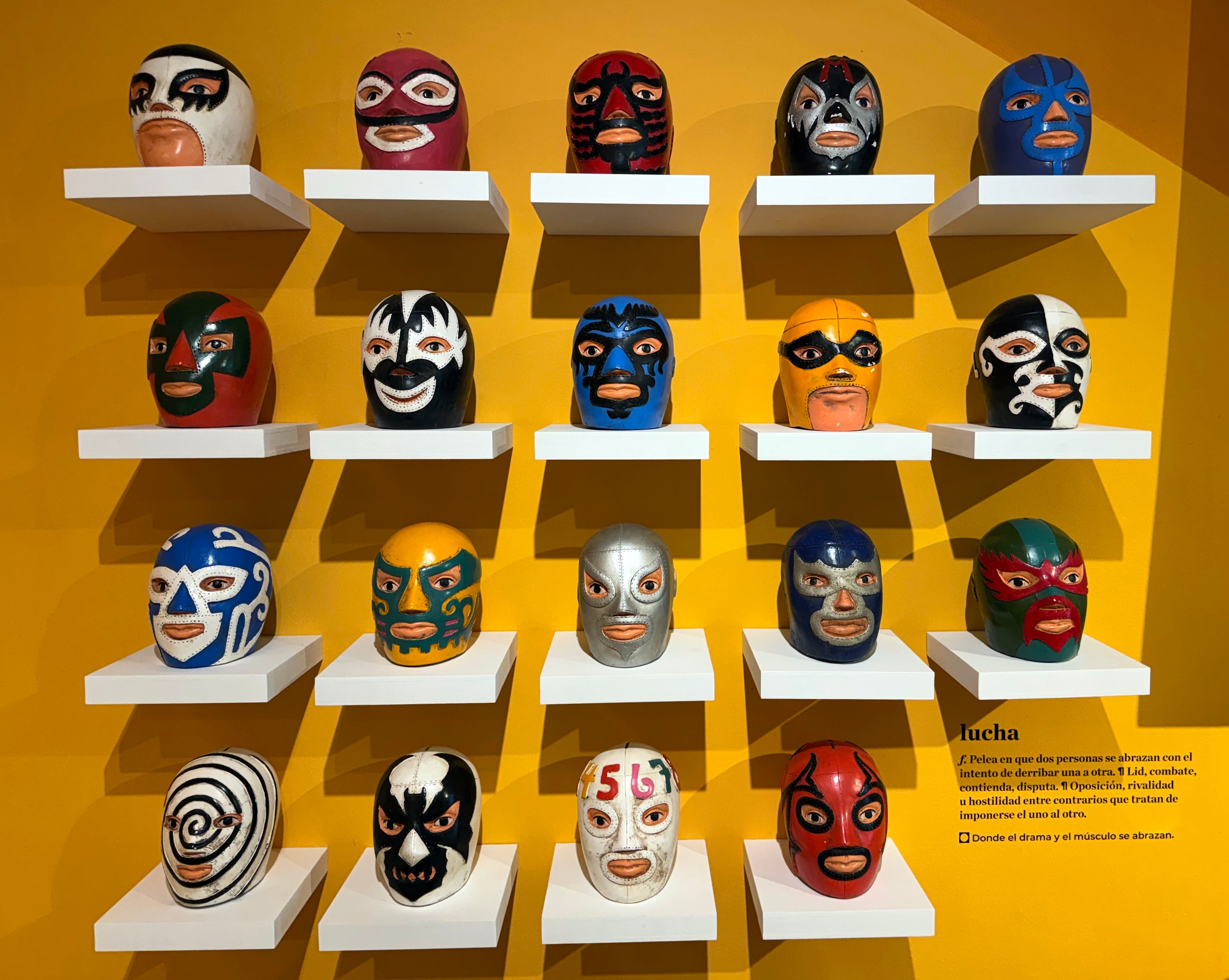
As you might expect, many of the items are based on Mexican culture, like this display of toy figurine heads based on lucha libre masks:
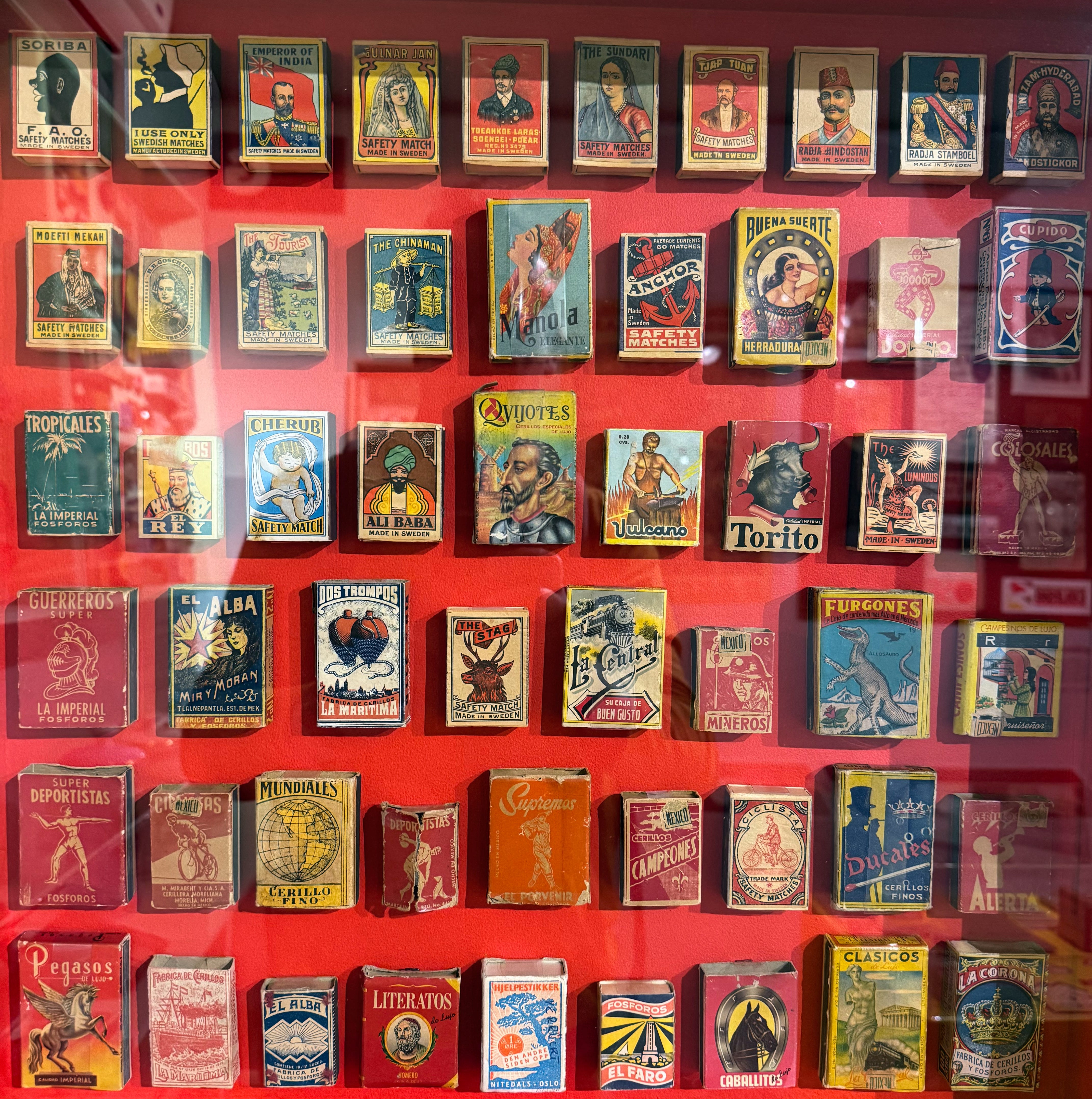
On the other hand, these matchboxes, despite having text in Spanish, were produced in Sweden:
There are several displays featuring items on a given theme, like this showcase of shoehorns and shoe polish tins:
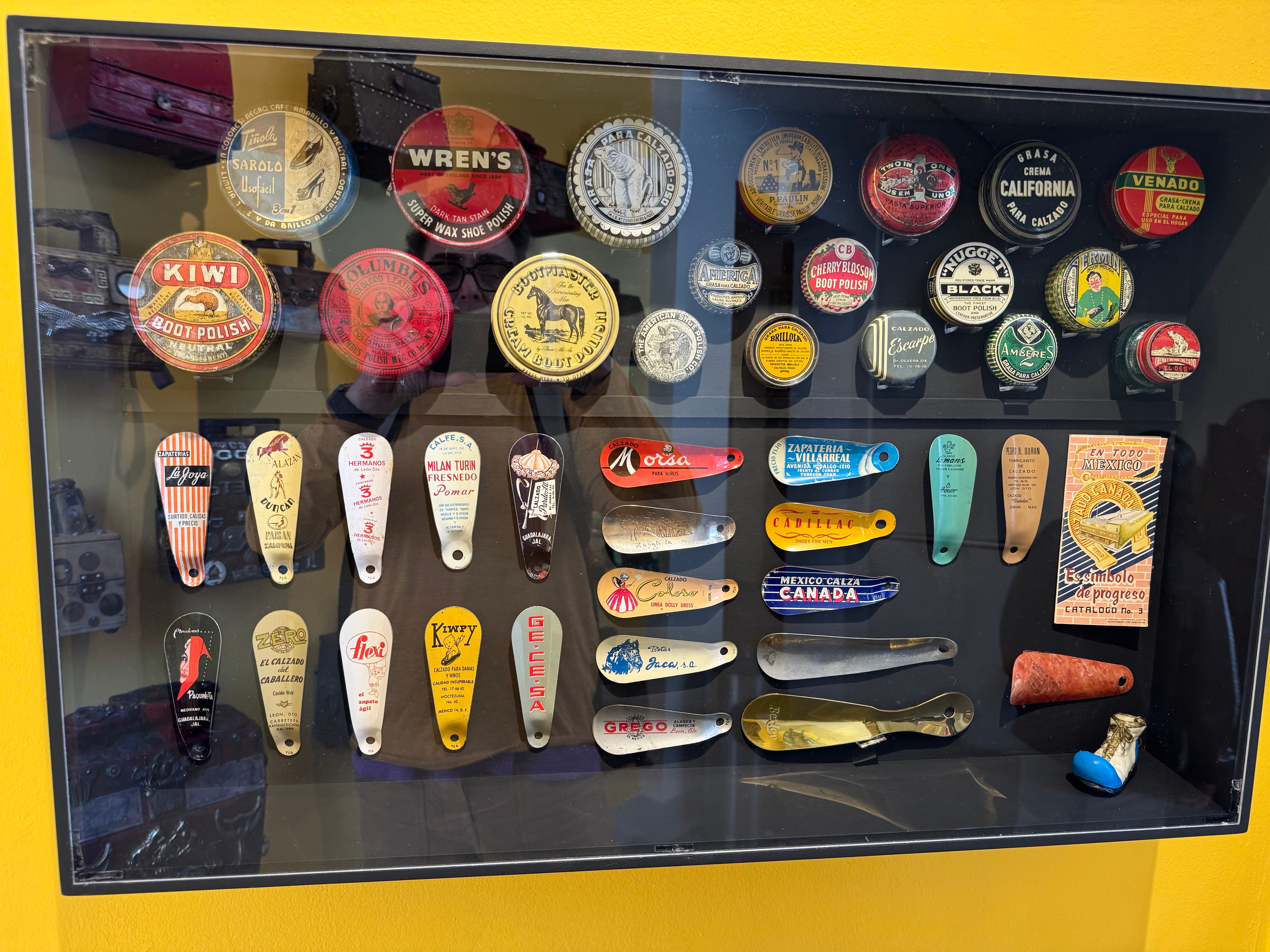
I love the way the text on the shoe polish tins is arranged. These will definitely will serve as inspiration for some new faux fireworks I plan to make!
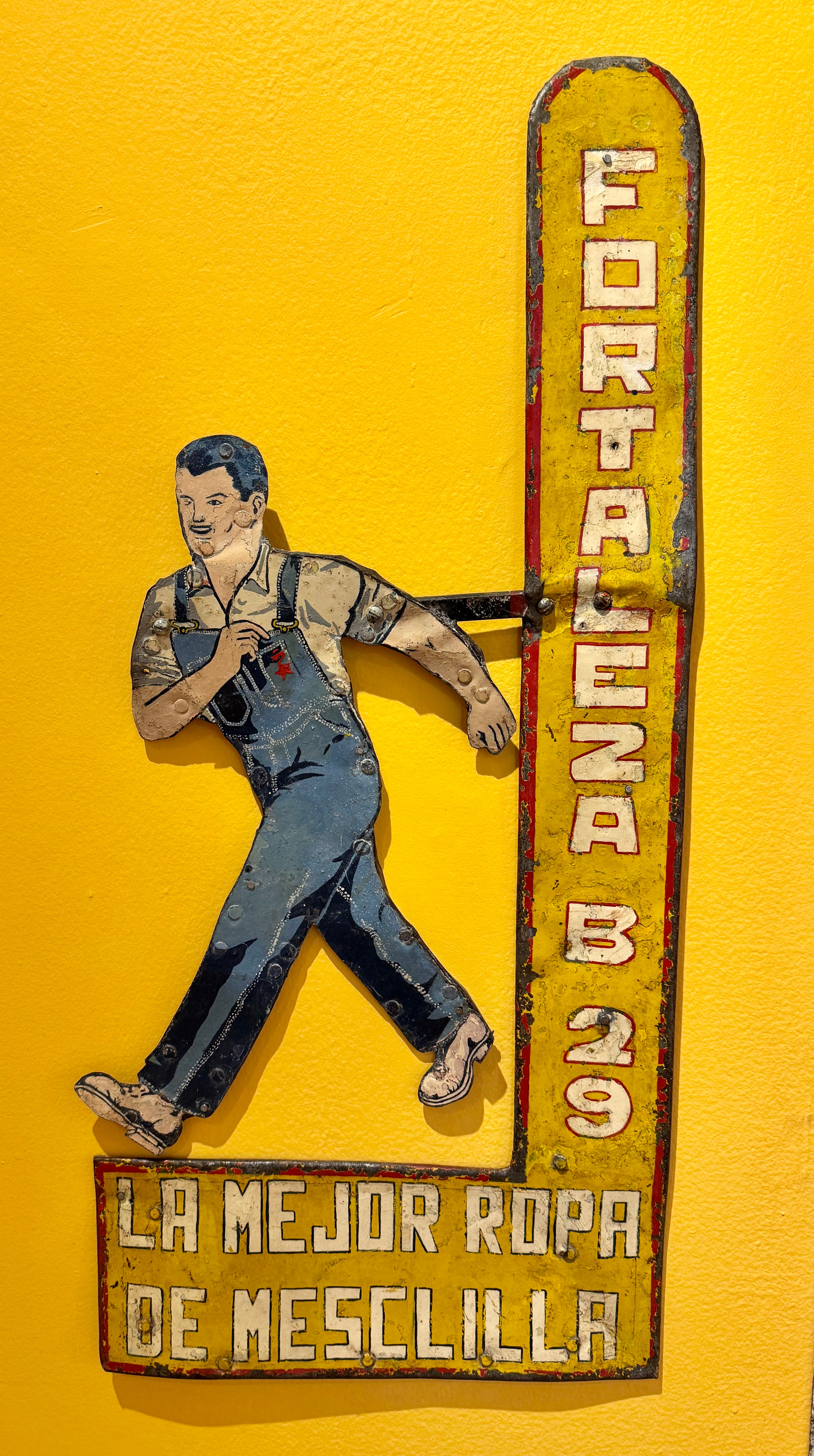
There are lots of great old advertising pieces, like this one that says, “La mejor ropa de mescilla” (“The best denim clothing”):
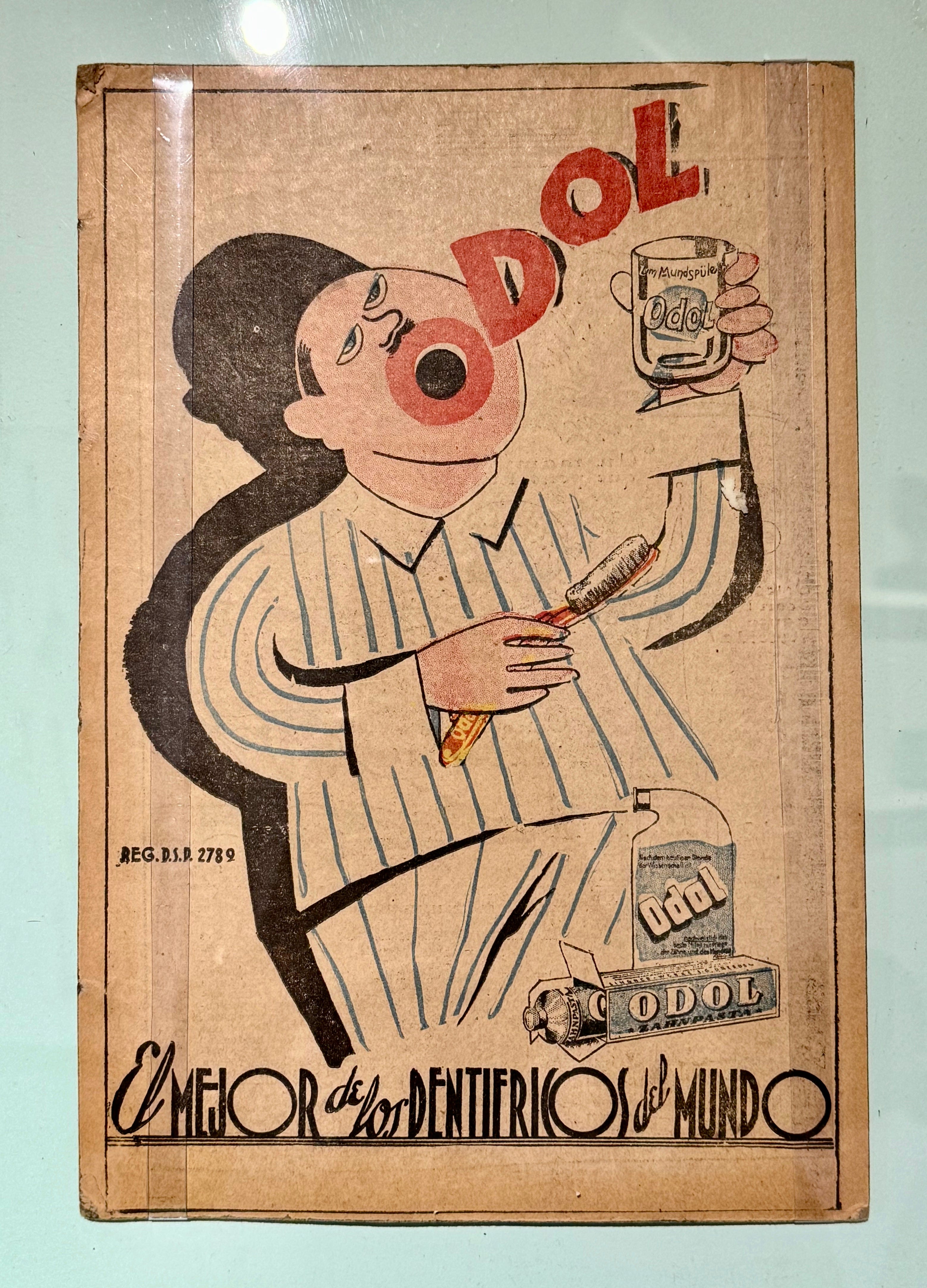
I also loved this old toothpaste ad [which might be of interest to toothpaste collector Tucker Viemeister — Paul]:
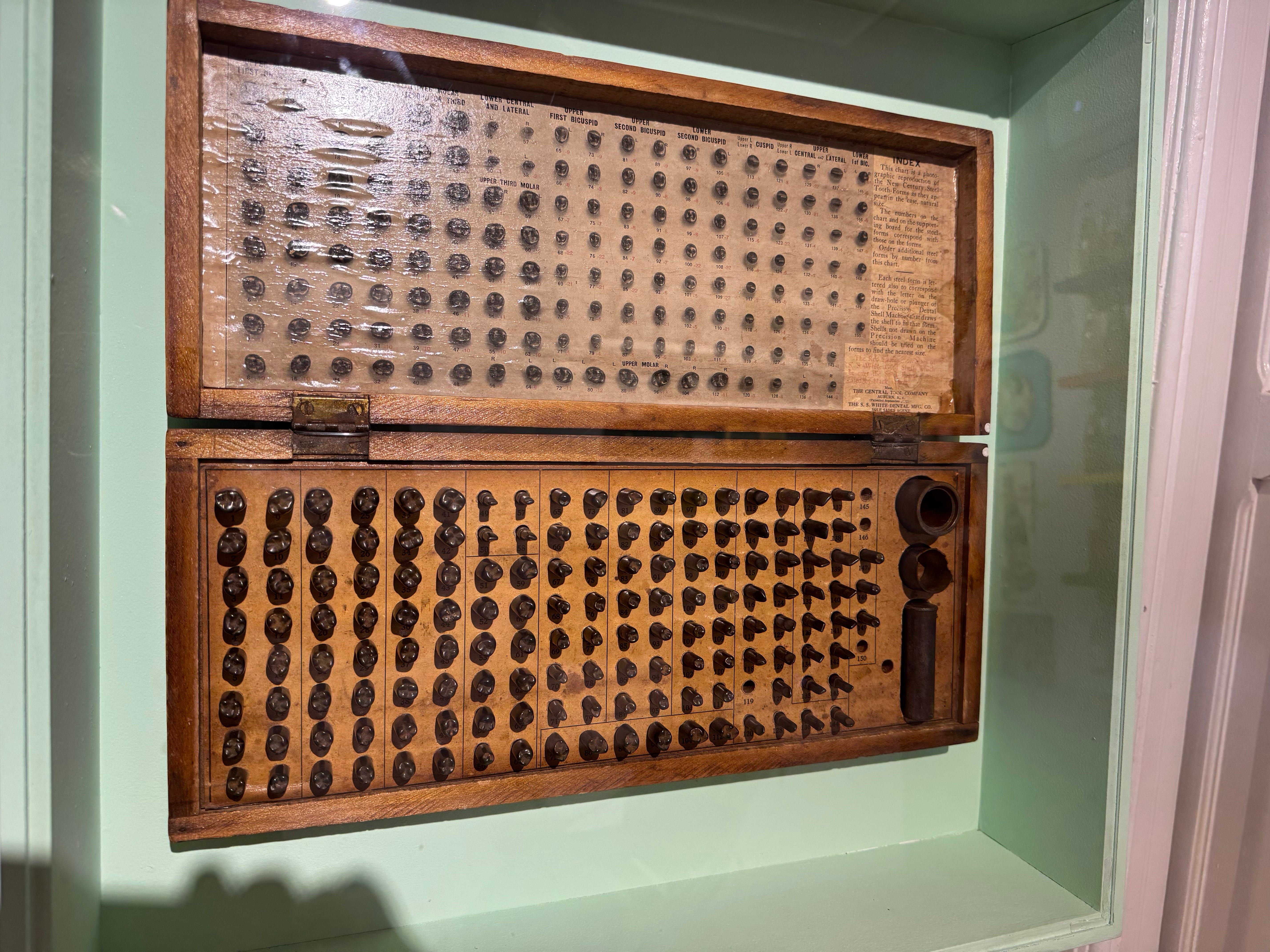
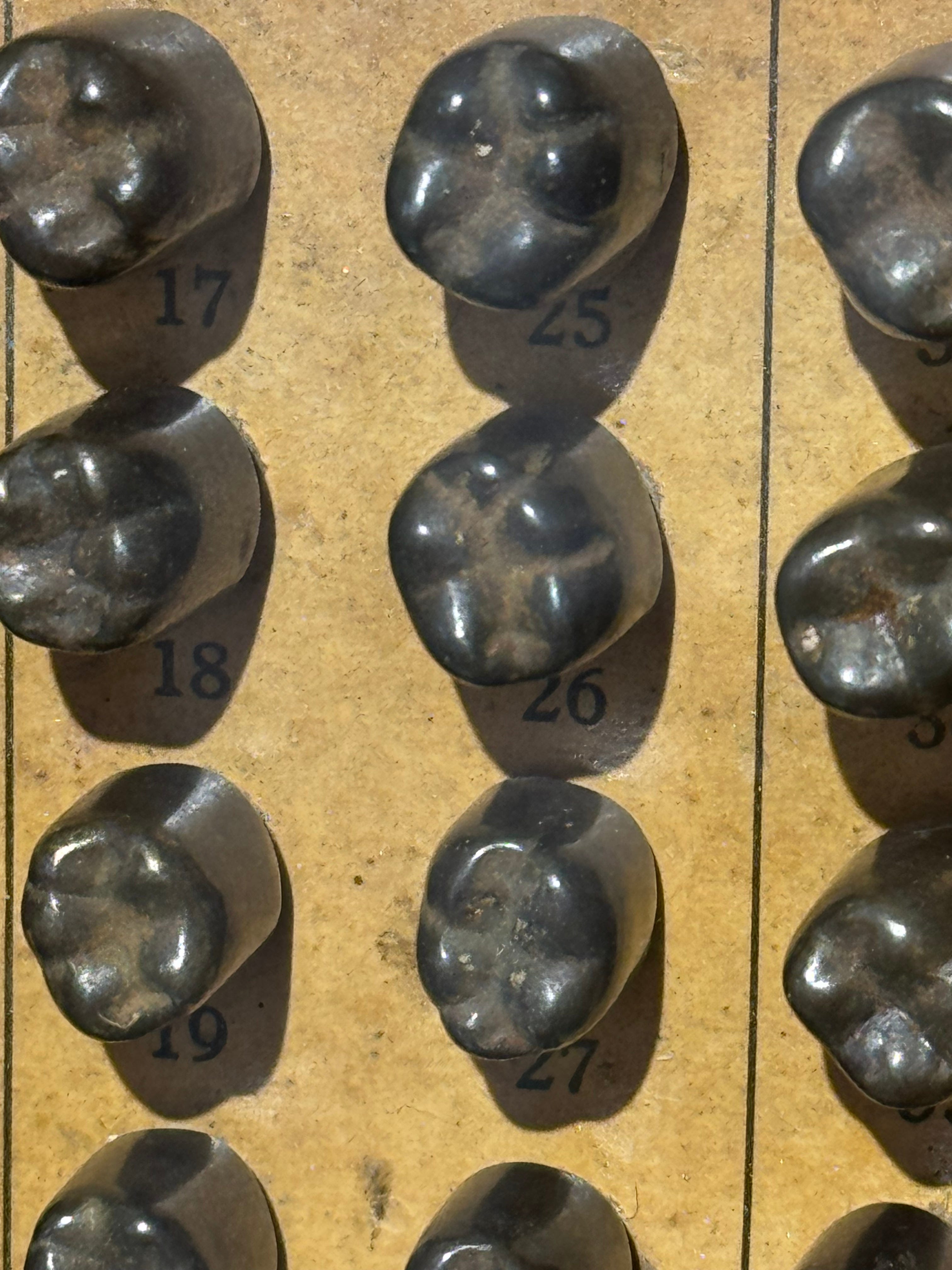
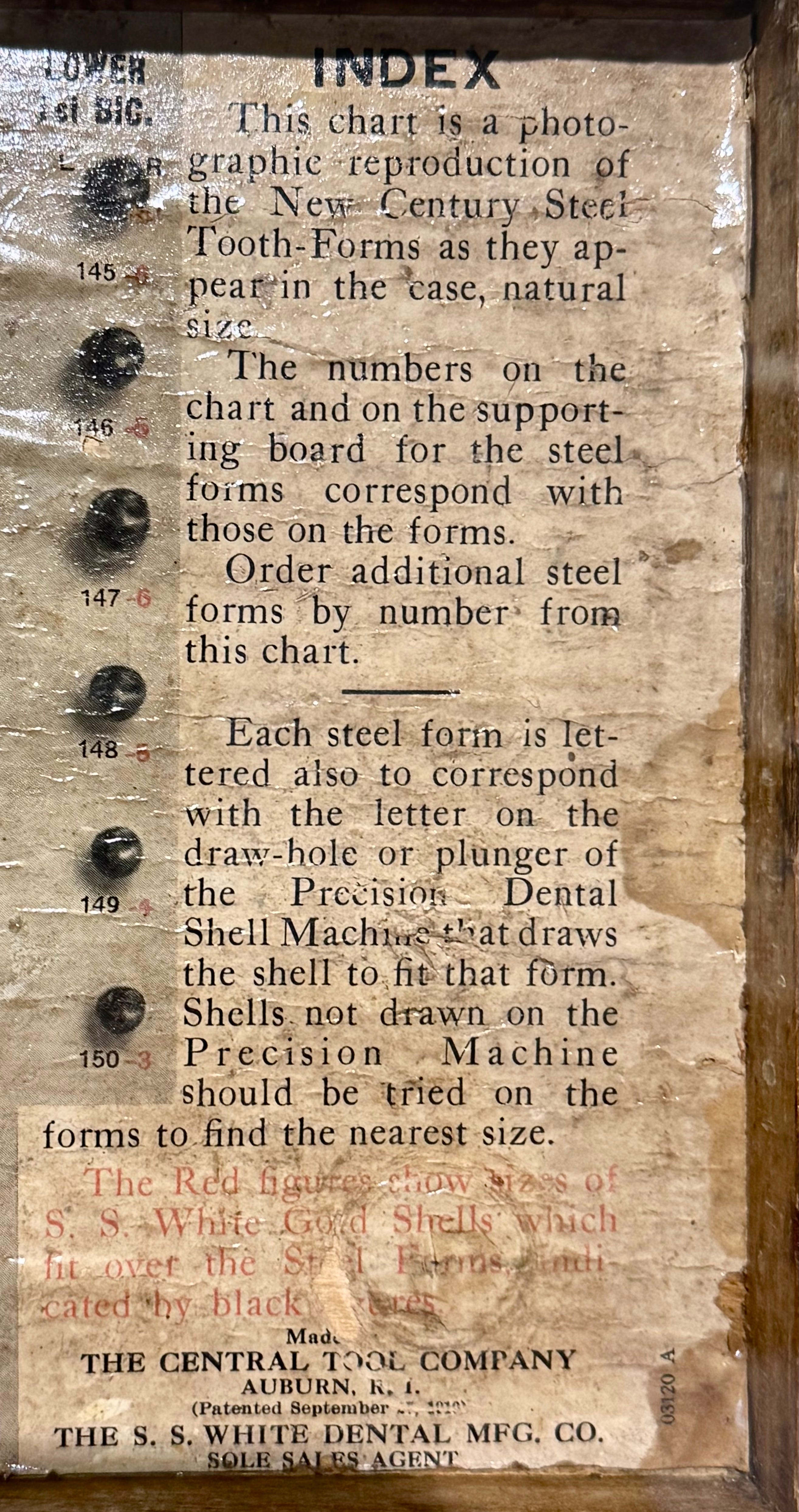
Speaking of teeth, these next three photos show a salesman’s case of “steel tooth-forms” that were apparently marketed to dentists:
Next up is a display of things related to writing — steel pens, nibs, pencil boxes, and typewriter ribbon tins. I still draw with these types of nibs:
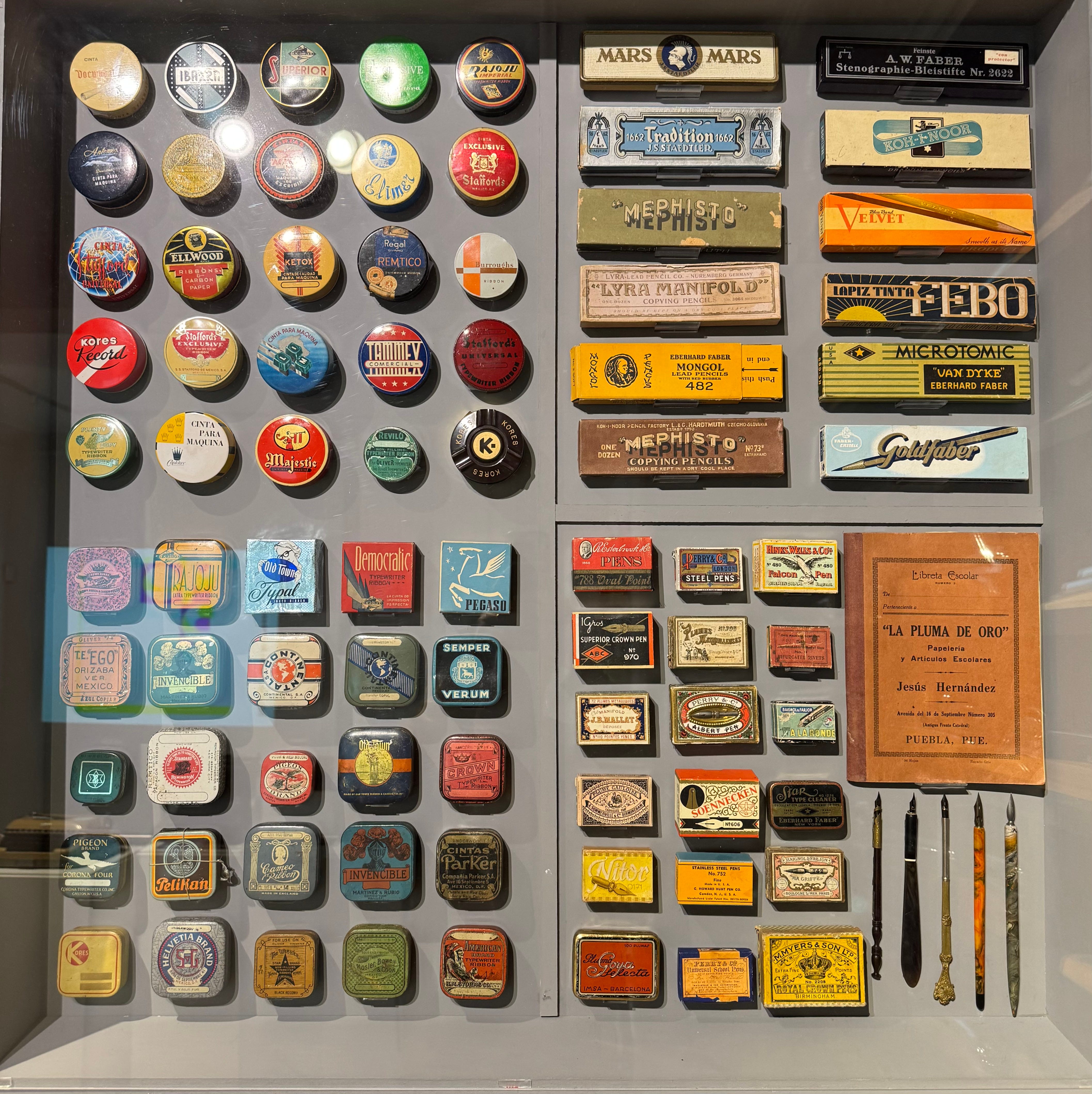
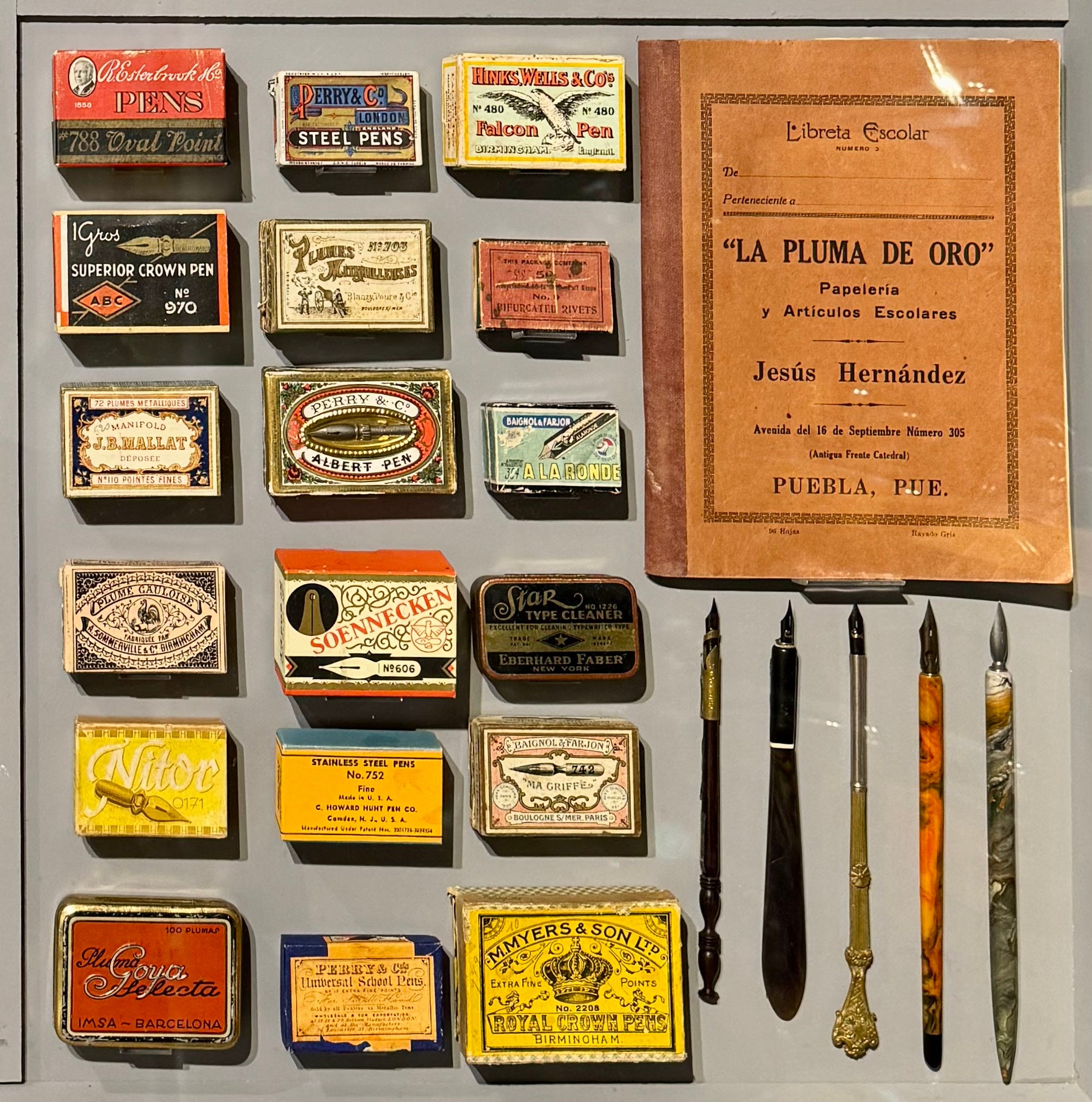
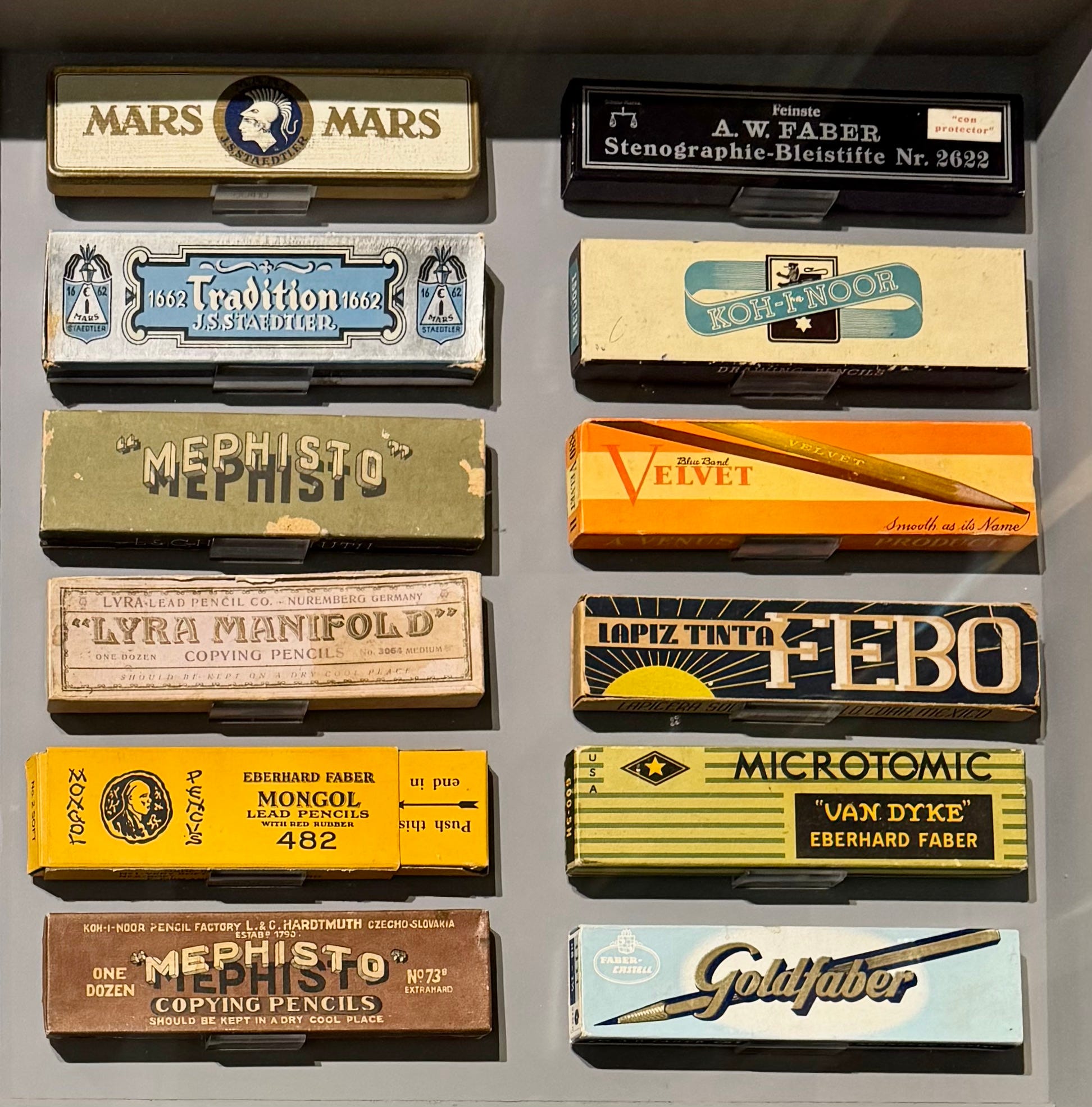
Check out the gorgeous “MEPHISTO” box in that last photo. That shadow — it’s so obviously hand-drawn!
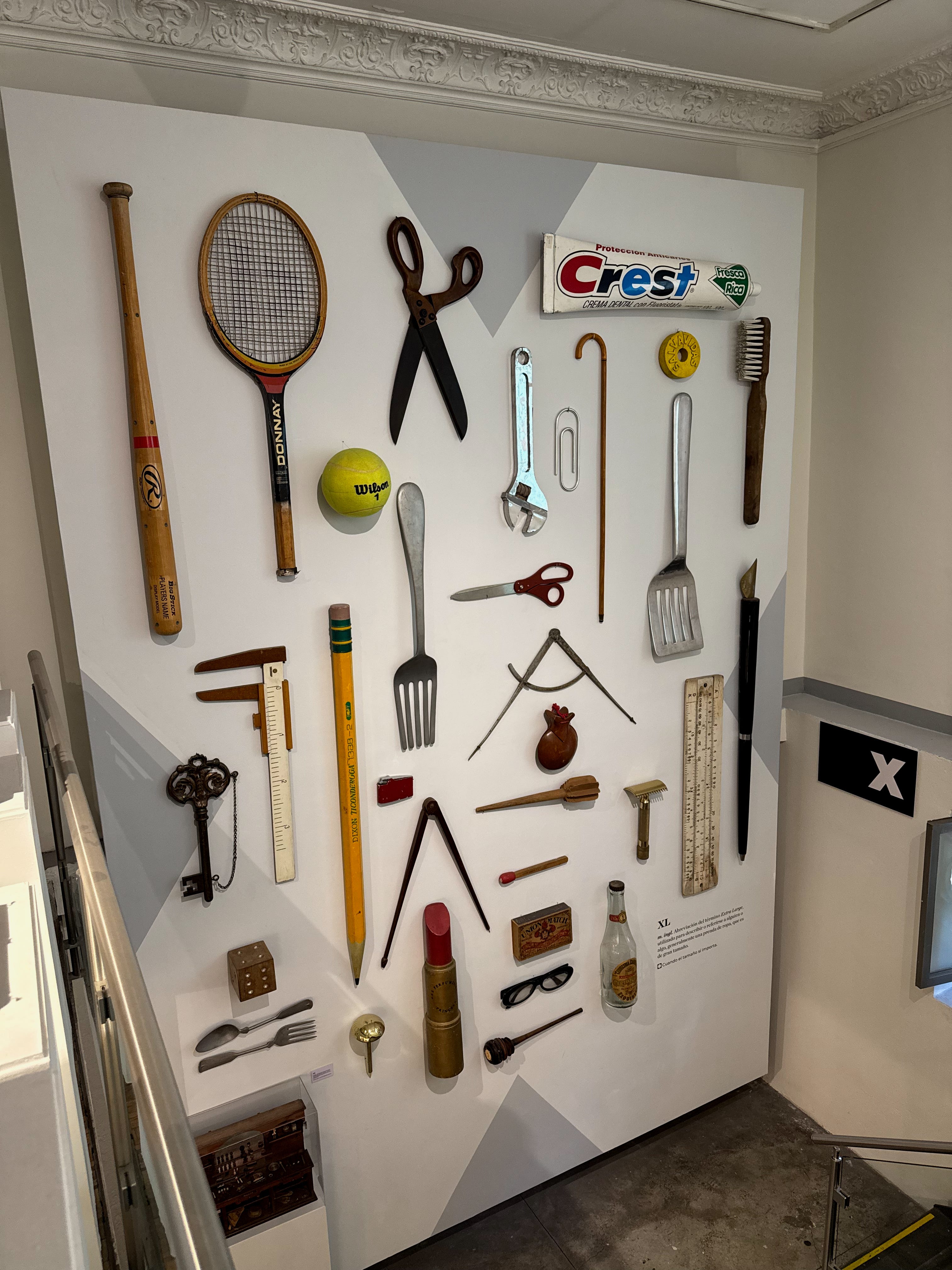
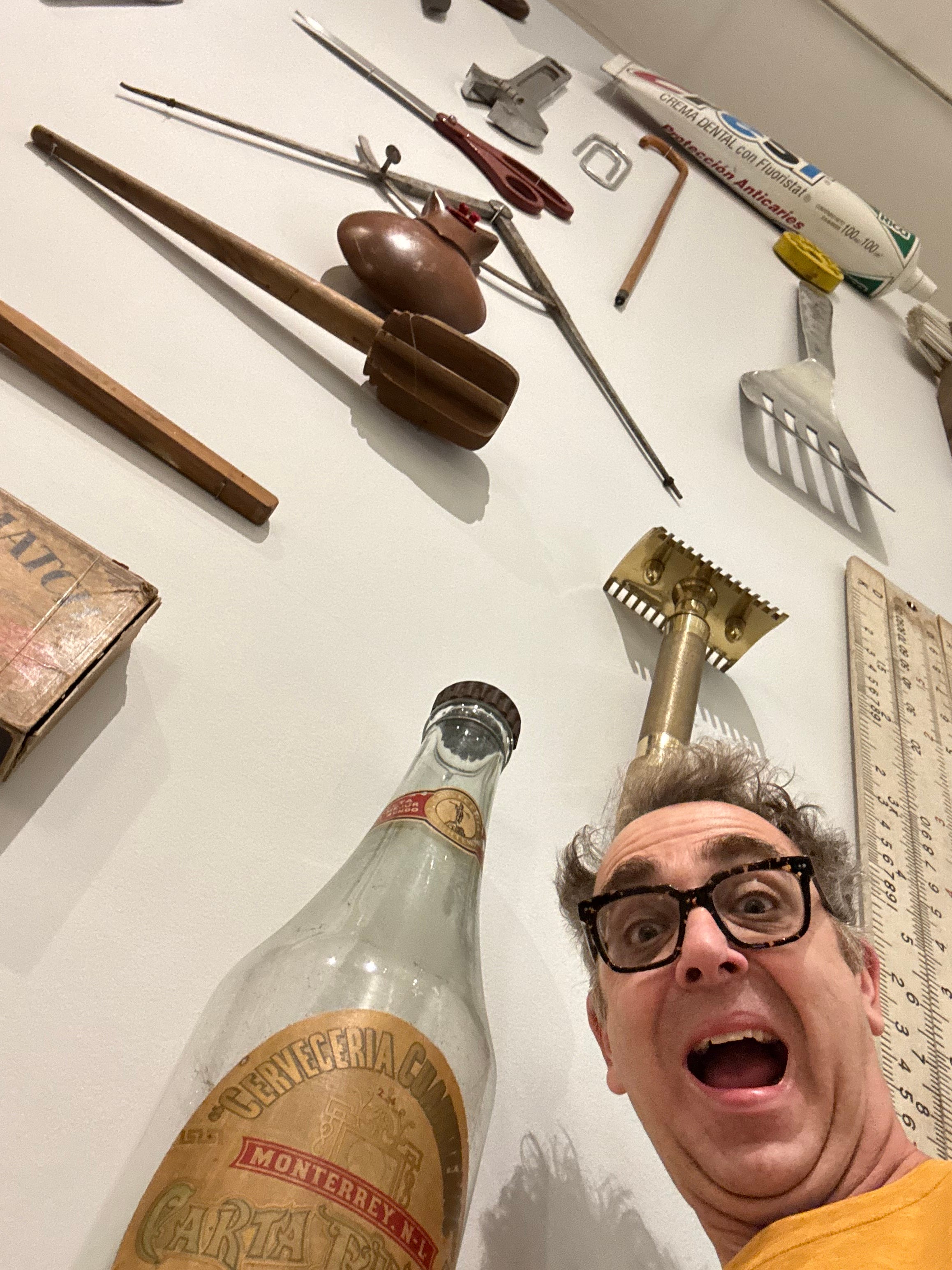
A stairwell featured this wall of oversized advertising objects. I included myself in the second shot, for scale:
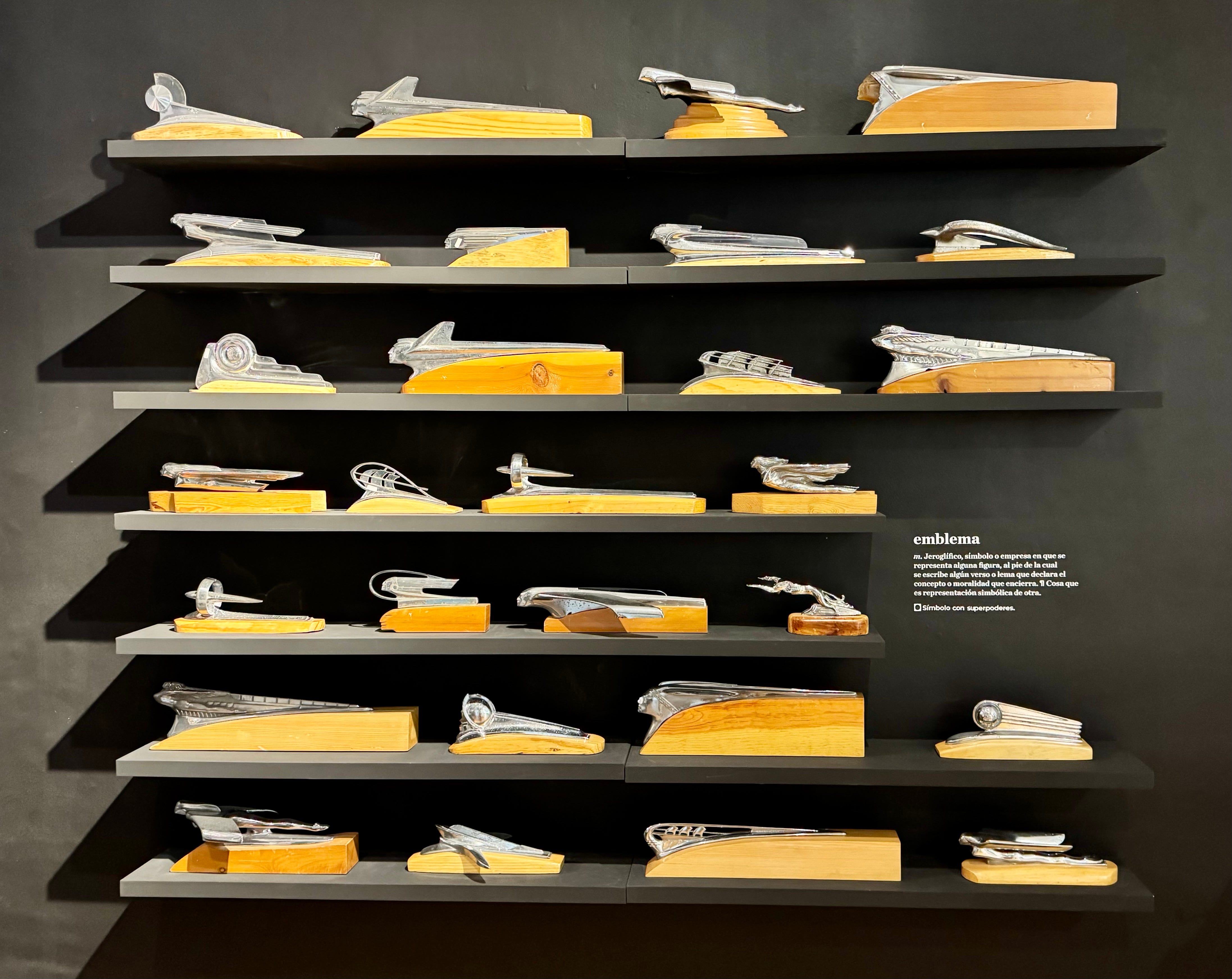
If you’re into car culture, you’ll love this display of vintage automotive hood ornaments:
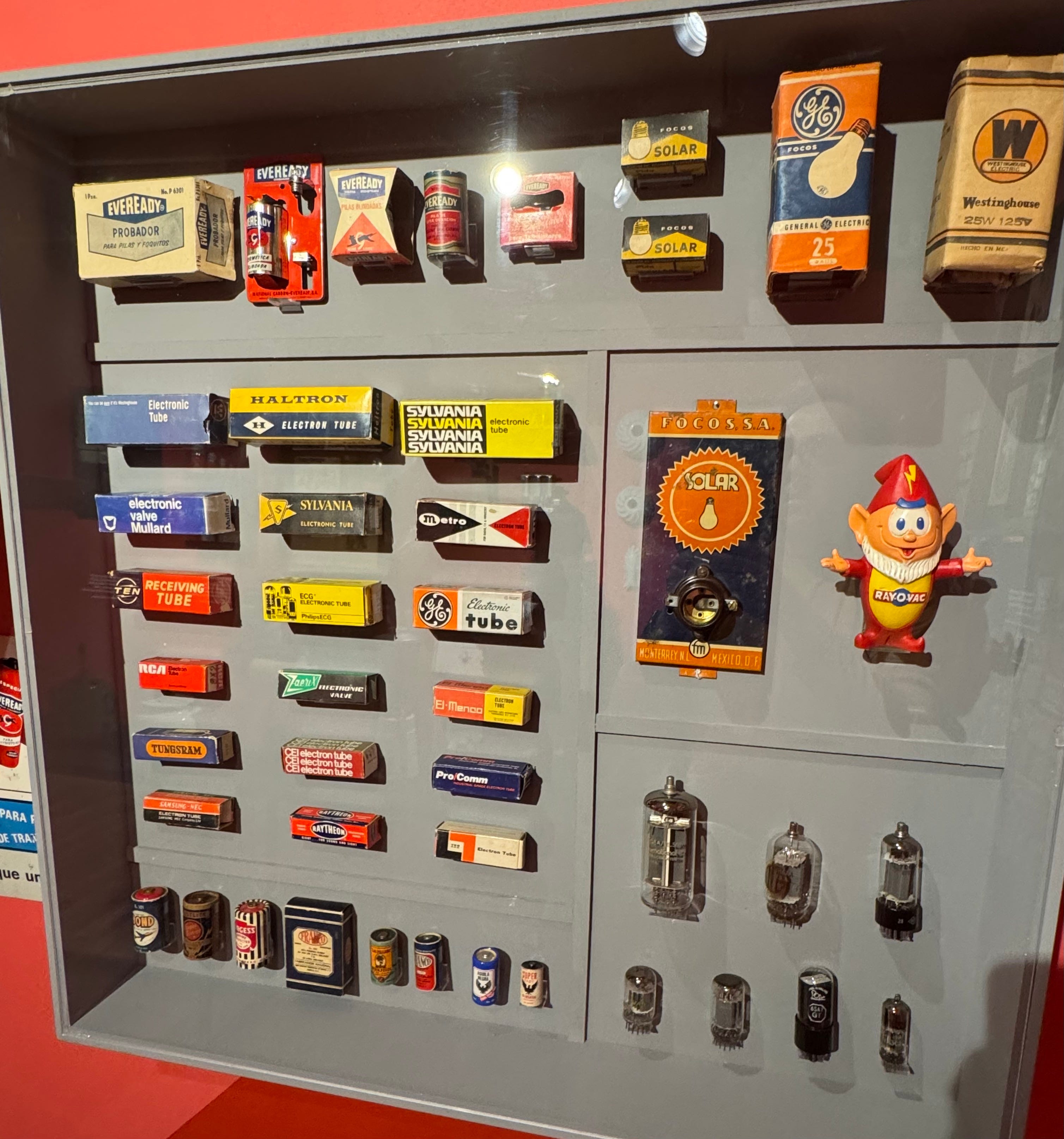
There’s also a section of the museum devoted to lightbulbs and batteries, as seen in these next few photos:
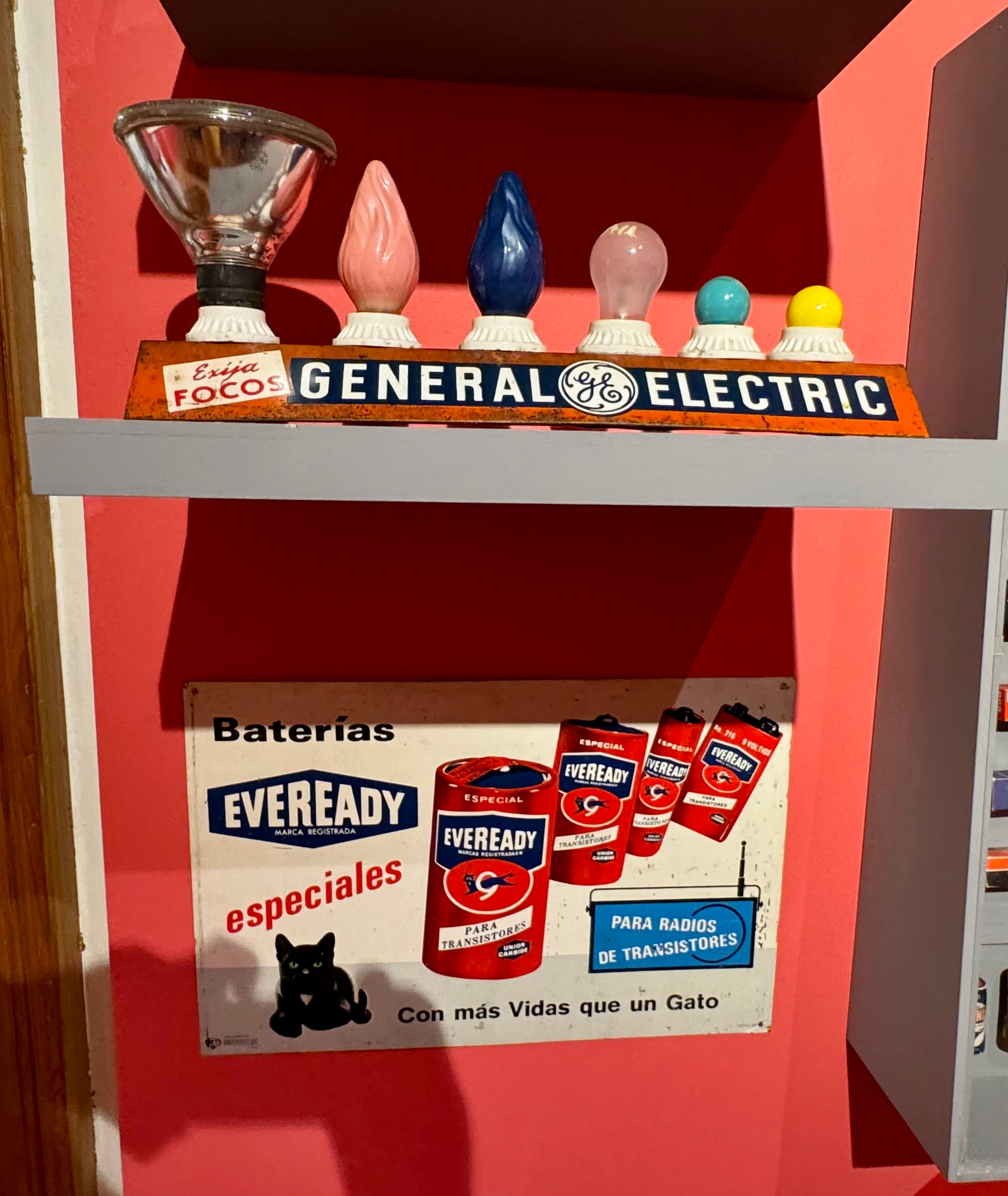
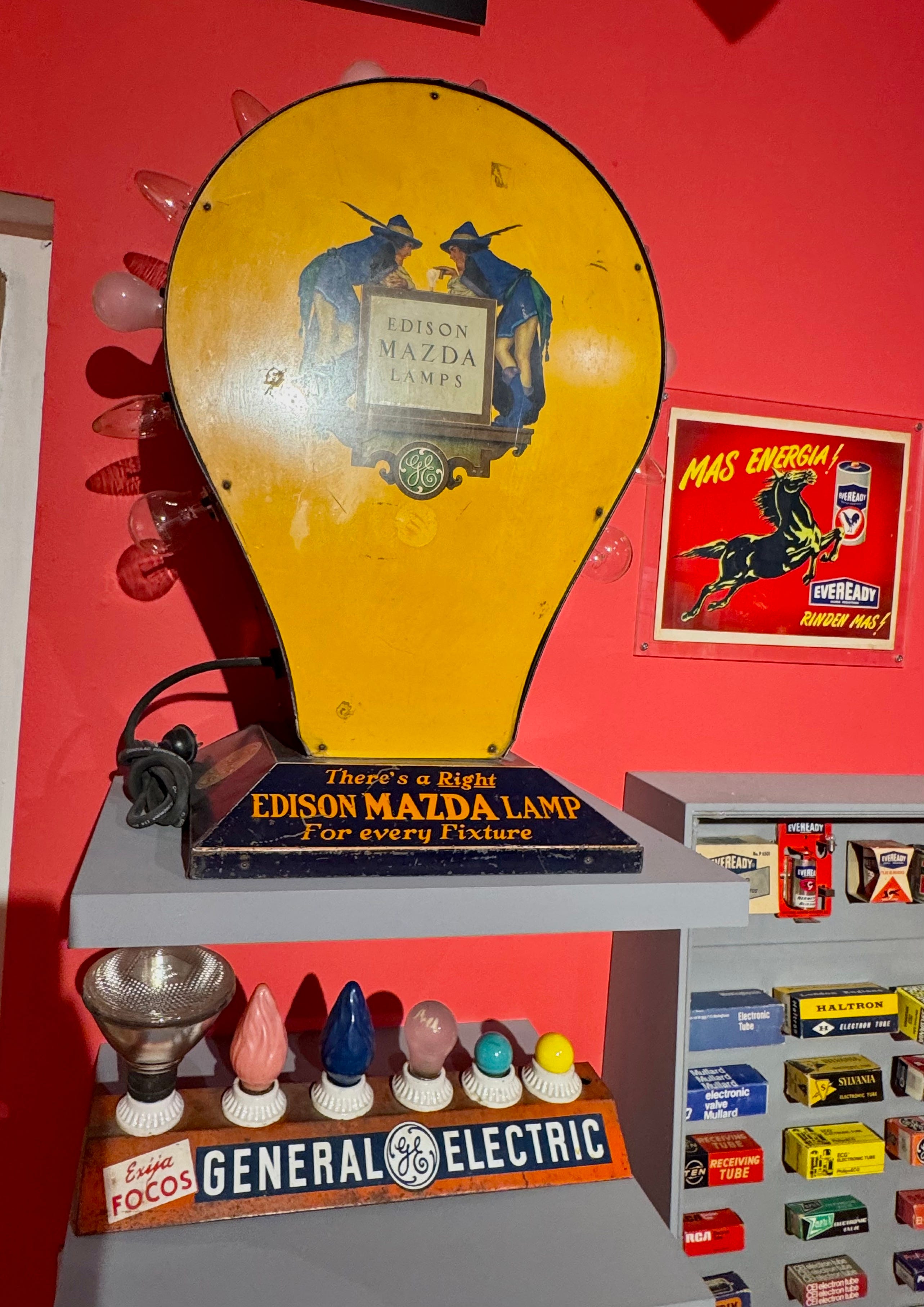
Here are some additional photos I took. The product categories are pretty self-explanatory:
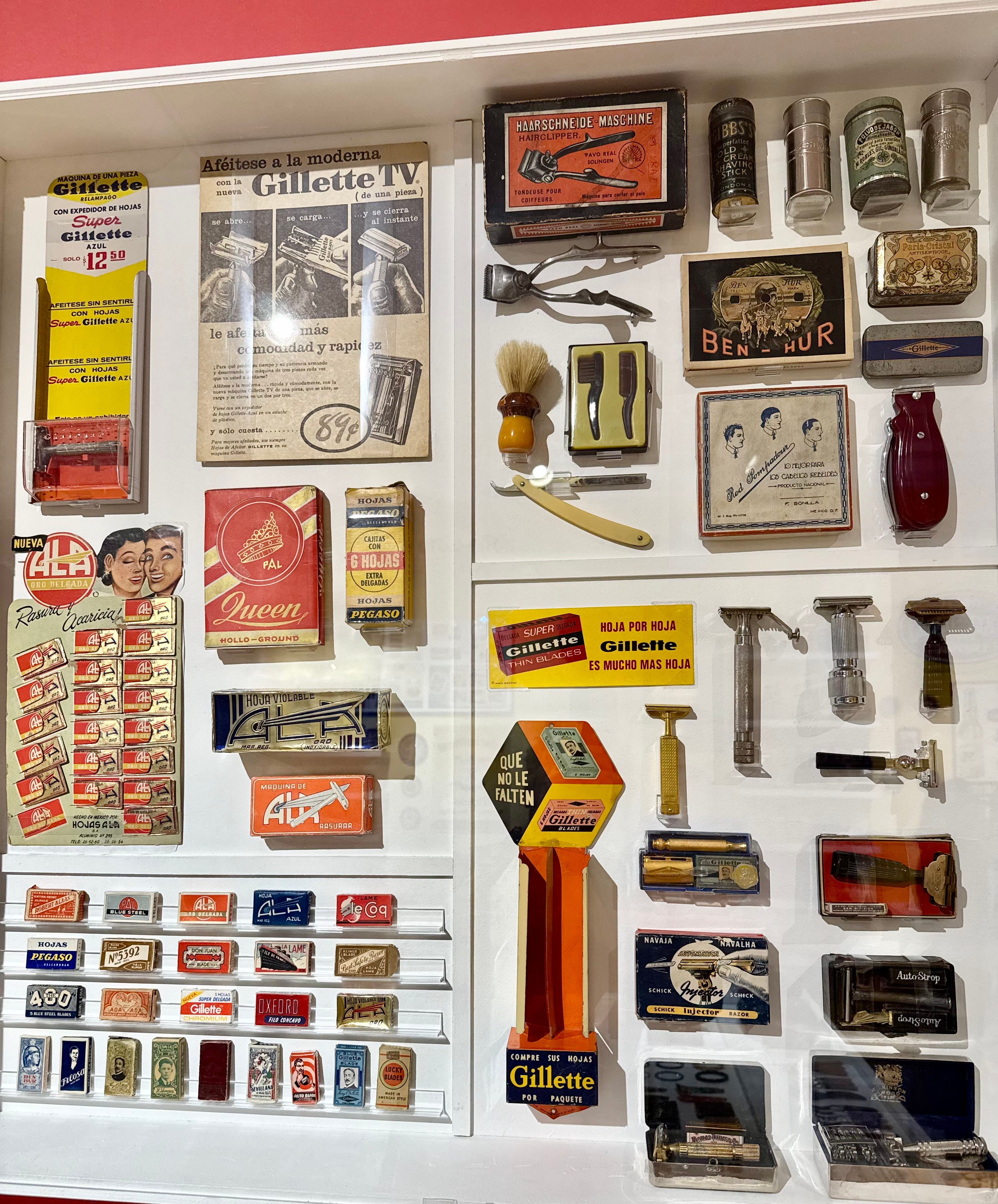
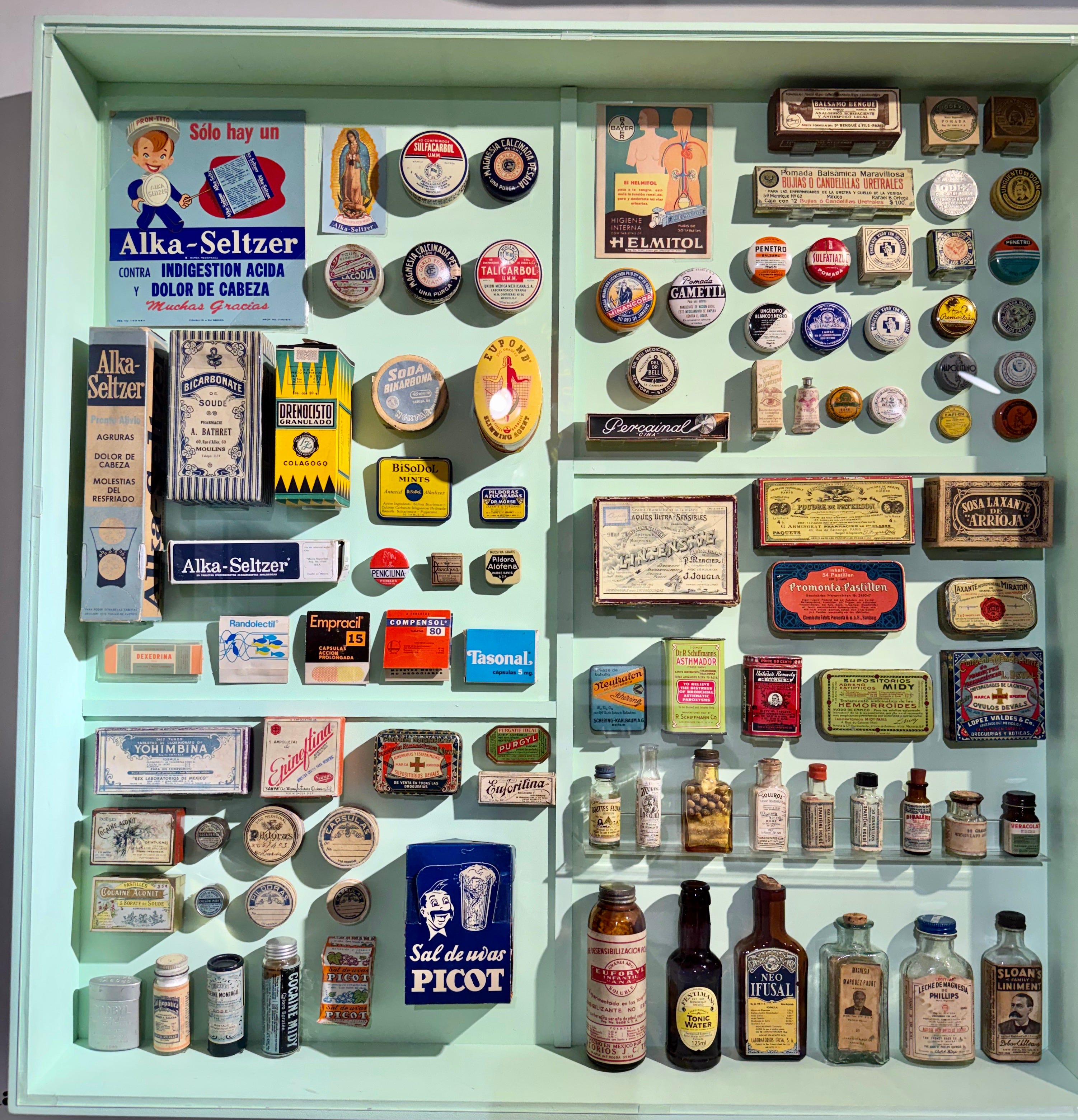
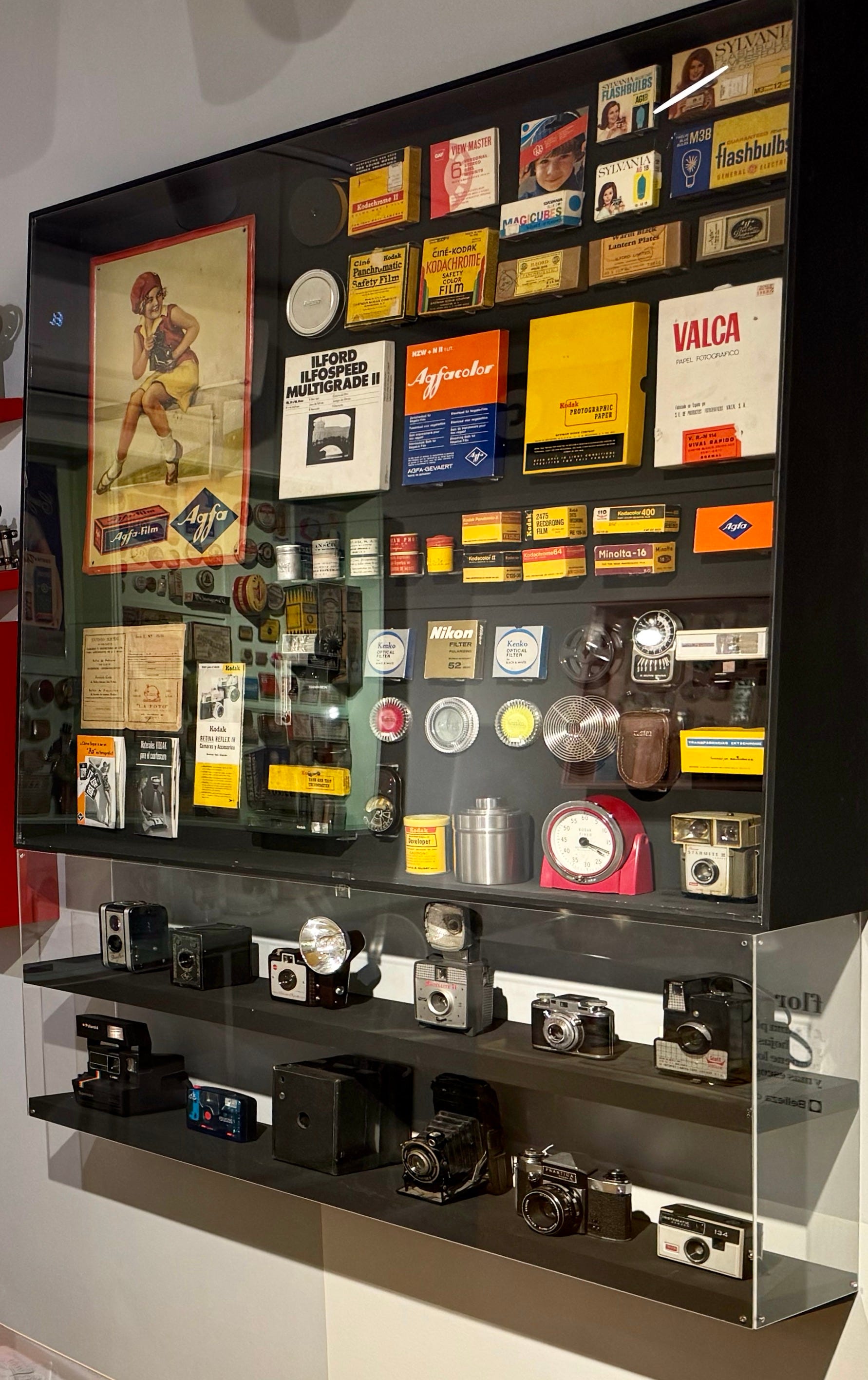
Seeing these rare physical examples of historical graphic design was a real treat. The bold colors, imperfect yet inventive lettering, and intricate hand-made illustrations provided an endless stream of inspiration, and the photographs I took that day will undoubtedly serve as source material for my own lettering and drawings for years to come.
Paul here. Please join me in thanking Scott for sharing this experience with us. Looks like an amazing place! If you want to learn more, here’s the museum’s website and Wikipedia entry.
Paul Lukas has been obsessing over the inconspicuous for most of his life, and has been writing about those obsessions for more than 30 years. You can contact him here.
OH MY WORD! Looks like a slice of heaven to me! Thanks Scott!
Loved the visual insight to this museum of disparate, diverse, delights. Goes to show that if done correctly, any group of objects are worthy of being museumized. Fondly, Michael