

Note: This post is not paywalled. Enjoy! — Paul.
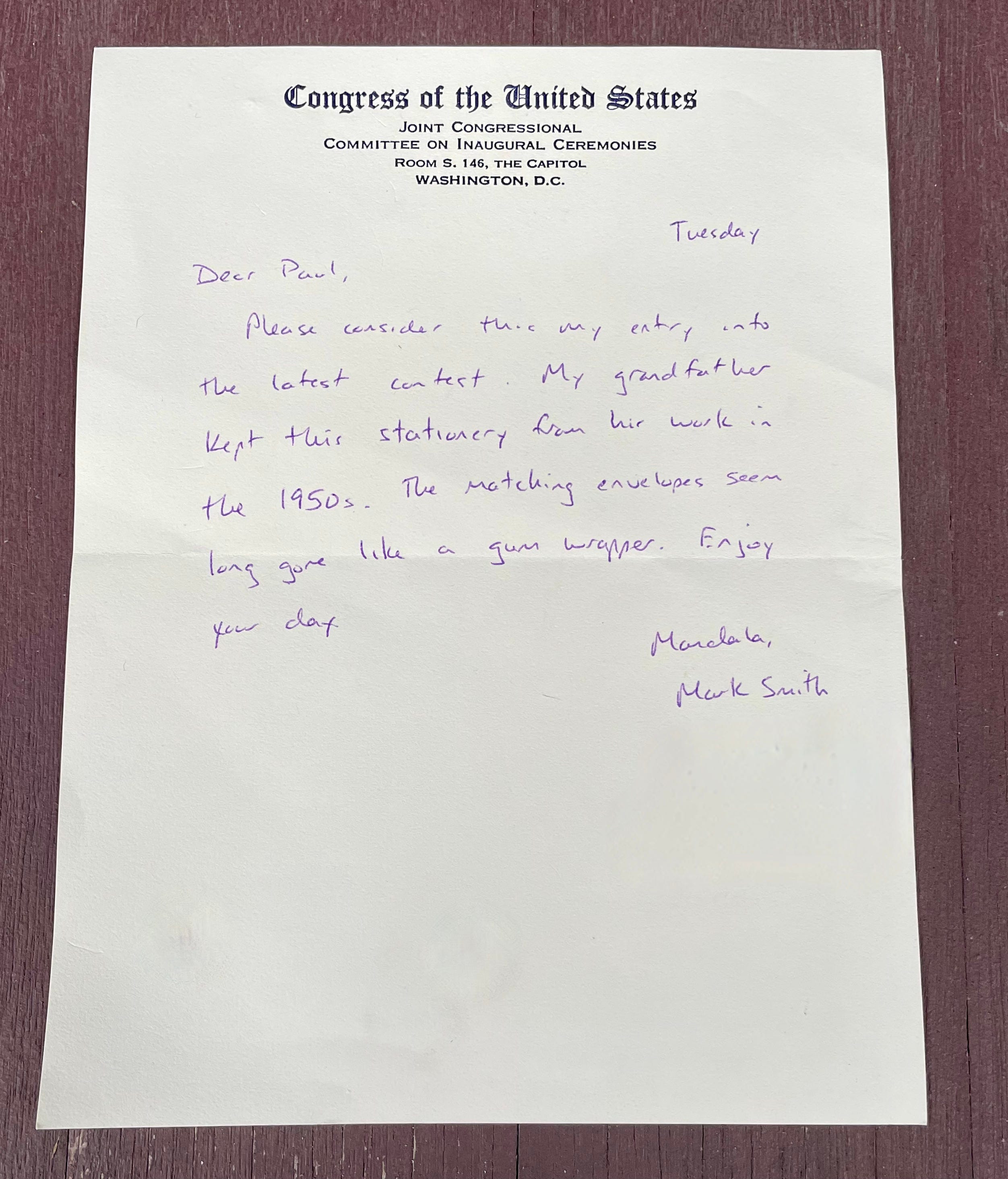
For the past year or so I’ve been conducting raffles with an unusual stipulation: To enter, you have to mail me a handwritten letter in a hand-addressed envelope. This has led to some interesting missives, including the one shown above, which I recently received from reader Mark Smith.
As you can see, Mark’s raffle entry was written on letterhead from the Joint Congressional Committee on Inaugural Ceremonies (which I’d never heard of before, although it’s been in existence since 1901). Mark referenced the letterhead in his note, writing, “My grandfather kept this stationery from his work in the 1950s.”
Naturally, I was intrigued, so I contacted Mark and asked about his grandfather (while resisting the urge to mention how he’d written his letter in purple ink, presumably just to fuck with me). That kicked off a good back-and-forth that resulted in a really interesting piece that Mark has guest-written for us today. Enjoy!
My Grandfather’s Elite Washington DC Ticket Collection
By Mark Smith
You wouldn’t typically describe someone with a 57-year Senate career as “inconspicuous,” but that’s the case with my grandfather, J. Mark Trice, who served in the Senate in various administrative capacities. He began as a 14-year-old page in 1916, retired as Republican party secretary in 1973, and had several additional jobs and titles in between. But while he was well-known in the halls of the Capitol, he was largely unknown to the general public.
I suspect that was just the way he liked it. Despite his close association with powerful people and institutions, he did not often speak about his work. After he retired, the Senate Historical Society repeatedly attempted to interview him, but he consistently refused. He likely heeded the advice given by Senator Matthew Quay to Carl Loeffler, whose own 50-year Senate career followed a career arc similar to my grandfather’s: “My boy, if you wish to succeed, keep your eyes and ears open and your mouth shut.”
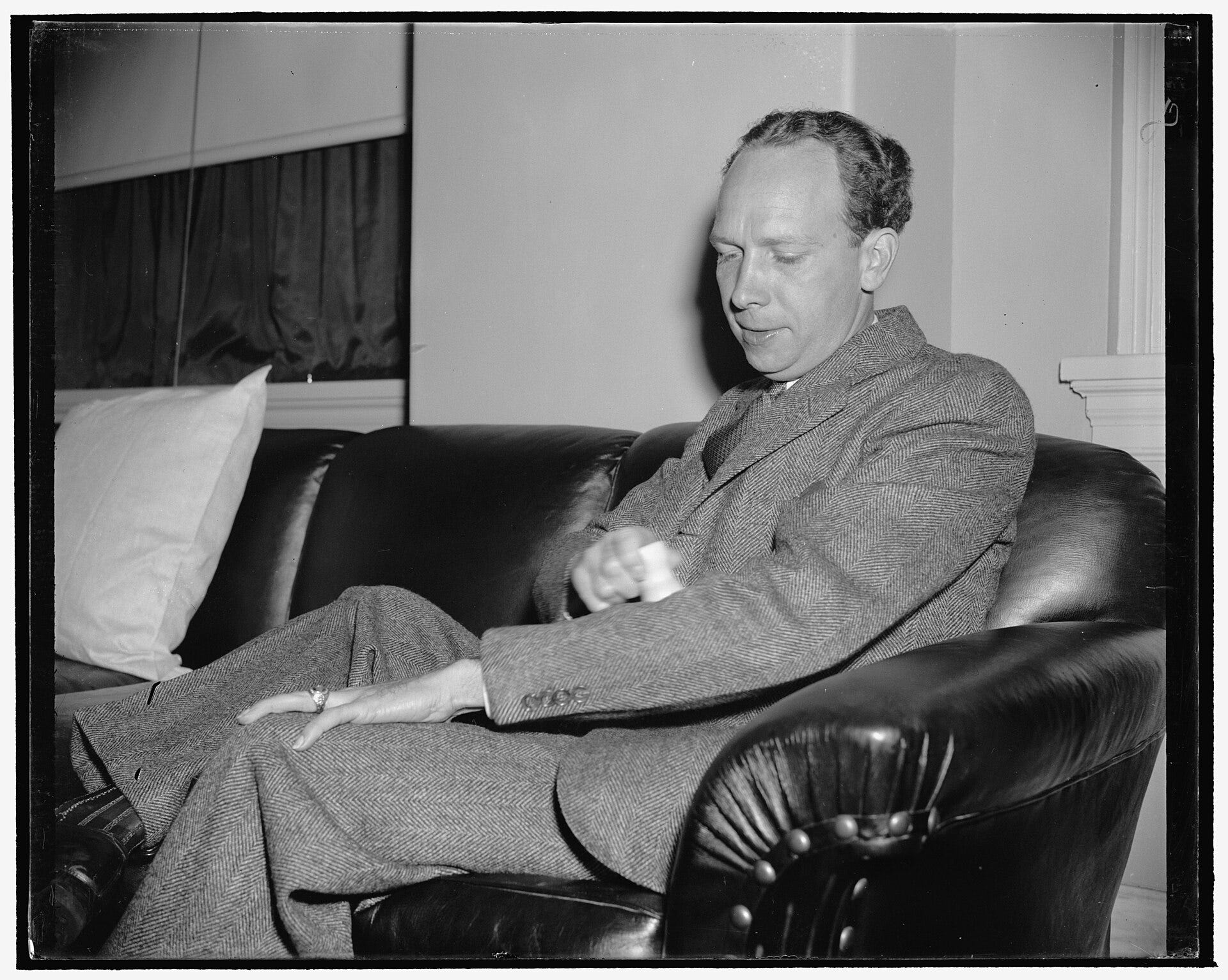
My grandfather did, however, save numerous mementos of his long and distinguished career. Many of them are tickets, passes, and other credentials that provided entry to various events or spaces. Taken together, they provide a sense of the rarefied access that my grandfather had, and how so much of Washington runs on that kind of access.
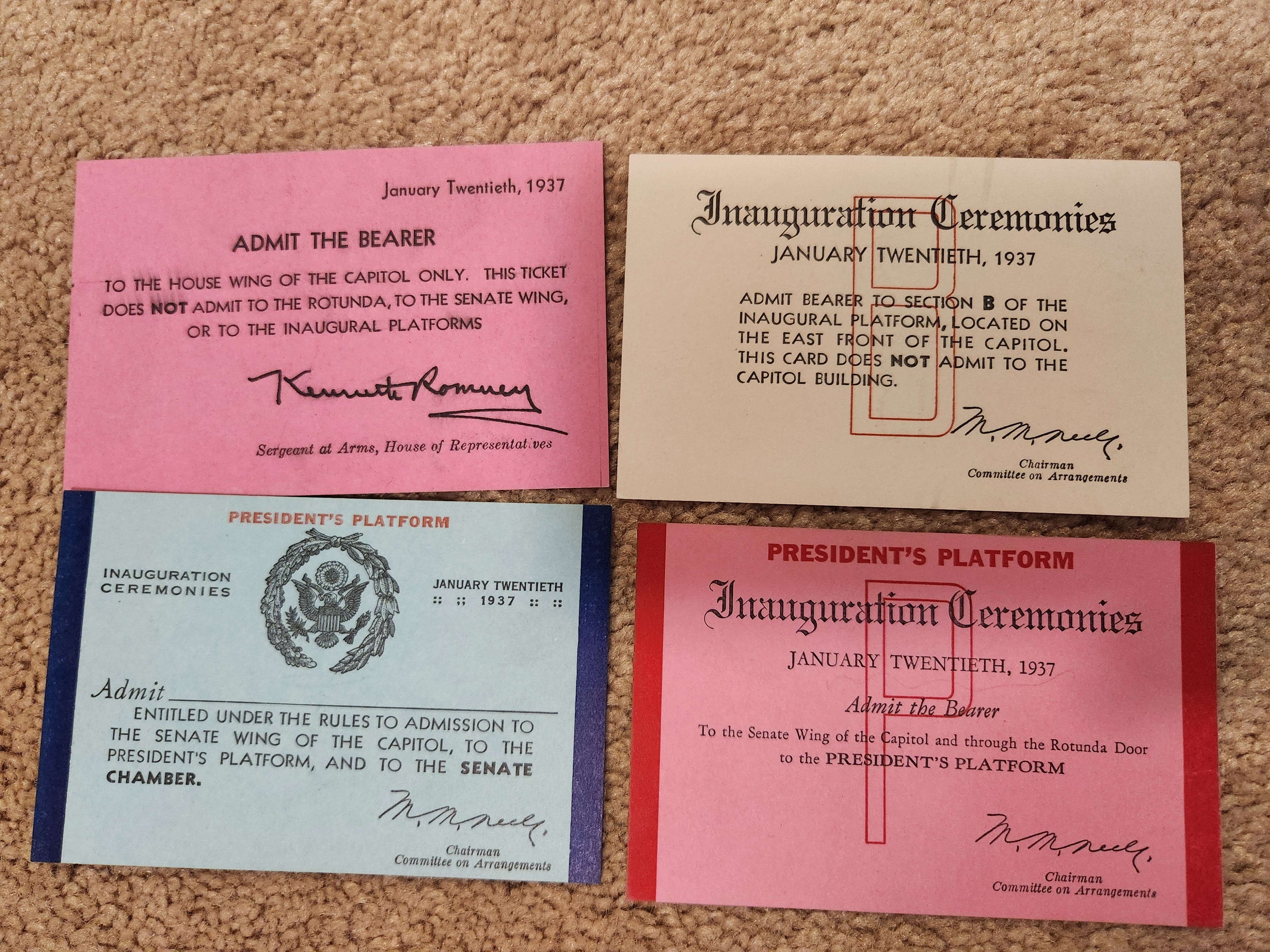
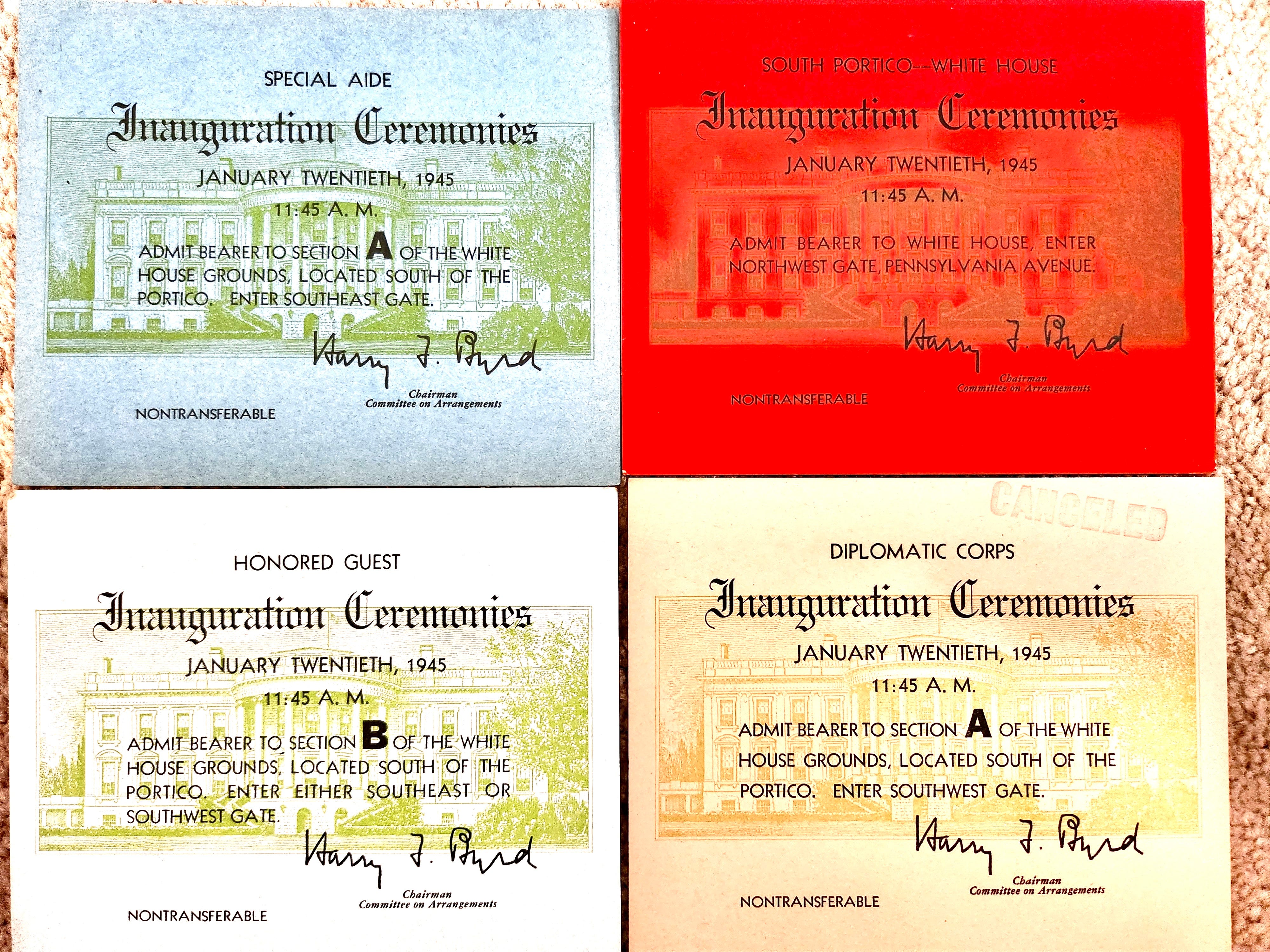
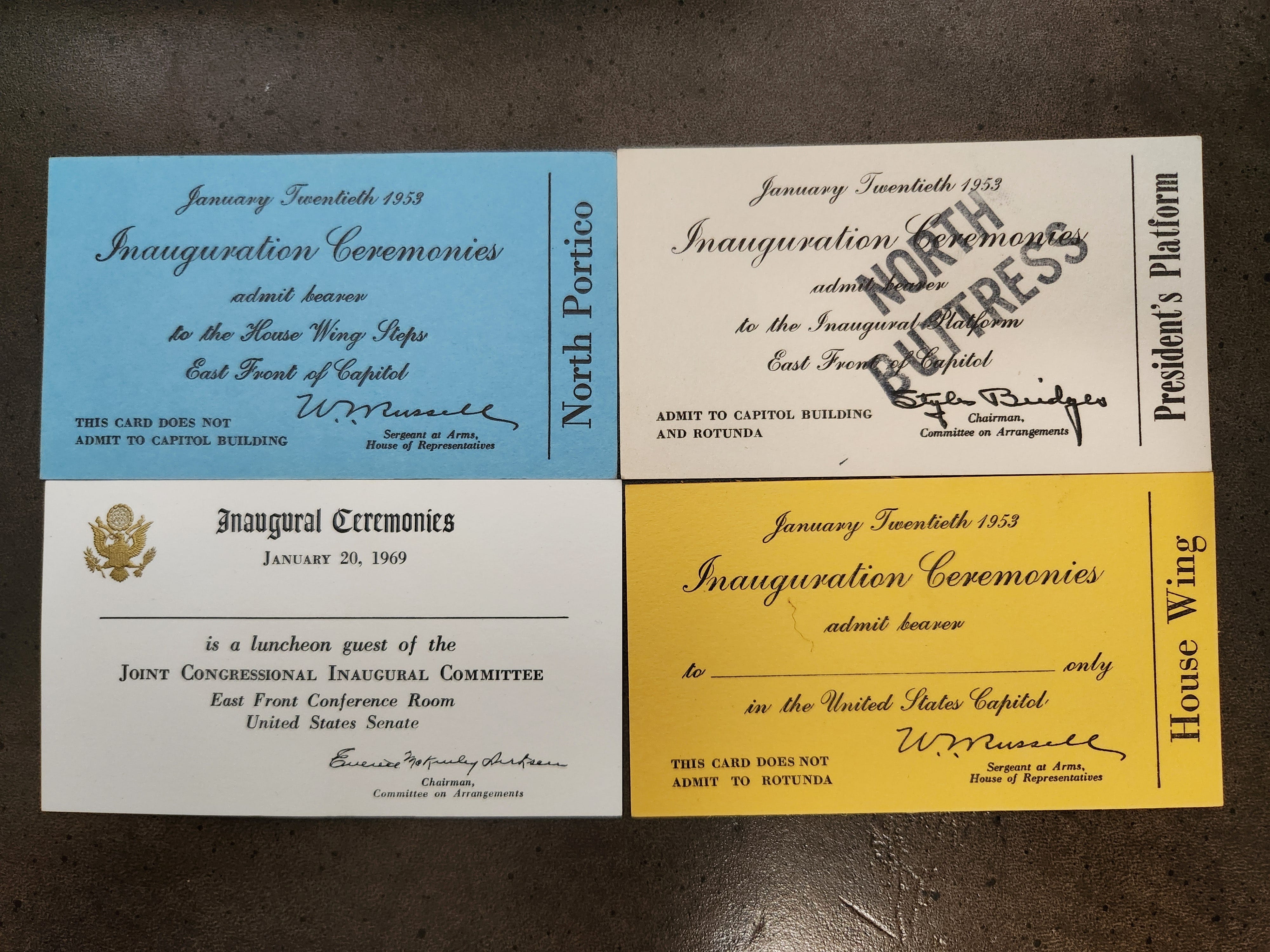
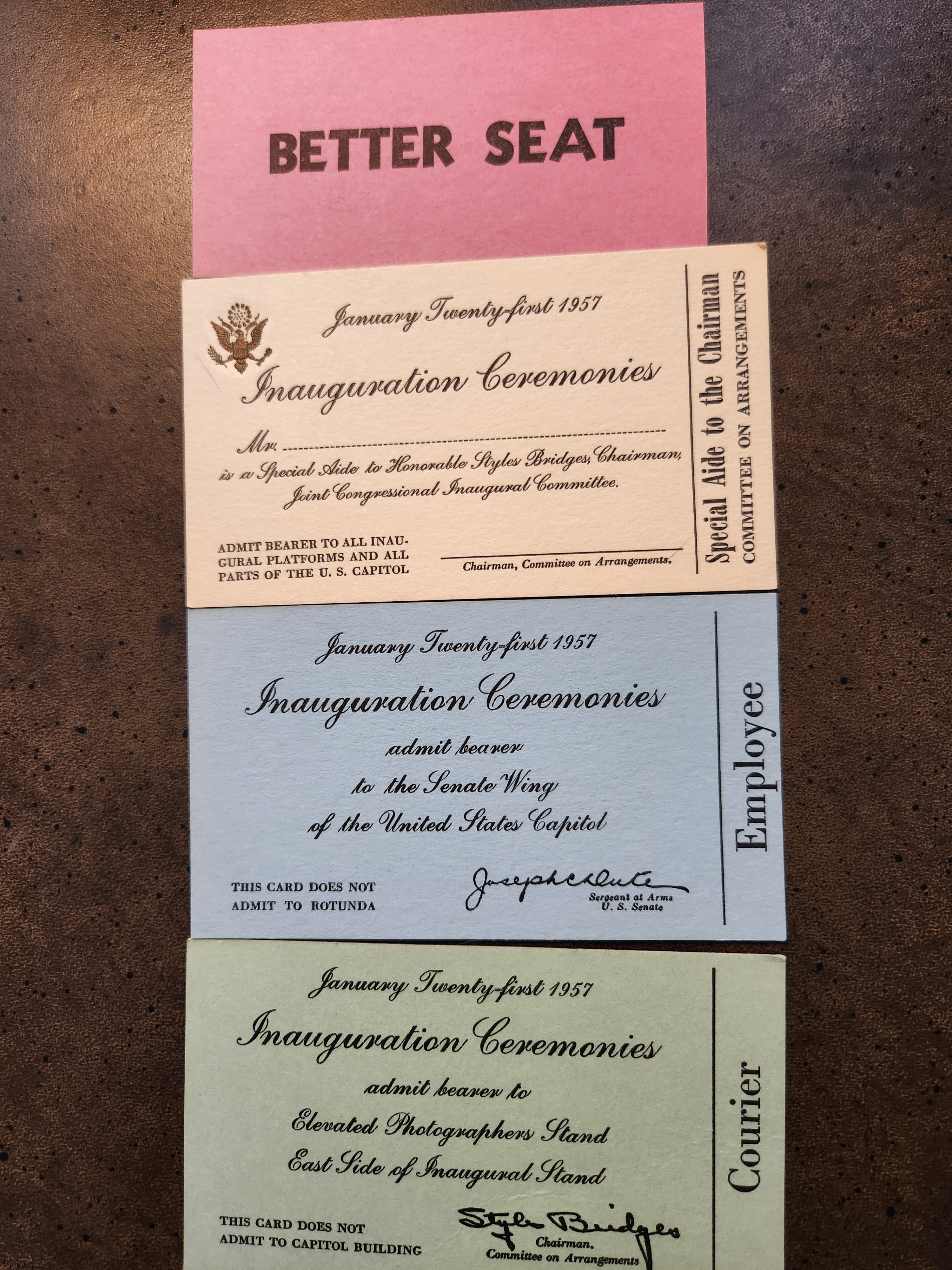
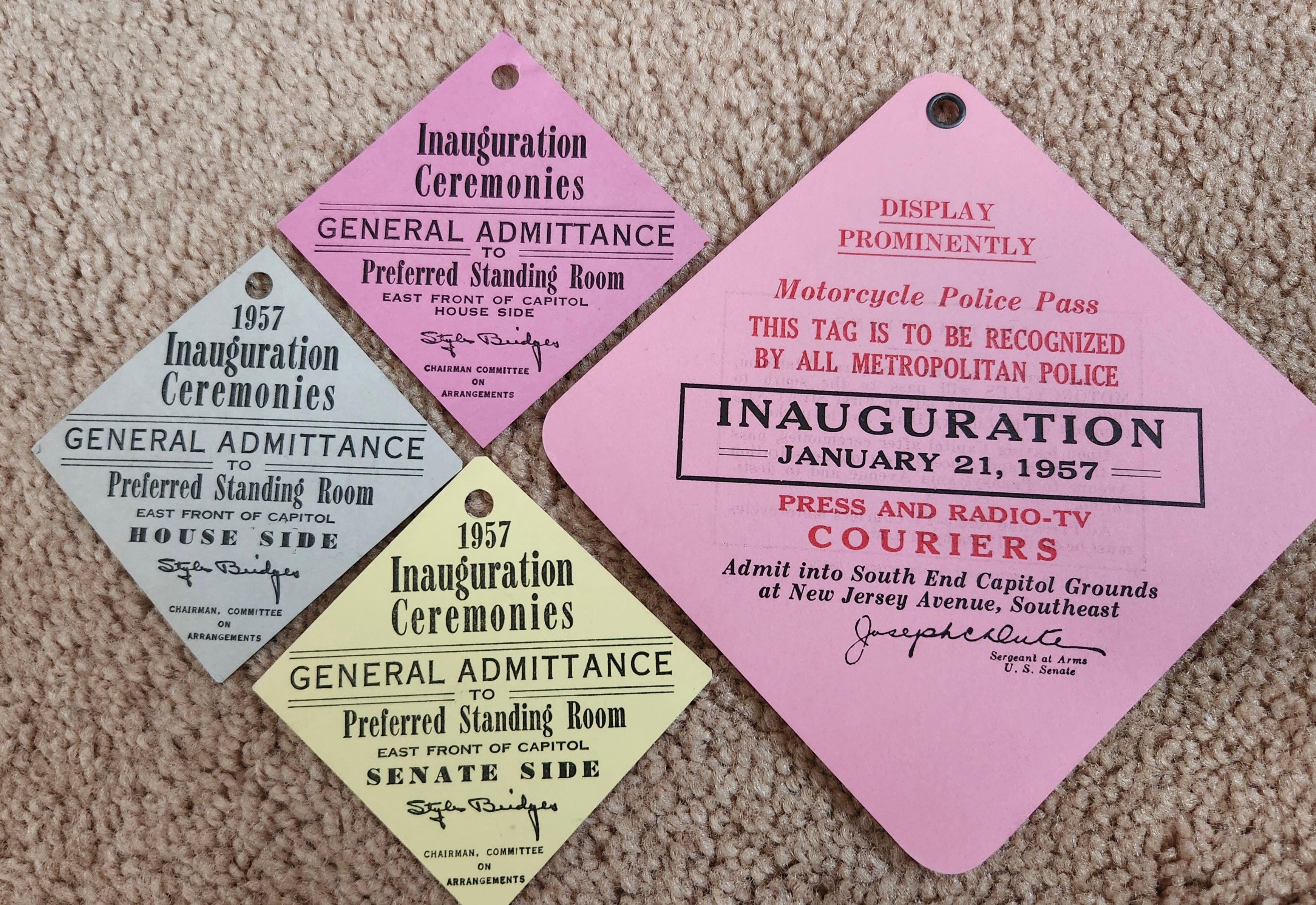
For example, Trice was working as a deputy in the Senate Sergeant at Arms office in early 1933. When the Sergeant at Arms was removed for disparaging comments he made about the Senate in a newspaper article, Trice was made Acting Sergeant at Arms, which put him on the committee to plan president-elect Franklin D. Roosevelt’s first inauguration. That marked the start of Trice’s long connection to presidential inaugurations. Here are some tickets from various inaugural ceremonies he arranged and attended:
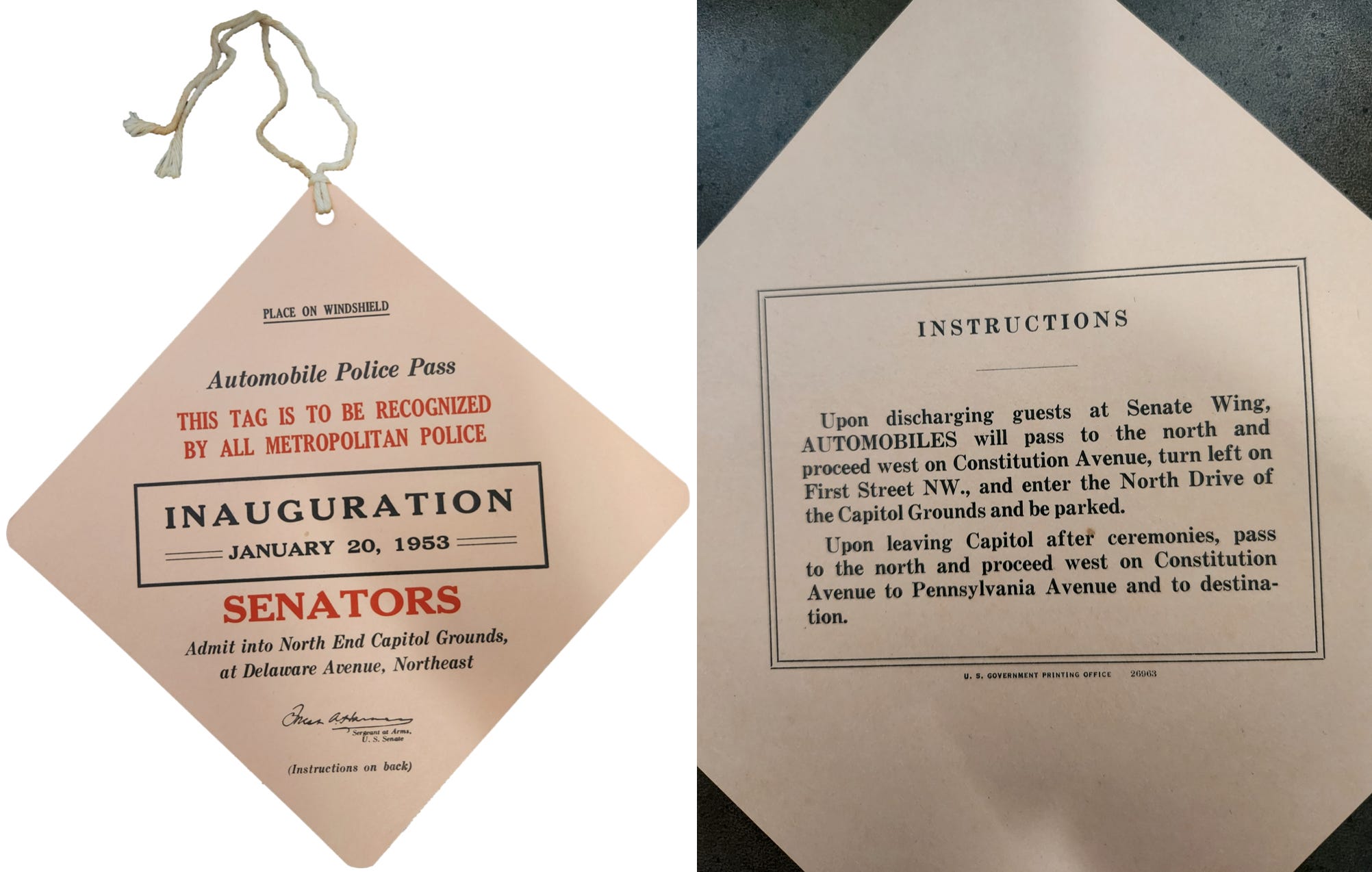
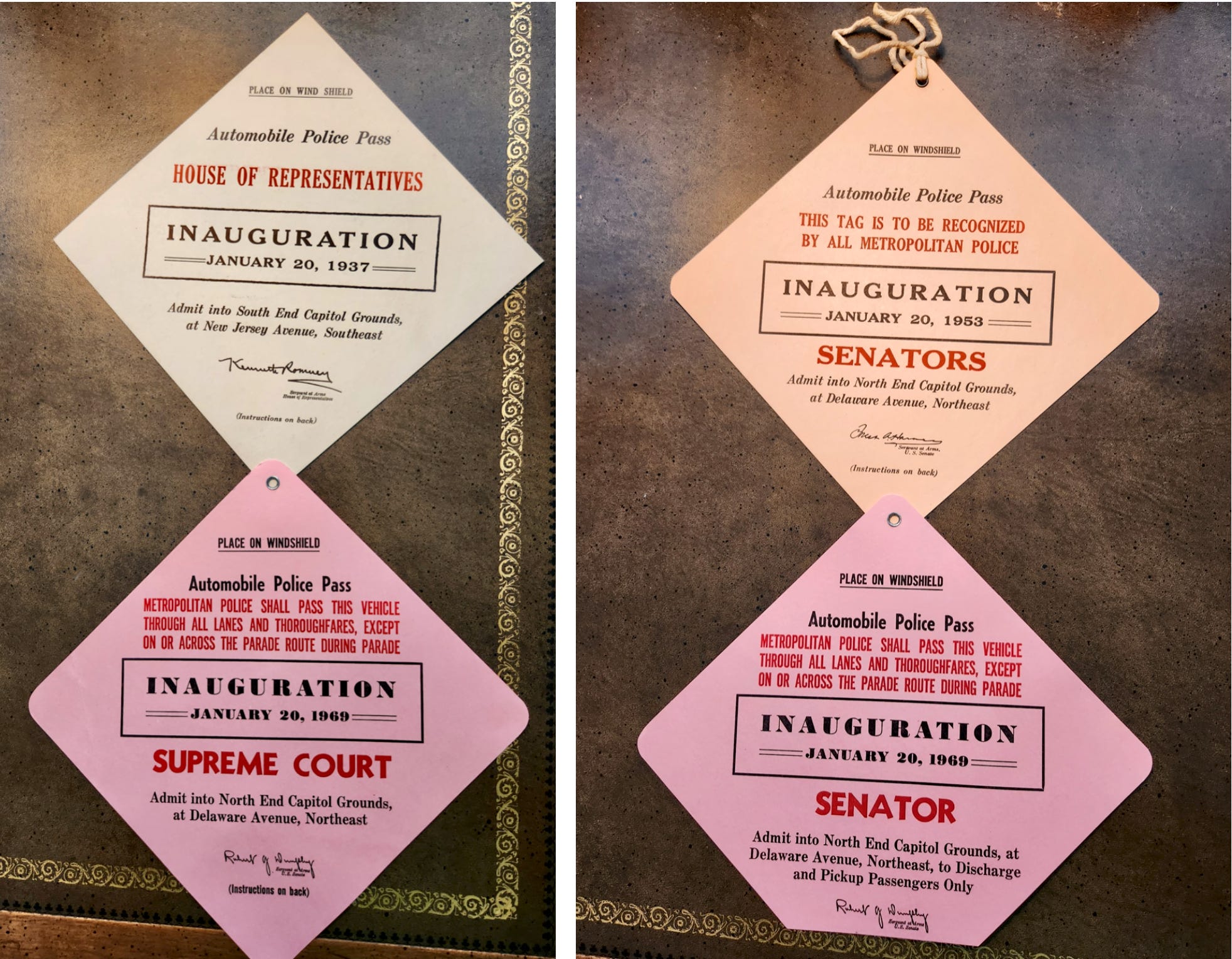
As the Executive Secretary of the Joint Congressional Inaugural Committees, Trice also had access to all sorts of parking passes for different types of attendees. Here’s a representative sampling:
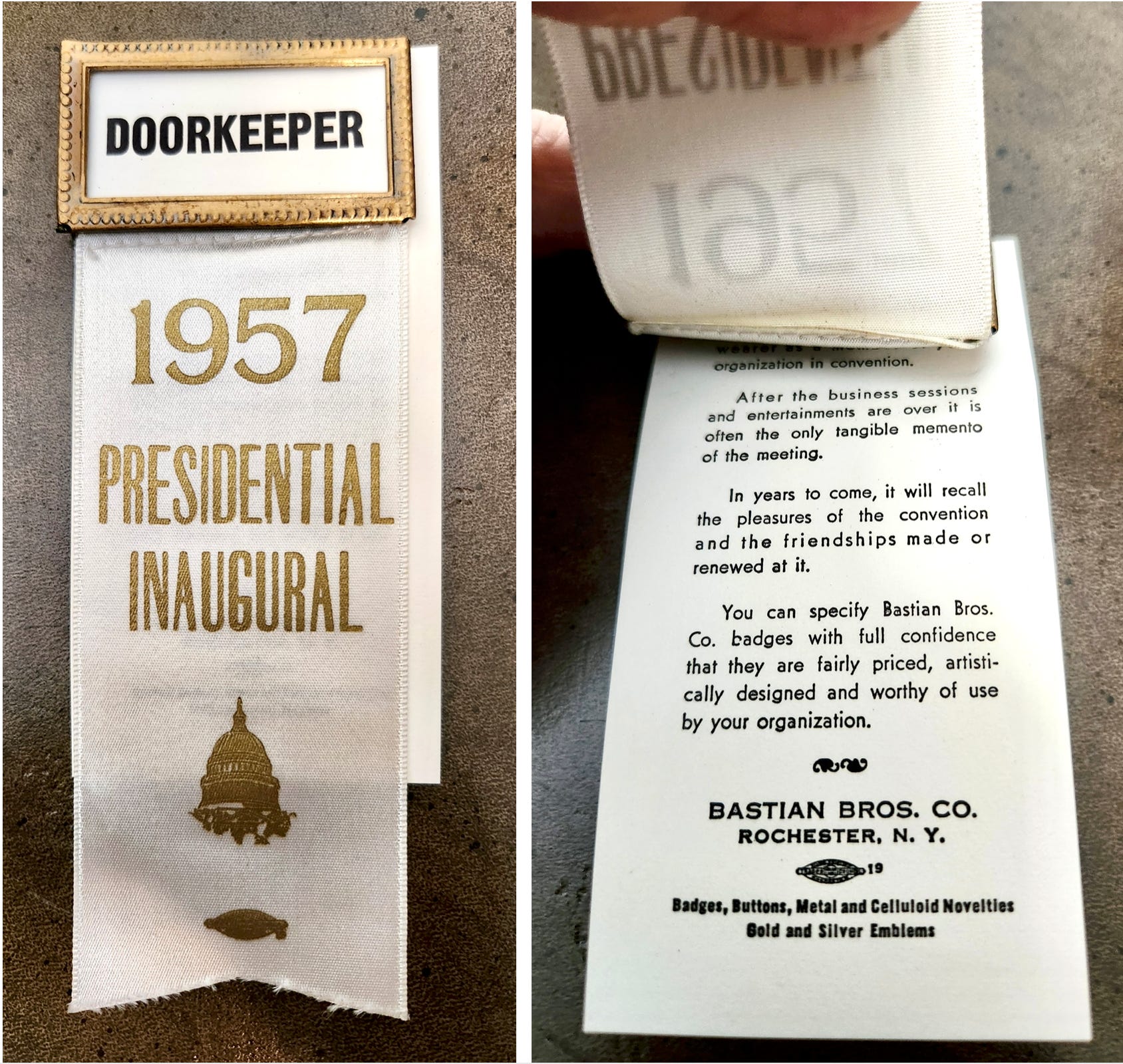
Some officials working at the inaugurations were required to wear badges or ribbons. Here’s one worn by a doorkeeper at Eisenhower’s 1957 ceremony, with the manufacturer’s promotional literature still attached to it:
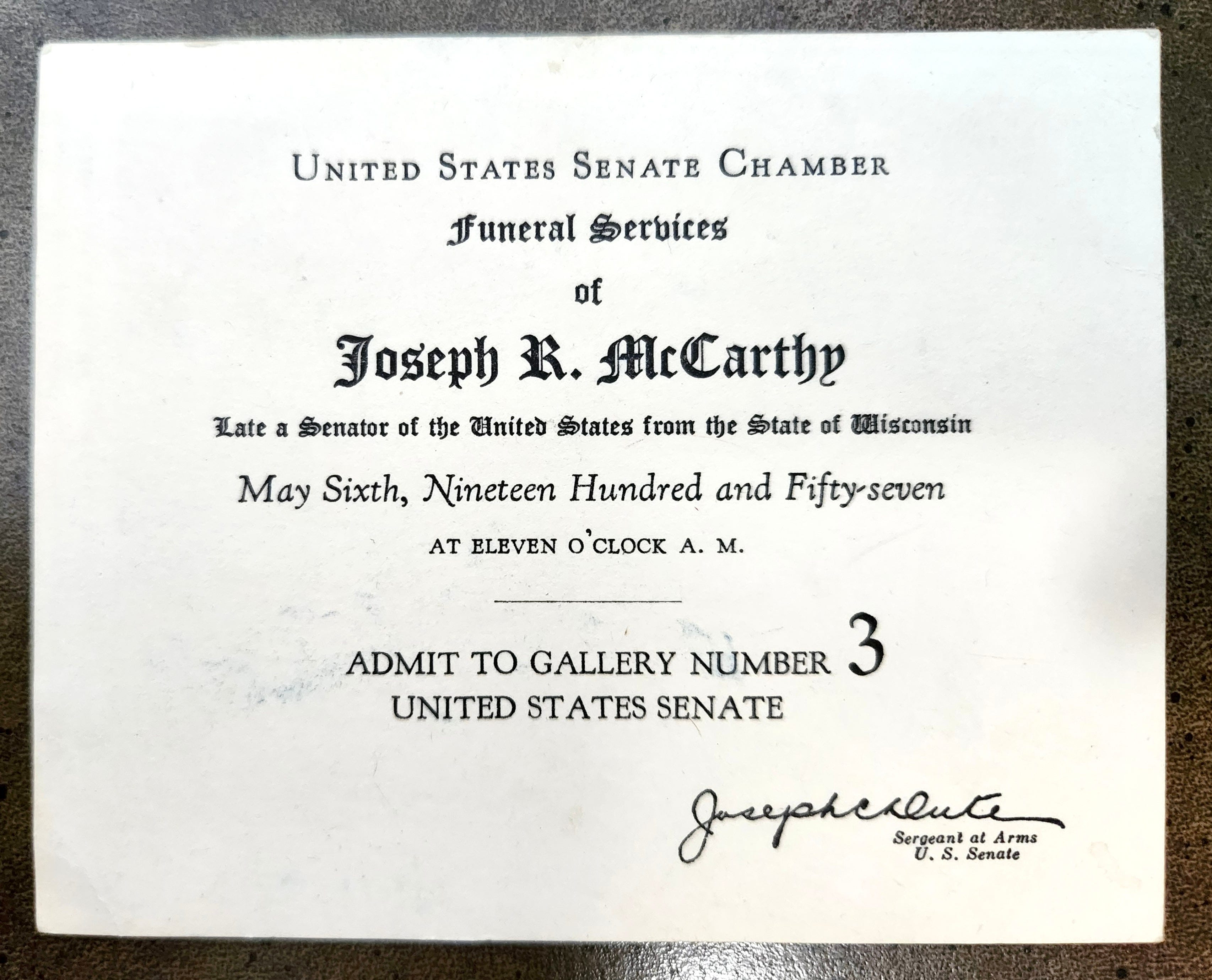
Trice’s duties also involved arranging funerals. After a rash of deaths in the 1940s, he standardized the funeral procedures that were followed after the death of a sitting Senator. And funerals, like inaugurations, require tickets:
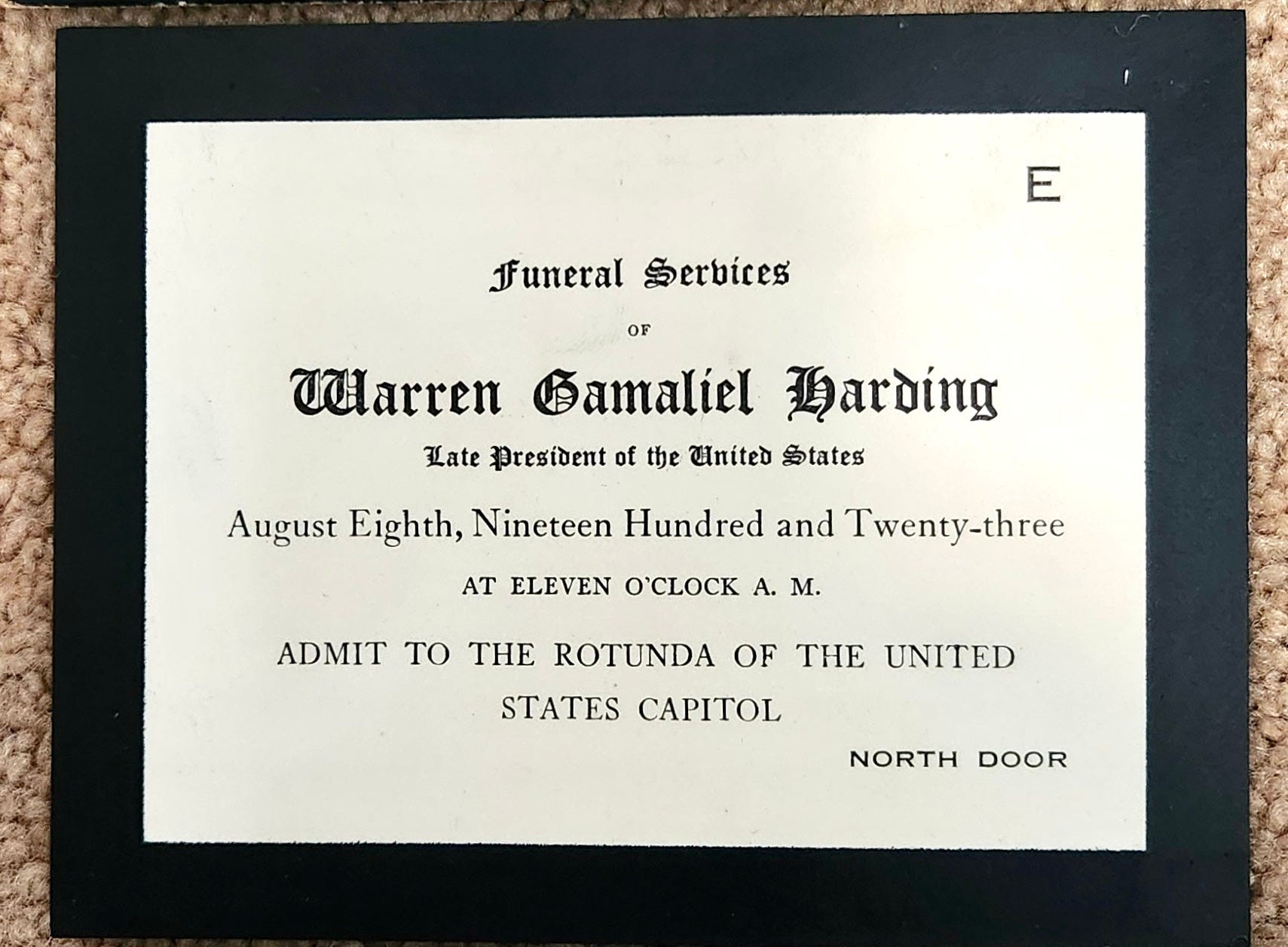
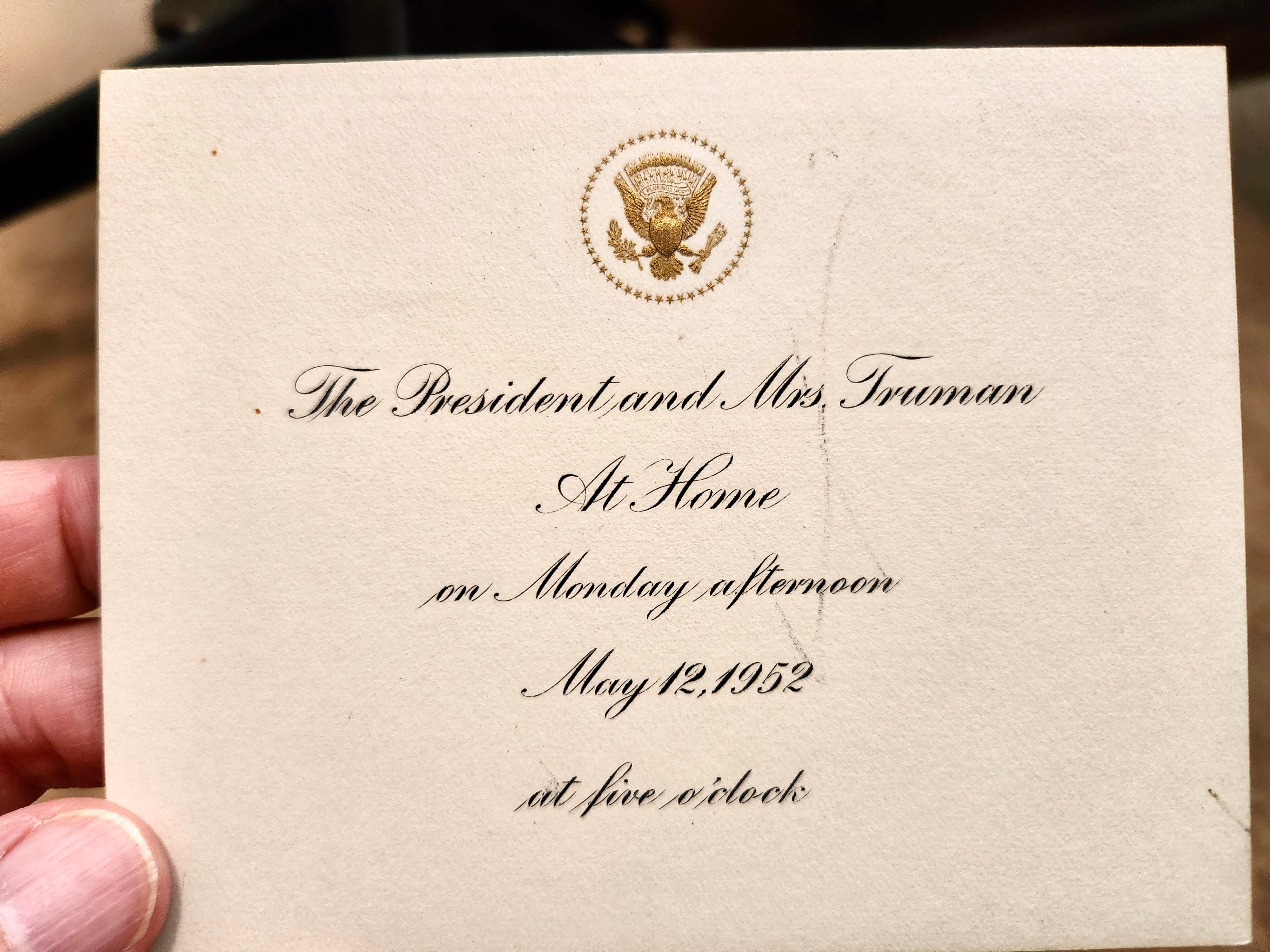
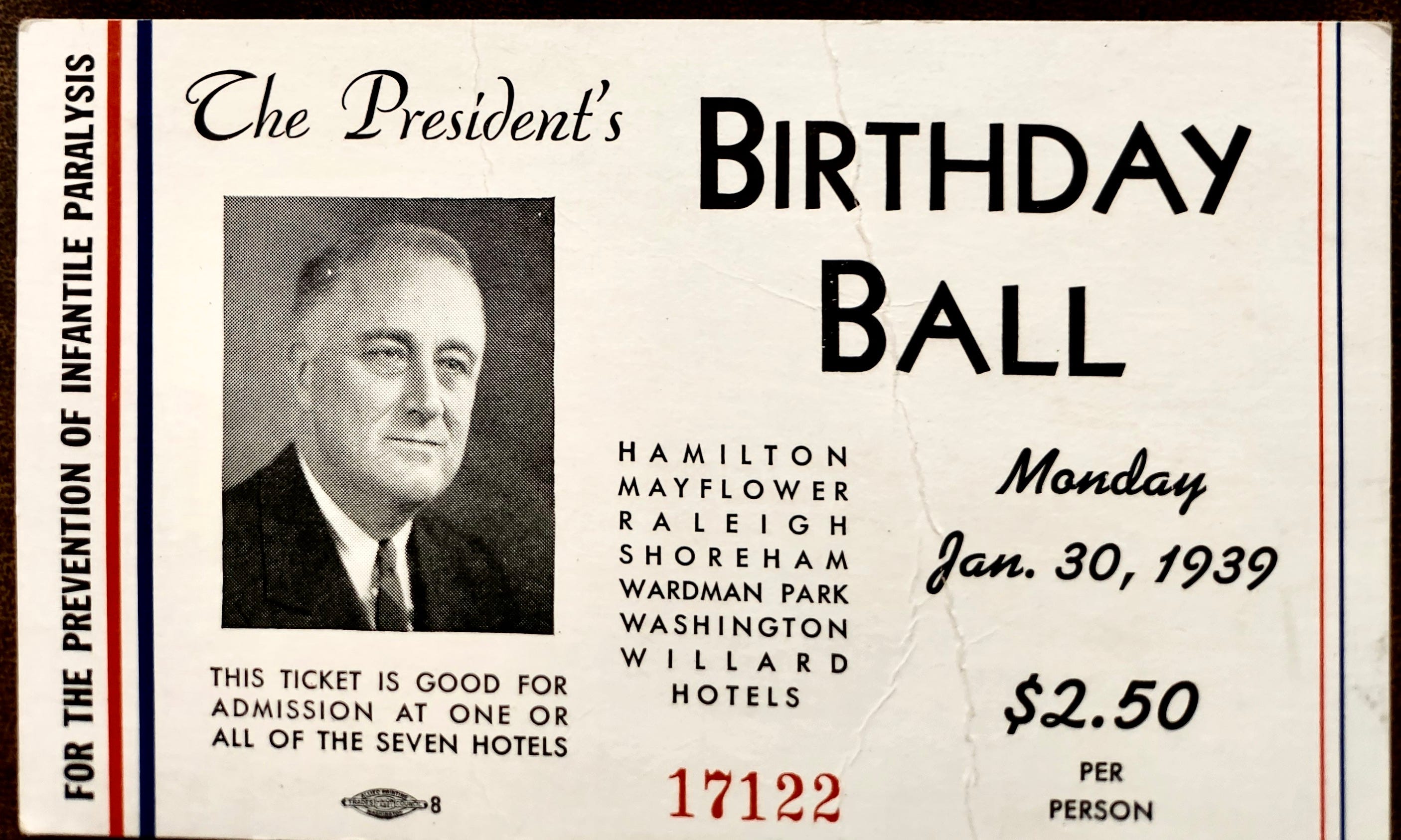
Trice’s work in the Senate also led to invitations to other events around Washington. These too required tickets or passes:
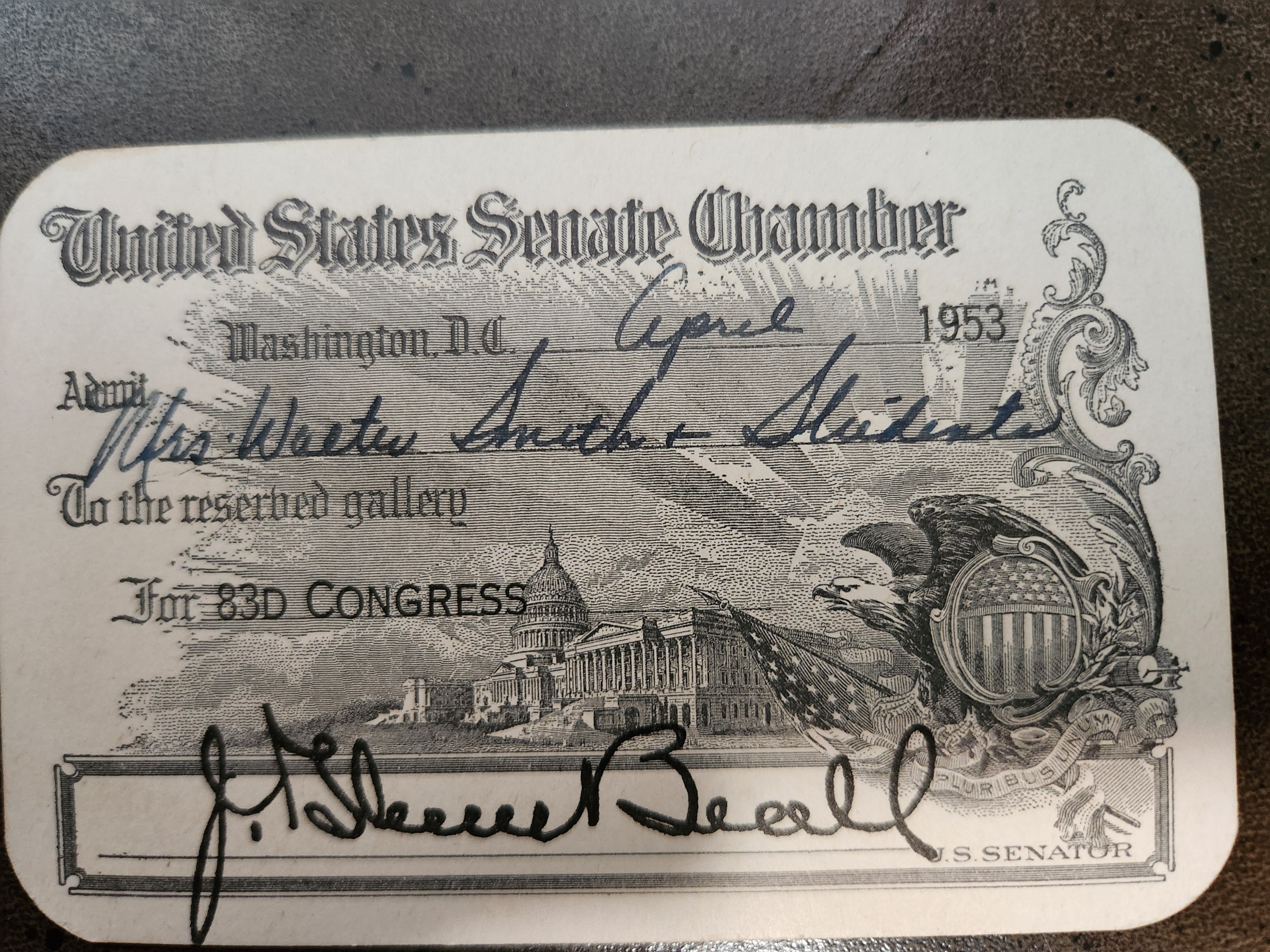
The collection also includes some head-scratchers. For example, my mother was a teacher, and here is a pass signed by Maryland Senator James G. Beall (more commonly known as J. Glenn Beall), admitting her and her students to the Senate chamber. The pass has a preprinted date of 1953, but my mother and her class didn’t take that field trip until the spring of 1968, which would have been after Beall was defeated in 1964, but before Beall’s son J. Glenn Beall Jr. won the seat in 1970:
As a history teacher myself, I have made use of some of my grandfather’s mementos in my classes. In so doing, I’m trying to follow the advice of historical anthropologist James Deetz, who wrote the following his influential 1977 book, In Small Things Forgotten:
For in the seemingly little and insignificant things that accumulate to create a lifetime, the essence of our existence is captured. We must remember these bits and pieces, and we must use them in new and imaginative ways so that a different appreciation for what life is today, and was in the past, can be achieved.
Paul here. I love all of this so much — a fascinating peek into a world that most of us will never get to experience. Big thanks to Mark Smith for sharing all of it with us.
It’s worth pointing out that we wouldn’t have learned any of this if I had run a conventional raffle with emailed entries. Insisting on snail-mailed entries cuts down on participation but sometimes pays off with special results like this one. That’s part of what makes regular mail so much fun!
Meanwhile: Mark Trice saved lots of things besides tickets and credentials, so we may follow up with a subsequent post at some point down the road — stay tuned.

Inconspicuous News Roundup
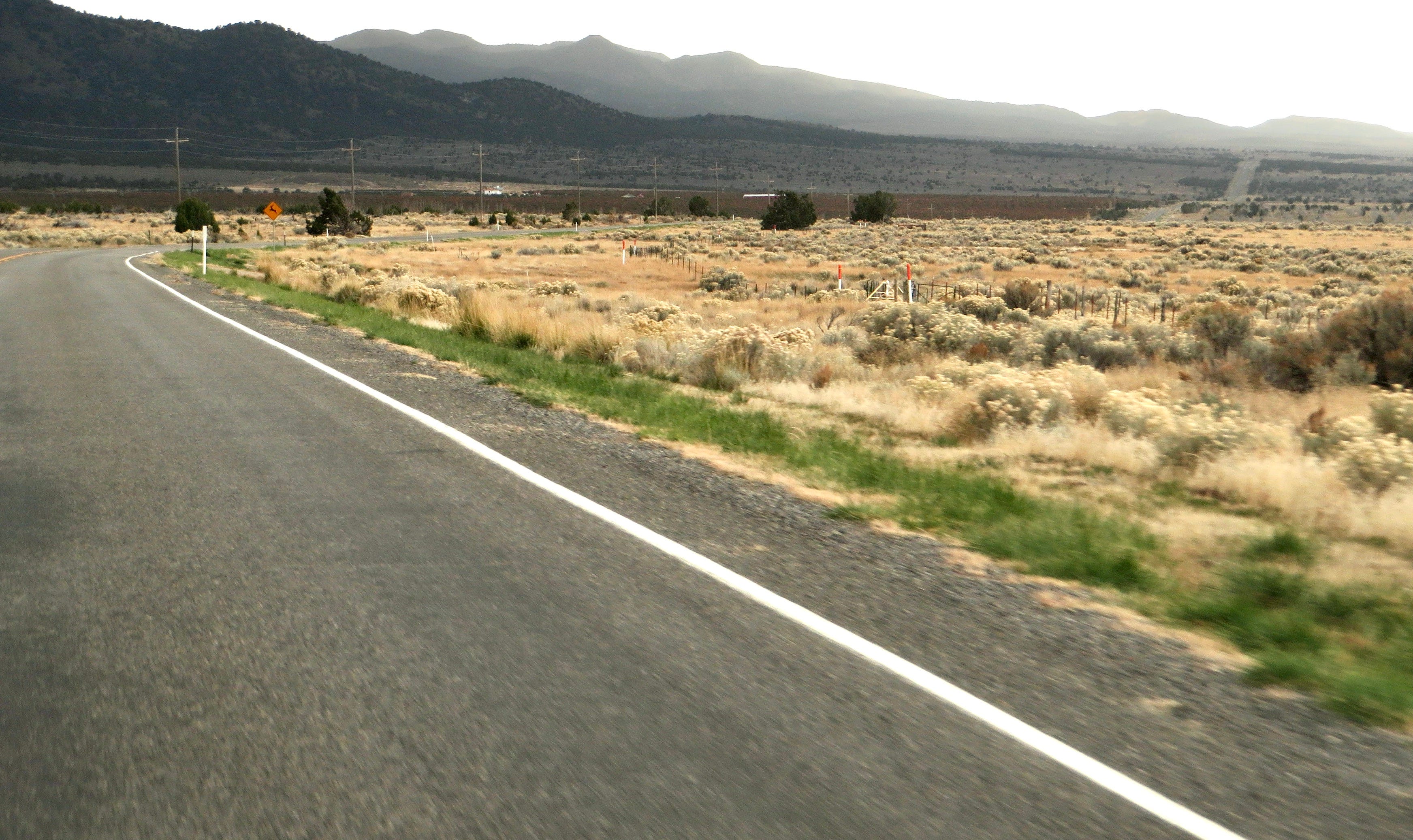
The white line on the edge of a roadway, as seen in the photo above, may seem eternal, but it wasn’t pioneered until the 1950s. Here’s a really, really good article about the guy who came up with it, and why it was such a key road-safety innovation. IC’s highest rating! (From Rich Kronenberg)
The logo for Udi’s, a brand that specializes in gluten-free baked goods, includes a mark that doubles as an apostrophe and the dot above the “i.” (From Nathan Haas)
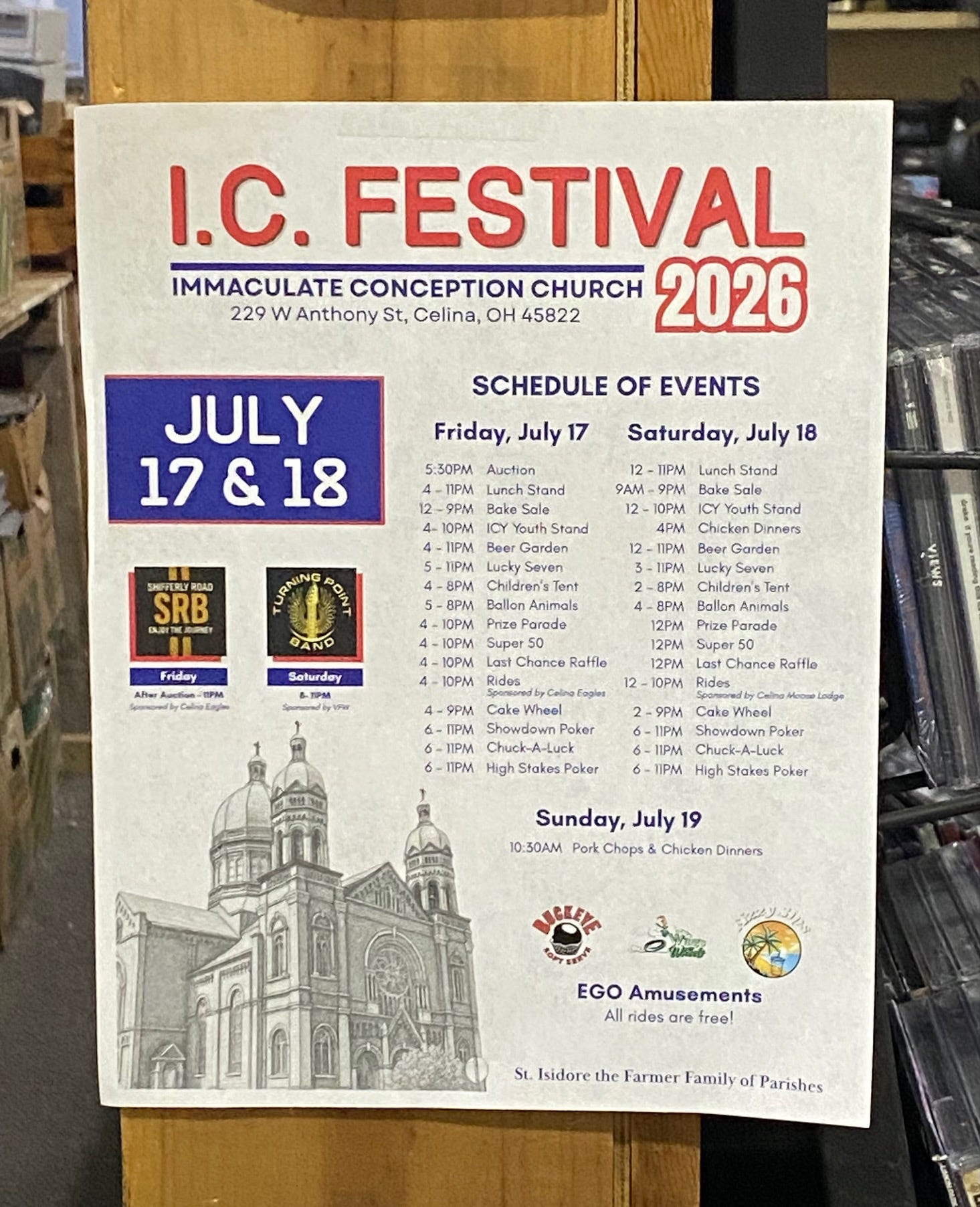
Reader David Zwiep briefly got excited when he saw a sign promoting an upcoming “I.C. Festival,” but in this case the abbreviation did not stand for “Inconspicuous Consumption”:
Paul Lukas has been obsessing over the inconspicuous for most of his life, and has been writing about those obsessions for more than 30 years. You can contact him here.
What an extraordinary and rarefied collection! Thank you Paul, Mark, and ultimately Grandpa J. for saving, appreciating, and sharing it!
A treasure trove of stories! A+ all around :)